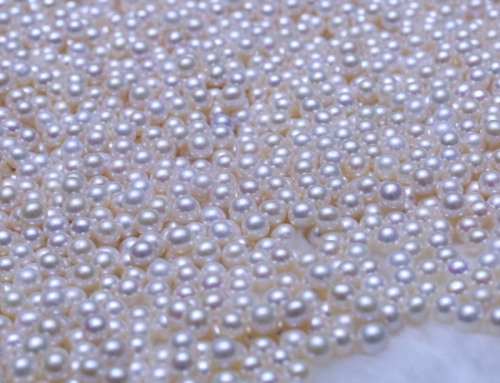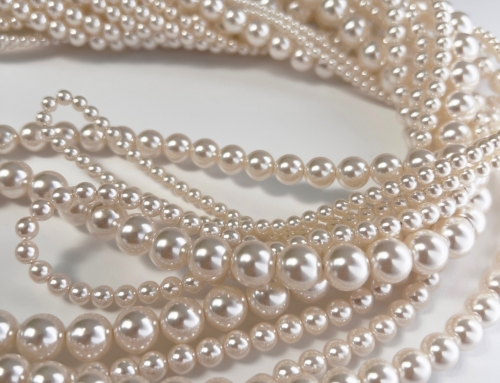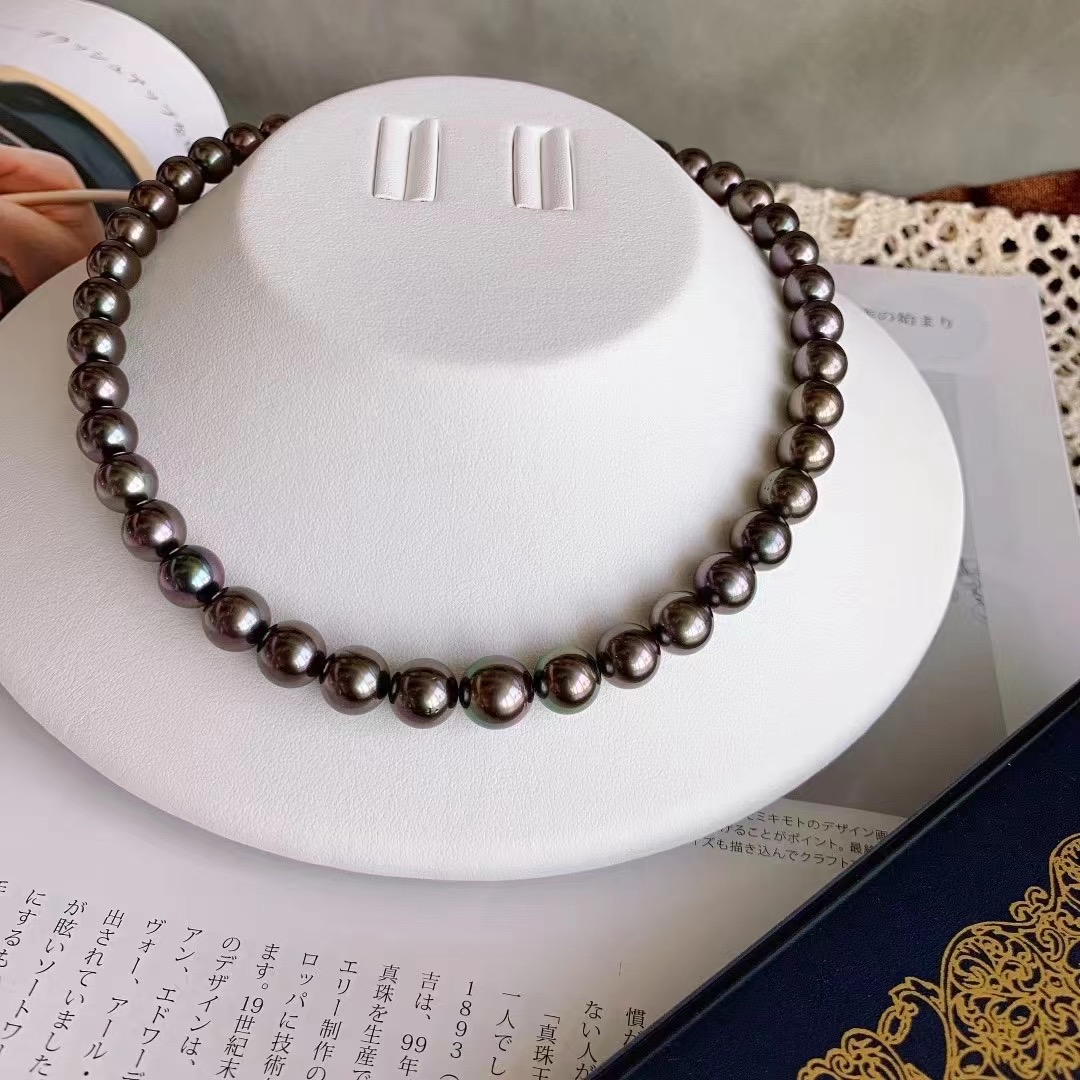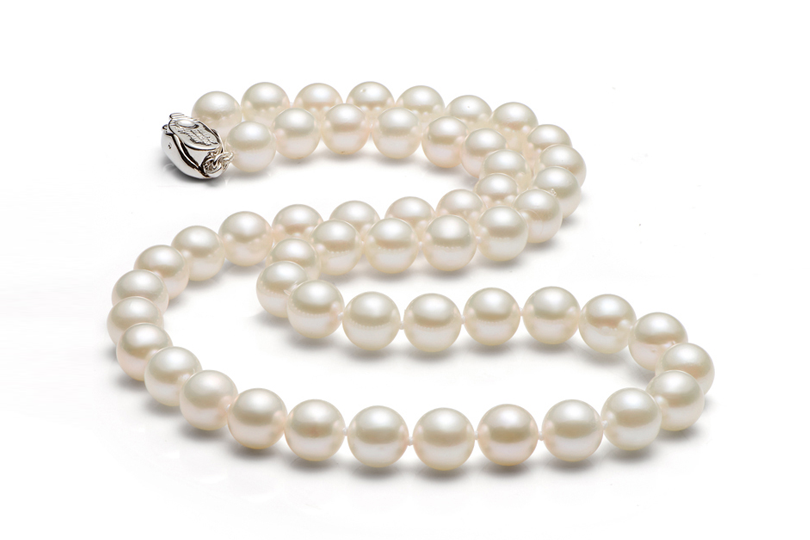
Cultured freshwater pearls have become an increasingly popular choice for jewelry enthusiasts due to their affordability, variety and unique aesthetic appeal. Unlike their saltwater counterparts, such as the famous Akoya pearls, freshwater pearls are cultured in freshwater lakes, rivers and ponds, primarily in China. One of the distinguishing features of cultured freshwater pearls is their variety of shapes, sizes and colors. They can be found in a spectrum of hues including white, pink, lavender, and even black. This wide range allows for greater flexibility in design and personalization, appealing to a wider audience with varying tastes.
In the realm of cultured pearls, a common comparison is made between freshwater pearls and Akoya pearls. Akoya pearls are known for their perfectly round shape and high luster, making them a favorite in classic and high-end jewelry. Freshwater pearls, on the other hand, often have more baroque shapes – irregular and non-spherical forms that give each piece a distinctive charm and character. Baroque cultured freshwater pearls are prized for their uniqueness; no two pearls are exactly alike. This individuality makes them an excellent choice for those seeking unique pieces of jewelry that stand out from traditional round pearl designs.
The cultivation process for freshwater pearls differs significantly from that of Akoya pearls. Freshwater oysters can produce multiple pearls at a time – sometimes as many as 50 – compared to the single pearl typically produced by saltwater oysters such as those used for Akoya pearls. This higher yield contributes to the lower cost of freshwater pearls, making them accessible to a wider range of consumers without compromising beauty or quality. In addition, advances in culture techniques have significantly improved the luster and surface quality of freshwater pearls over the years, narrowing the gap in appearance between them and their saltwater counterparts.
Another fascinating aspect of cultured freshwater pearls is their impact on the environment. Freshwater pearl farming is often considered more sustainable and environmentally friendly than other forms of pearl farming. The freshwater oysters used in the process are generally less sensitive to changes in water quality and temperature than saltwater oysters, allowing for a more stable farming environment with fewer ecological disturbances. In addition, the farming practices used often contribute to the local economy by providing jobs and supporting community development.
In summary, cultured freshwater pearls offer an attractive alternative to traditional saltwater pearls such as Akoya, with their affordability, variety and distinctive charm. Whether one is drawn to the classic elegance of round pearls or the unique appeal of baroque cultured shapes, freshwater pearls offer endless possibilities for creative and personalized jewelry designs. Their sustainable farming practices further enhance their appeal, making them not only a beautiful choice, but also an environmentally conscious one. As the market continues to evolve, cultured freshwater pearls are likely to remain a popular option for jewelers and consumers alike.