The Ultimate Guide to Understanding the Cost of a Real Pearl Necklace
Pearls have been coveted for centuries, and real pearl necklaces remain timeless pieces of jewelry that can be passed down for generations. But how much does a real pearl necklace cost? The answer to that question depends on several factors. In this guide, we will explore the different types of pearls used in necklaces, the grading and quality standards for pearls, the various styles of pearl necklaces, and their prices. We will also discuss how to care for your real pearl necklace and determine whether it is worth the investment.
Introduction to Real Pearl Necklaces
Pearls have been a symbol of elegance and sophistication for centuries. They are formed when an irritant, such as a grain of sand, enters an oyster or mollusk and the animal responds by coating the irritant with layers of nacre, a substance that gives pearls their luster and color. Natural pearls, which are formed without human intervention, are rare and valuable. Most pearls used in jewelry today are cultured pearls, which are formed with the help of humans.
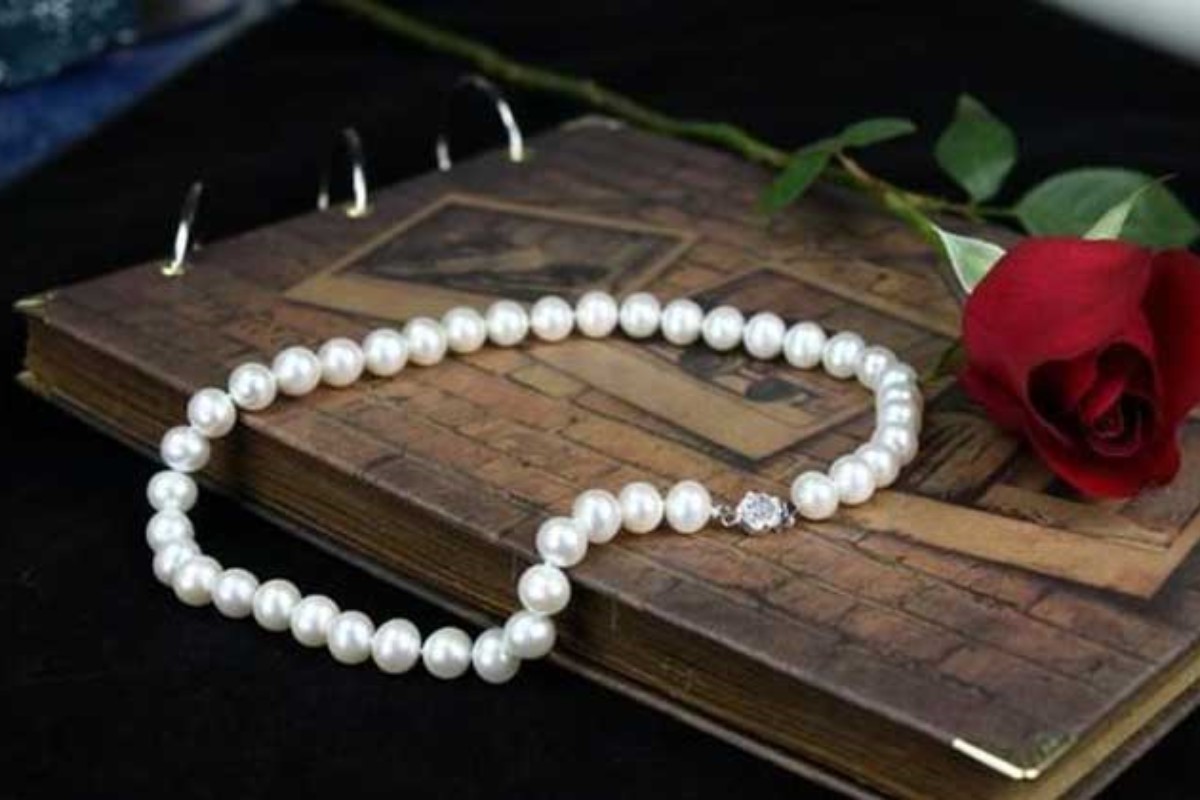
Real pearl necklaces are made by stringing together several pearls of similar size and quality. The cost of a real pearl necklace depends on several factors, including the type of pearls used, their size and quality, the style of the necklace, and the retailer selling the necklace.
Factors that Affect the Cost of a Real Pearl Necklace
The cost of a real pearl necklace is influenced by several factors. The type of pearls used, their size and quality, the style of the necklace, and the retailer selling the necklace all play a role in determining the final price.
Types of Pearls Used in Necklaces
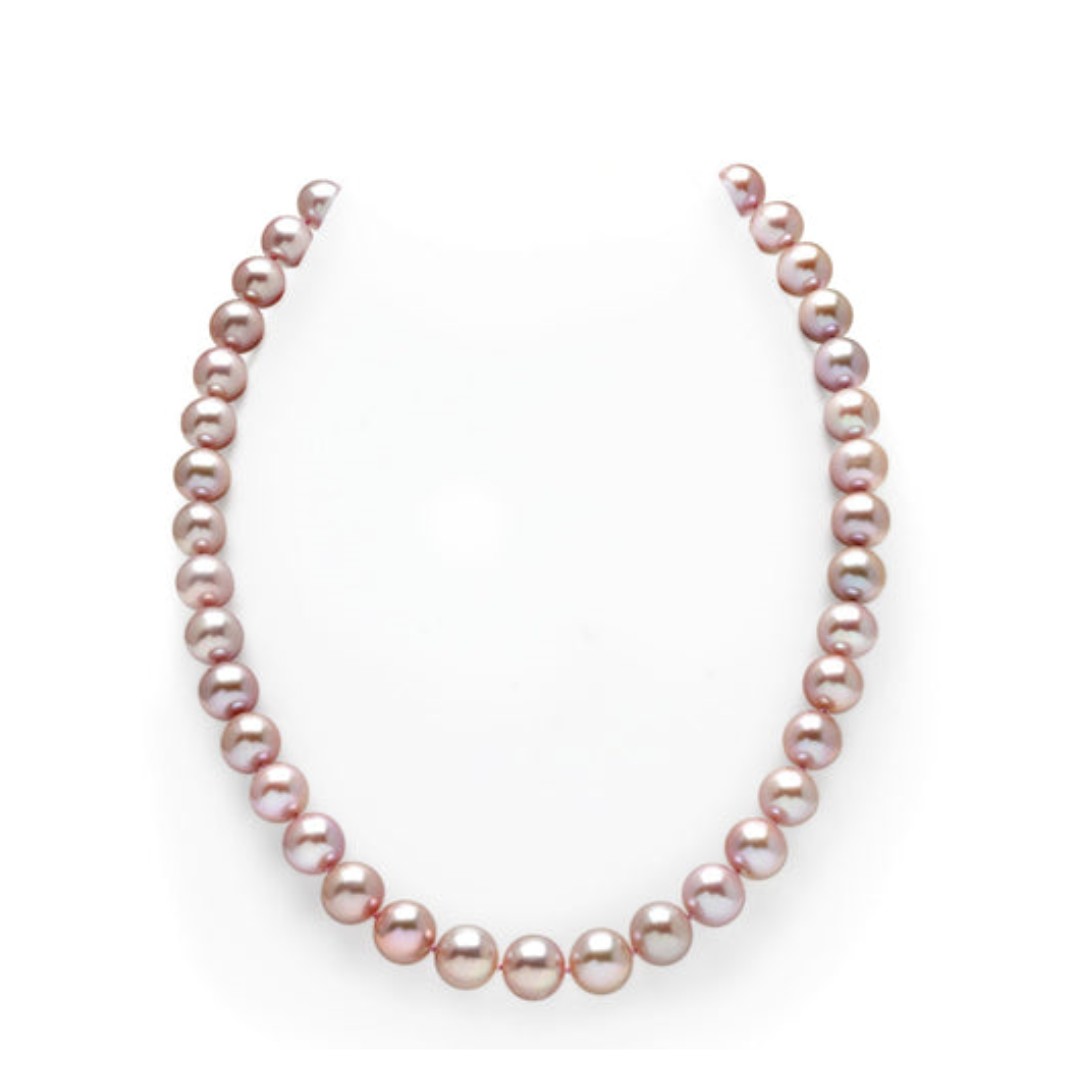
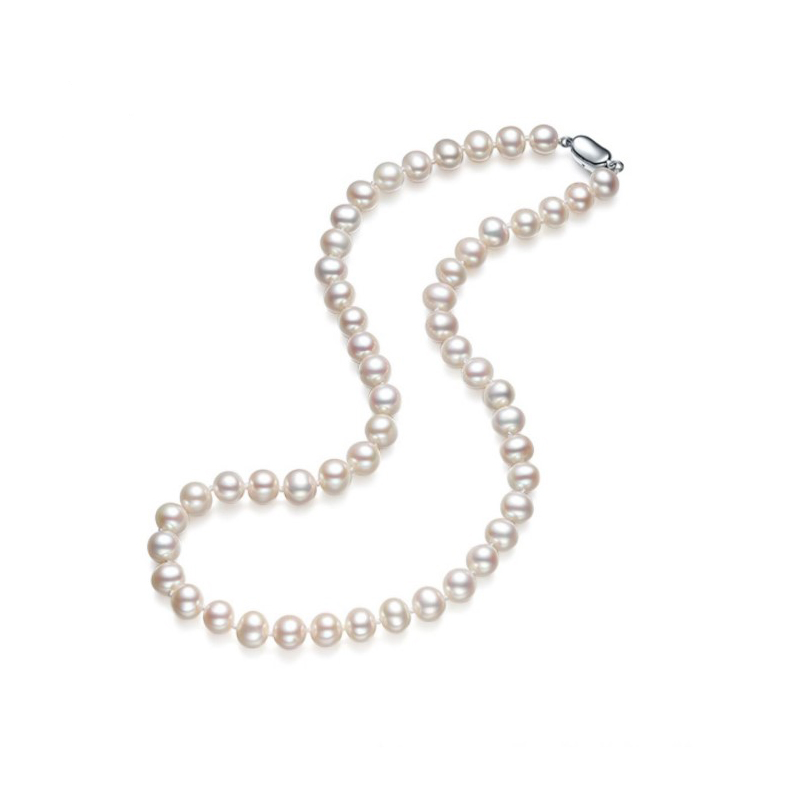
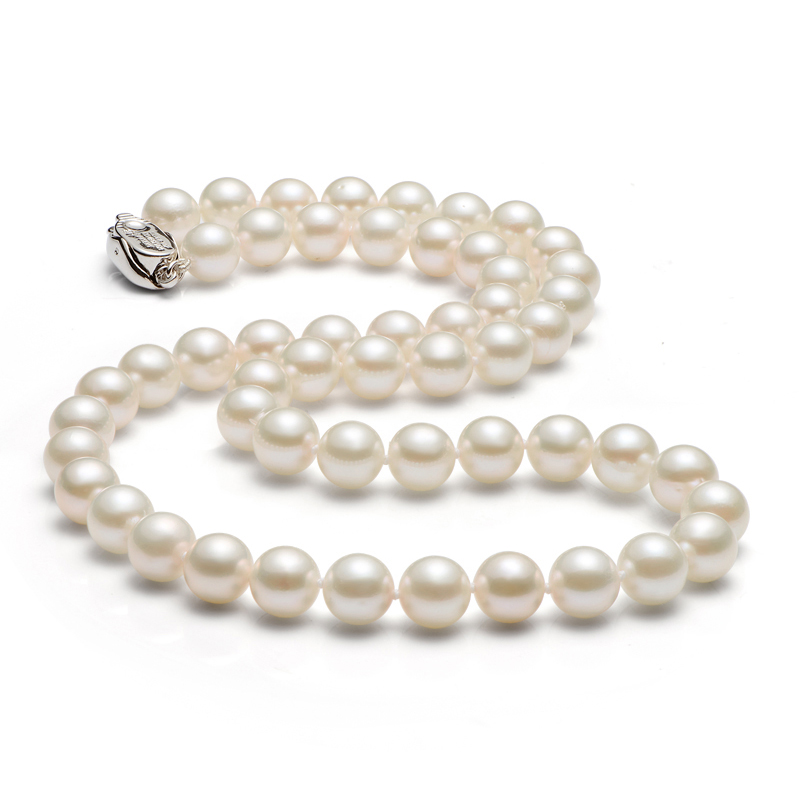
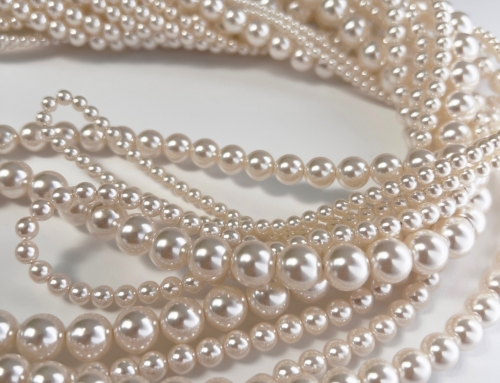
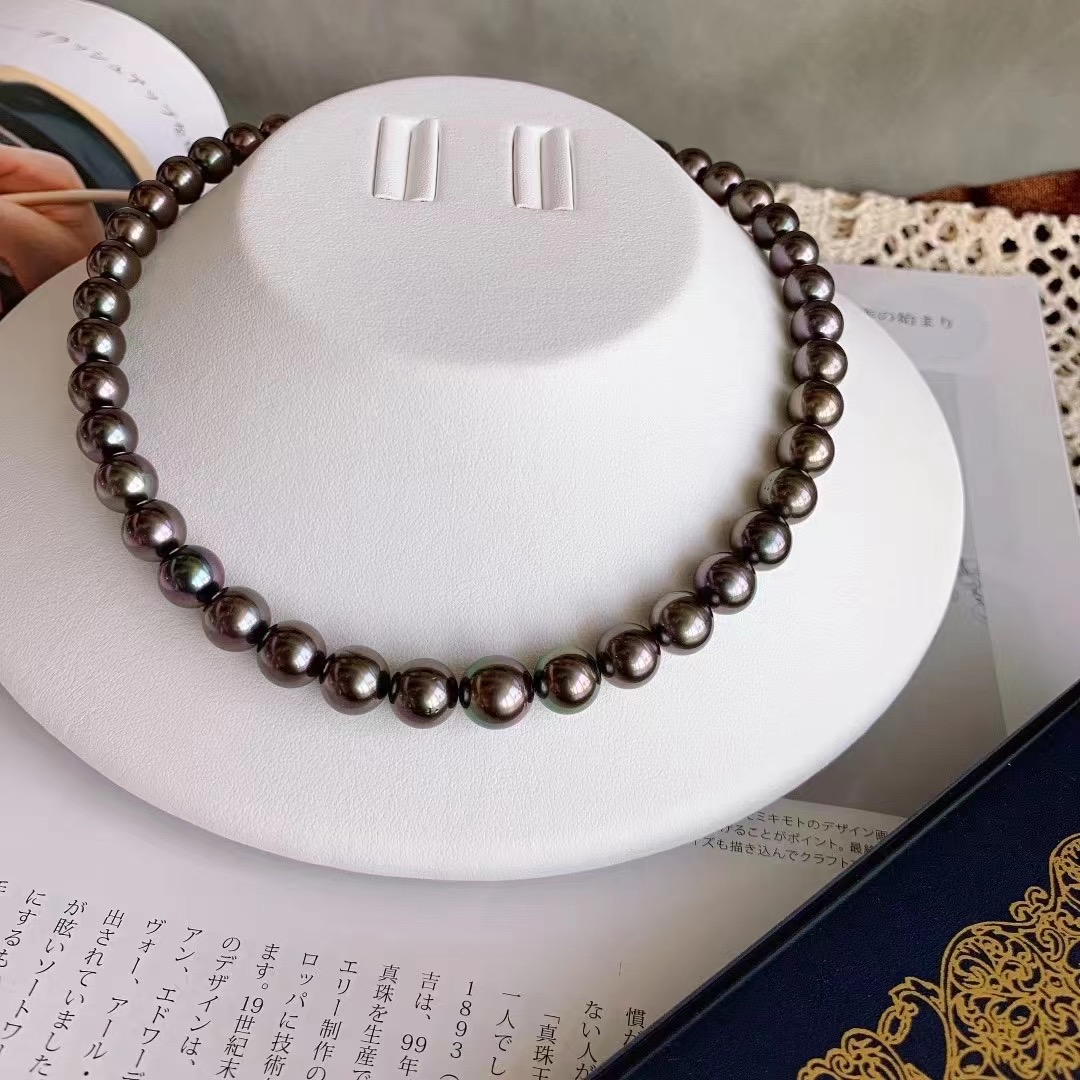
There are several types of pearls used in necklaces, including Akoya, South Sea, Tahitian, and freshwater pearls. Akoya pearls are the most common type of pearl used in necklaces and are known for their high luster and round shape. South Sea pearls are larger than Akoya pearls and are known for their white and golden colors. Tahitian pearls are famous for their dark colors, including black, gray, and green. Freshwater pearls are the most affordable type of pearl and are available in a variety of shapes and colors.
Cultured Pearls vs Natural Pearls: Which is More Expensive?
Natural pearls are rare and valuable, and therefore more expensive than cultured pearls. Natural pearls are formed without human intervention and are usually found in the wild. Cultured pearls, on the other hand, are formed with the help of humans, who insert a small bead into the oyster or mollusk to stimulate the formation of a pearl.
Grading and Quality Standards for Pearls
Pearls are graded based on their luster, surface quality, shape, size, and color. The highest quality pearls have a high luster, no visible blemishes, a round shape, a large size, and a uniform color. The lowest quality pearls have a dull luster, visible blemishes, an irregular shape, a small size, and an uneven color.
Understanding Pearl Size and its Impact on Cost
The size of a pearl is an important factor in determining its cost. Larger pearls are more valuable than smaller pearls because they are rarer and require more time to form. The size of a pearl is measured in millimeters, and the larger the pearl, the higher the cost.
Different Types of Pearl Necklace Styles and Their Prices
There are several styles of pearl necklaces, including choker, princess, matinee, opera, and rope. Choker necklaces are 14-16 inches in length and sit at the base of the neck. Princess necklaces are 18 inches in length and are the most popular style of pearl necklace. Matinee necklaces are 20-24 inches in length and are often worn with formal attire. Opera necklaces are 28-34 inches in length and can be worn as a single strand or double. Rope necklaces are over 45 inches in length and can be worn in a variety of ways. The style of the necklace, as well as the length and number of pearls used, all play a role in determining the final price.
Finding the Right Pearl Necklace for Your Budget
Real pearl necklaces can range in price from a few hundred dollars to several thousand dollars. When choosing a pearl necklace, it is important to consider your budget, as well as the factors that influence the cost, such as the type of pearls used, the size and quality of the pearls, and the style of the necklace.
How to Care for Your Real Pearl Necklace
Real pearl necklaces are delicate and require special care to maintain their luster and beauty. It is important to store them separately from other jewelry to prevent scratches and to avoid exposing them to chemicals such as perfume and hairspray. Pearls should also be cleaned regularly with a soft cloth and mild soap to remove any dirt or oils.
Conclusion: Is a Real Pearl Necklace Worth the Investment?
Real pearl necklaces are timeless pieces of jewelry that can be passed down for generations. The cost of a real pearl necklace depends on several factors, including the type of pearls used, their size and quality, the style of the necklace, and the retailer selling the necklace. When choosing a pearl necklace, it is important to consider your budget and the factors that influence the cost. With proper care, a real pearl necklace can be a worthwhile investment that brings joy and elegance for years to come.
If you are interested in purchasing a real pearl necklace, visit our website to explore our collection of high-quality pearl necklaces at affordable prices.
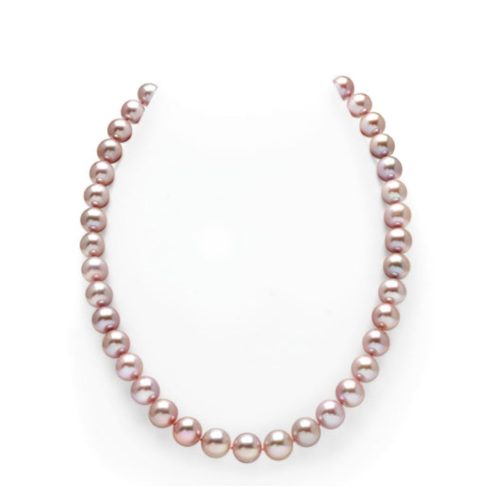
Price range: $315.00 through $976.00