1.Introduction to Pearl Engagement Rings and Their Significance
2.Understanding Inlaid Gemstones
3.The Allure of Pearls in Engagement Rings
4.Freshwater Pearls Ring vs. Saltwater Pearl Ring
5.Spotlight on Akoya PearlS
6.The Unique Beauty of Tahitian Pearls
7.South Sea Pearls: A Luxury Choice
8.The Impact of Gemstone Quality on Engagement Ring Pricing
9.Customization Options for Engagement Rings
10.Conclusion: Choosing the Perfect Engagement Ring with Inlaid Gemstones and Pearls
Introduction to Engagement Rings and Their Significance
Engagement rings hold a timeless significance, symbolizing a commitment between two people. As a testament to love and a promise of a shared future, these rings are more than just pieces of jewelry; they carry emotional weight and societal importance. The tradition of giving engagement rings dates back centuries and continues to be an enduring custom worldwide.
Choosing the perfect engagement ring involves considering various factors, including design, materials, and personal preferences. Each component of the ring, from the band to the centerpiece, contributes to its overall meaning and value. In this article, you’ll discover how inlaid gemstones and pearls enhance the allure and cost of engagement rings.
The choice of inlaid gemstones and pearls can significantly affect both the aesthetic and financial aspects of the ring. These elements can transform a simple band into a dazzling piece of art. Understanding how different gemstones and pearls impact the price and appeal of engagement rings will help you make an informed decision when selecting the perfect symbol of your love.
The meaning of engagement ring ?
An engagement ring is more than just a piece of jewelry; it holds significant meaning and symbolizes a profound commitment between two individuals. Traditionally, the engagement ring represents a promise of marriage and a lifelong partnership. The essence of this ring dates back to ancient times when it was believed to signify ownership or a binding agreement. Over the centuries, the meaning of the engagement ring has evolved, and it now embodies love, devotion, and an intention to spend one’s life with their partner.
The design and materials used in engagement rings can vary widely, but each choice carries its own connotations. For instance, diamonds have long been the gemstone of choice due to their durability and brilliance, symbolizing everlasting love. However, other gemstones like sapphires, emeralds, and even pearls have become popular choices for modern couples seeking unique expressions of their commitment. A pearl ring, in particular, can reflect elegance and purity, offering a classic yet distinctive alternative to traditional diamond rings.
The meaning behind an engagement ring is also deeply personal and can be shaped by the couple’s unique story and values. Some may choose a family heirloom to honor tradition and lineage, while others might opt for custom designs that represent shared experiences or future aspirations. The act of selecting an engagement ring is often a thoughtful process that involves considering the tastes and preferences of one’s partner, highlighting the importance of understanding and mutual respect in the relationship.
In contemporary society, the meaning of an engagement ring extends beyond its symbolic representation of love and commitment. It can also be seen as a statement of personal style and individuality. Couples today are increasingly opting for non-traditional designs that reflect their personalities and shared interests. This shift towards personalization underscores the evolving nature of relationships in the modern world, where authenticity and self-expression are highly valued.
Moreover, the significance of an engagement ring is not confined to its initial presentation. It becomes a cherished keepsake that holds memories of the proposal and serves as a constant reminder of the couple’s journey together. The ring often gains sentimental value over time, becoming a tangible symbol of the enduring bond between two people.
In conclusion, the meaning of an engagement ring transcends its physical form. It is a powerful emblem of love, commitment, and mutual respect. Whether adorned with diamonds or a lustrous pearl ring, each engagement ring tells a unique story shaped by the couple’s individual experiences and aspirations. As relationships continue to evolve, so too does the significance of this timeless token, making it an ever-relevant symbol in the tapestry of human connection.
Understanding Inlaid Gemstones
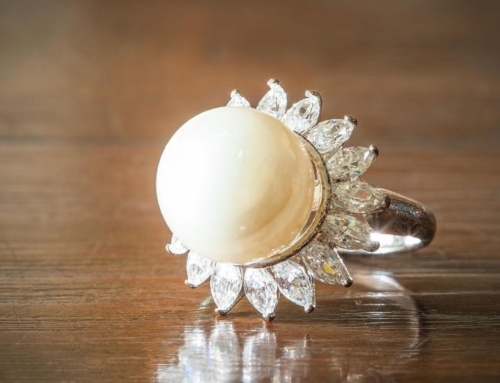
Inlaid gemstones are a popular choice for enhancing the beauty and value of engagement rings. These stones are meticulously set into the band of the ring, creating a seamless and elegant appearance. The craftsmanship involved in inlaying gemstones requires precision and expertise, ensuring that the stones are secure and beautifully displayed.
The type of gemstone you choose can dramatically influence the ring’s overall look and cost. Popular choices for inlaid gemstones include diamonds, sapphires, rubies, and emeralds. Each gemstone carries its own symbolism and charm, allowing you to personalize the ring according to your partner’s preferences and your budget.
When selecting inlaid gemstones, consider factors such as color, clarity, cut, and carat weight. These characteristics determine the quality and price of the gemstones. A higher quality gemstone will generally have a clearer appearance, more vibrant color, and a precise cut, enhancing both the aesthetics and value of your engagement ring.
The Allure of Pearls in Engagement Rings
Pearls have long been associated with elegance and sophistication, making them a captivating choice for engagement rings. Their lustrous surface and understated beauty offer a unique alternative to traditional gemstones. Pearls are versatile and can be combined with other stones or used as a standalone feature, adding a touch of timeless grace to any ring design.
Incorporating pearls into engagement rings has become increasingly popular due to their soft, romantic appeal. Unlike the sparkle of a diamond, the gentle glow of a pearl provides a subtle yet striking contrast, creating a ring that is both distinctive and memorable. You can select from various types of pearls to match your personal style and budget.
However, it is essential to understand that pearls require special care. They are more delicate than gemstones and can be easily scratched or damaged. Proper maintenance and handling will ensure that your pearl engagement ring remains a cherished piece for years to come.
Freshwater Pearls vs. Saltwater Pearls
When choosing pearls for an engagement ring, you’ll encounter two main categories: freshwater and saltwater pearls. Understanding the differences between these types can guide you in selecting the best option for your ring.
Freshwater pearls are cultivated in freshwater bodies such as rivers and lakes. They tend to be more affordable due to their higher availability and relatively simpler cultivation process. These pearls come in a variety of shapes and colors, offering versatility in design. While they may not possess the same luster as their saltwater counterparts, freshwater pearls are an excellent choice for those seeking beauty on a budget.
Saltwater pearls, on the other hand, are grown in oceans and tend to be more lustrous and rounder, making them more desirable and expensive. Types of saltwater pearls include Akoya, Tahitian, and South Sea pearls, each with its unique characteristics. The cultivation process for saltwater pearls is more intricate, contributing to their higher price point.
Ultimately, the choice between freshwater and saltwater pearls depends on your preference for luster and budget. Both types offer stunning options for creating an exquisite engagement ring that reflects your love and commitment.
Spotlight on Akoya Pearls
Akoya pearls are renowned for their classic beauty and exceptional luster, making them a popular choice for engagement rings. Cultivated primarily in Japan, these saltwater pearls are known for their perfectly round shape and high-quality sheen. Their traditional white color with subtle overtones of pink or cream adds a touch of elegance to any piece of jewelry.
The process of cultivating Akoya pearls is meticulous and time-consuming, contributing to their esteemed status in the jewelry world. Each pearl is carefully nurtured and harvested, ensuring that only the finest specimens are selected for use in jewelry. This dedication to quality is reflected in the price of Akoya pearls, which are often more expensive than freshwater varieties.
Akoya pearls are ideal for those seeking a timeless and sophisticated look in their engagement ring. Their refined appearance and classic appeal make them a cherished choice for couples wishing to commemorate their love with a touch of luxury. By selecting Akoya pearls, you invest in a piece of jewelry that embodies elegance and tradition.
The Unique Beauty of Tahitian Pearls
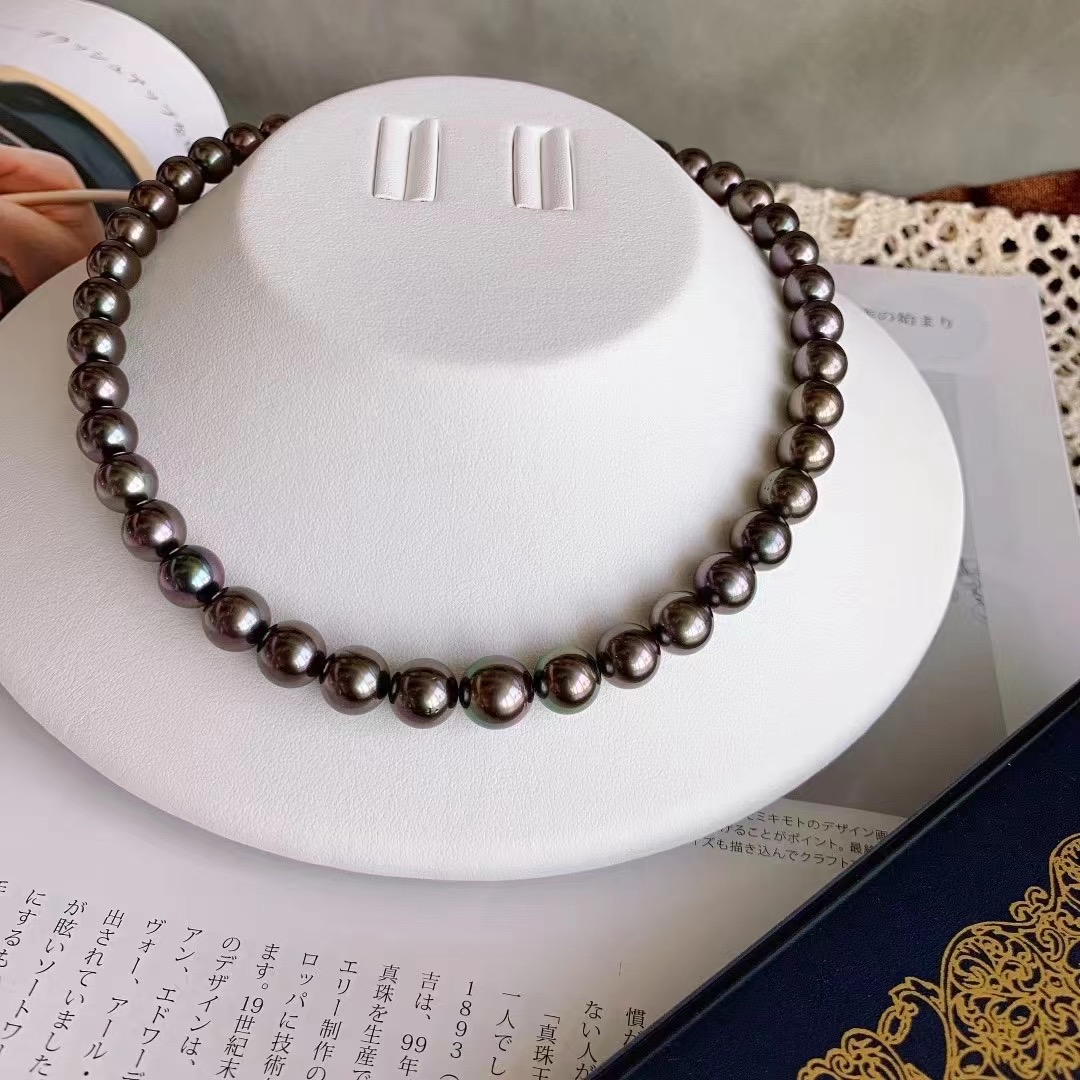
Tahitian pearls, often referred to as “black pearls,” are celebrated for their exotic and mysterious beauty. Originating from the warm waters of French Polynesia, these pearls are unique in their dark hues, ranging from deep blacks to greens, blues, and purples. Their rich, iridescent colors make them a striking choice for those seeking an unconventional yet stunning engagement ring.
Unlike the classic white pearls, Tahitian pearls stand out for their bold and vibrant appearance. They are perfect for individuals who appreciate a touch of drama and individuality in their jewelry. The size of Tahitian pearls also varies, with larger pearls generally commanding a higher price due to their rarity.
When incorporated into engagement rings, Tahitian pearls create a captivating focal point that draws attention and admiration. Their unique colors and lustrous finish make them a symbol of rarity and exotic allure. Choosing Tahitian pearls for your engagement ring ensures a distinctive piece that reflects your partner’s unique personality and your shared journey.
Colors of Tahitian Pearl
Tahitian pearls are renowned for their stunning array of colors, making them some of the most sought-after gems in the world of fine jewelry. These pearls, primarily cultivated in the pristine waters of French Polynesia, exhibit a unique spectrum of hues that range from deep, rich tones to lighter, more ethereal shades. One of the most captivating colors is the peacock green, a mesmerizing blend that reflects varying shades of green, blue, and gold. This complex color is reminiscent of the iridescent plumage of a peacock, making it highly desirable among collectors and connoisseurs alike.
Another striking color found in Tahitian pearls is red. While true red is exceedingly rare in pearls, Tahitian pearls can exhibit overtones that give them a reddish hue, adding to their exotic appeal. These reddish overtones can vary from soft pinkish tones to deeper burgundy shades, which enhance the pearl’s allure and uniqueness. The presence of the red overtone can significantly increase the value of these pearls, as it adds an element of rarity and exclusivity.
Green is another prominent color in Tahitian pearls, often seen in various shades from light olive to deep forest green. This color is highly prized for its natural beauty and versatility. Green Tahitian pearls can be paired with a wide range of metals and gemstones, making them a popular choice for designers looking to create distinctive and elegant pieces. The green hues in these pearls are often attributed to the specific environmental conditions and the unique types of oysters in which they are formed.
Silver gray Tahitian pearls are also highly sought after for their sophisticated and timeless appeal. These pearls exude a sleek and modern look, making them ideal for contemporary jewelry designs. The silver gray color can range from light silvery tones to darker charcoal shades, each offering a different level of brilliance and depth. Silver gray pearls are particularly favored for their ability to complement both classic and modern styles, making them versatile additions to any jewelry collection.
In summary, the colors of Tahitian pearls—ranging from peacock green and red to green and silver gray—are a testament to the natural beauty and diversity found within these extraordinary gems. Each color tells a unique story and offers different aesthetic possibilities, making Tahitian pearls an enduring symbol of elegance and luxury. Whether used in high-end jewelry or statement pieces, these pearls continue to captivate with their enchanting colors and remarkable luster.
South Sea Pearls: A Luxury Choice
South Sea pearls are considered the epitome of luxury in the world of pearls. Cultivated in the warm waters of Australia, Indonesia, and the Philippines, these pearls are celebrated for their size, quality, and radiant luster. Their natural colors range from white to golden, offering a sophisticated palette for engagement ring designs.
The cultivation of South Sea pearls is an intricate and lengthy process, contributing to their status as some of the most valuable pearls available. The pearls’ large size and thick nacre give them a luxurious appearance that is both opulent and refined. South Sea pearls are often associated with wealth and distinction, making them a prestigious choice for engagement rings.
If you’re seeking a statement piece that exudes elegance and grandeur, South Sea pearls are an excellent option. Their unparalleled beauty and exclusivity make them a fitting symbol of enduring love and commitment. Investing in a South Sea pearl engagement ring ensures a timeless piece that will be cherished for generations.
Colors of South Sea Pearls
South Sea pearls are renowned for their exquisite beauty and remarkable size, making them some of the most sought-after pearls in the world. These pearls are primarily cultivated in the waters surrounding Australia, Indonesia, and the Philippines. One of the most striking features of South Sea pearls is their unique and varied color palette, which includes shades such as gold and white. The color of a South Sea pearl is greatly influenced by the type of oyster in which it is grown, as well as the specific environmental conditions of the region.
Golden South Sea pearls are particularly prized for their deep, rich hues that range from light champagne to a vibrant, almost metallic gold. These pearls are typically harvested from the gold-lipped Pinctada maxima oysters found predominantly in the warm waters of the Philippines and Indonesia. The luster of these golden pearls often has a mesmerizing, almost glowing quality, making them highly desirable for use in luxury jewelry pieces. The rarity and natural beauty of golden South Sea pearls contribute significantly to their value, making them a symbol of sophistication and elegance.
On the other hand, white South Sea pearls are equally coveted for their classic and timeless appeal. These pearls are usually produced by the silver-lipped Pinctada maxima oysters, which are commonly found in the cooler waters off the coast of Australia. White South Sea pearls can exhibit a range of overtones, from silvery-white to creamy ivory, and their nacre tends to be exceptionally thick, contributing to their impressive sheen and durability. The subtle variations in color and overtone make each white South Sea pearl unique, adding to their charm and desirability among collectors and connoisseurs.
The cultivation process for both gold and white South Sea pearls is meticulous and time-consuming, often taking several years from the initial seeding to harvest. This careful cultivation ensures that each pearl develops its characteristic luster and size, with many reaching diameters of up to 20 millimeters or more. The combination of size, color, and luster is what sets South Sea pearls apart from other types of cultured pearls, such as Akoya or freshwater pearls.
In addition to their aesthetic qualities, South Sea pearls also carry cultural significance in many regions where they are farmed. For centuries, these pearls have been revered as symbols of wealth, purity, and status. Today, they continue to be a favorite choice for high-end jewelers who seek to create pieces that exude luxury and refinement. Whether set in a simple pendant or an elaborate necklace, gold and white South Sea pearls have an undeniable allure that transcends trends and fashions.
In conclusion, the colors of South Sea pearls—gold and white—are central to their allure and value. Each hue offers its own unique beauty and charm, making these pearls a true treasure of the sea. Their combination of natural beauty, cultural significance, and luxurious appeal ensures that South Sea pearls will remain cherished by pearl lovers around the world for generations to come.
The Impact of Gemstone Quality on Engagement Ring Pricing
The quality of inlaid gemstones and pearls plays a crucial role in determining the cost of an engagement ring. Several factors, including clarity, cut, color, and carat weight, influence the price and appearance of the gemstones. Understanding these aspects will help you make an informed decision when selecting the perfect ring.
- Clarity: Refers to the presence of inclusions or blemishes in the gemstone. Higher clarity stones are more valuable and visually appealing.
- Cut: The precision with which a gemstone is shaped. A well-cut stone will reflect light beautifully, enhancing its brilliance.
- Color: The hue and saturation of the gemstone. Rich, vibrant colors are generally more desirable and costly.
- Carat Weight: The size of the gemstone, with larger stones typically being more expensive.
Choosing high-quality gemstones and pearls will elevate the aesthetic and financial value of your engagement ring. However, it’s important to balance quality with your budget and personal preferences. By prioritizing the aspects most meaningful to you, you can create a ring that perfectly represents your love story.
Customization Options for Engagement Rings
Customization offers a unique opportunity to create an engagement ring that is truly personal and reflective of your relationship. From selecting the type and arrangement of inlaid gemstones and pearls to choosing the metal for the band, customization allows for endless possibilities.
When customizing an engagement ring, consider the following options:
- Gemstone Selection: Choose gemstones and pearls that hold special significance for you and your partner.
- Band Design: Select from different metals such as gold, platinum, or white gold to complement the gemstones.
- Engraving: Add a personal message or meaningful date to the band for an intimate touch.
- Setting Style: Opt for a setting that enhances the overall design and securely holds the gemstones and pearls.
Engagement ring customization enables you to craft a one-of-a-kind piece that embodies your love and commitment. By working with a skilled jeweler, you can bring your vision to life and create a timeless symbol of your journey together.
Conclusion: Choosing the Perfect Engagement Ring with Inlaid Gemstones and Pearls
Selecting the perfect engagement ring is a significant decision that requires careful consideration of various elements such as inlaid gemstones and pearls. These components not only enhance the visual appeal of the ring but also add to its sentimental and financial value. By understanding the different types of gemstones and pearls available, you can make an informed choice that aligns with your personal style and budget.
Whether you opt for the classic elegance of Akoya pearls, the exotic allure of Tahitian pearls, or the luxurious grandeur of South Sea pearls, your engagement ring will be a cherished symbol of your love and commitment. Customizing your ring further ensures that it is a unique reflection of your relationship, making it a treasured heirloom for generations to come.
Don’t hesitate to explore the possibilities and seek guidance from professional jewelers who can assist you in crafting the perfect engagement ring. Your journey to finding the ideal symbol of love is an exciting and meaningful experience, and the right ring will be a lasting testament to your shared future.
Ready to create the engagement ring of your dreams? Consult with our expert jewelers today to explore the finest options in inlaid gemstones and pearls. Let us guide you in crafting a timeless piece that perfectly represents your love and commitment. Contact us now to begin your journey to the perfect engagement ring.
Related reading: