Learn What Are Akoya Pearls
The word Akoya comes from the Japanese homophony of the name of mother-of-pearl, which sounds like “Akuoya”
Why is it necessary to clarify the etymology here?This helps correct a common misconception that Akoya pearls are not synonymous with pearl grades, but just one of the varieties of seawater nucleated pearls。
There are thousands of precious stones in the world. However, of all gemstones, only pearls are conceived by living things.A pearl aesthetics expert once said: “Women love pearls. In addition to the smooth and round beauty of the pearl itself, they will be subconsciously moved by the purity, vitality, softness, subtlety, and restraint that symbolize the inner beauty of women. , to generate yearning and resonance.”Today, let’s talk about the Akoya pearls that are popular all over the world.
1. The origin of the word Akoya

The word “Akoya” is derived from the Japanese language and is commonly used in the pearl industry. The Akoya pearl is a type of saltwater pearl that is highly valued for its luster, roundness, and size.
The origin of the word Akoya can be traced back to Japan, where it is believed to have originated from two Japanese words, “Aka” meaning red, and “Gai” meaning shellfish. The Akoya pearl oyster has a reddish-colored shell, and hence the name “Akoya” was given to it.
Akoya pearls are often referred to as “classic pearls,” as they were the first pearls to be cultured on a large scale. The cultivation of Akoya pearls began in the early 1900s in Japan, where Kokichi Mikimoto developed a method of culturing pearls by inserting a small bead into the oyster’s mantle tissue. The process resulted in the formation of a pearl sac, which then secreted layers of nacre around the bead, creating a pearl.
Today, Akoya pearls are primarily produced in Japan, China, and Vietnam. These pearls are known for their high quality and are widely used in jewelry making. Akoya pearls come in a range of colors, including white, cream, and pink. They are also available in different sizes, with larger pearls being more rare and valuable.
In conclusion, the origin of the word Akoya can be traced back to Japan, where it was first used to refer to the reddish-colored shell of the Akoya pearl oyster. Today, Akoya pearls are highly valued for their beauty and quality and are widely used in jewelry making. The cultivation of Akoya pearls played a significant role in the development of the pearl industry and helped establish Japan as a major player in the global market.
2. Origin, size, and color of Akoya
With the invention of modern artificial cultured pearl technology, Japan is also a world-renowned pearl-producing area
The main breeding areas of Akoya pearls are concentrated in Mie and Ehime prefectures in Japan. The mother oysters are small and slow-growing mussel shells.
The size of the mother oyster greatly affects the size of the pearls it produces. Due to the small size and weak carrying capacity of the mussel shell, only one Akoya pearl can be bred in a mother oyster.
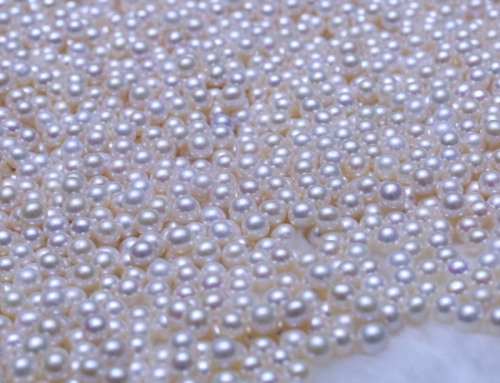
Therefore, the common diameter of Akoya pearls is between 4.5-8mm, and the difference of 0.5mm means that they belong to different price ranges. The number of Akoya above 9mm is very small, and the price is relatively high. When it reaches above 9.5mm, its value will explode immediately.
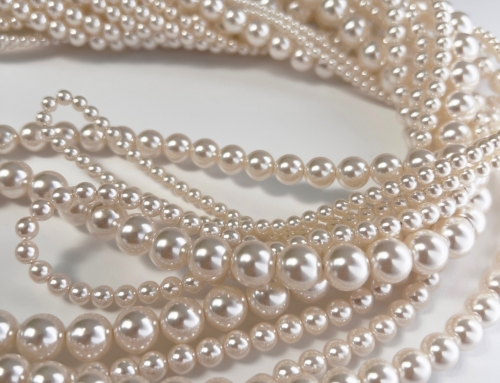
Although Akoya, as a small-sized representative of seawater pearls, is not as large as Tahitian black pearls, South Sea golden pearls, and South Sea white pearls, due to Japan’s unique natural geographical environment and the influence of seawater temperature differences, Akoya has a layer of high-quality pearls on its surface. Calcium crystals, so the luster and iridescence are excellent. It is known as “the aurora in the night”, and it is also commonly known as the “little light bulb” by many jewelry sellers.
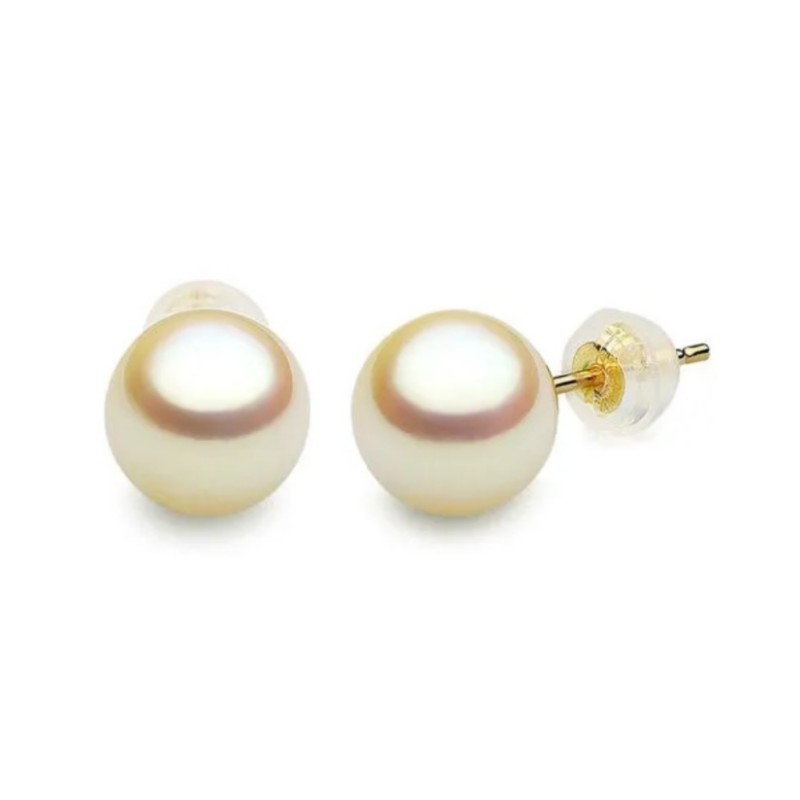
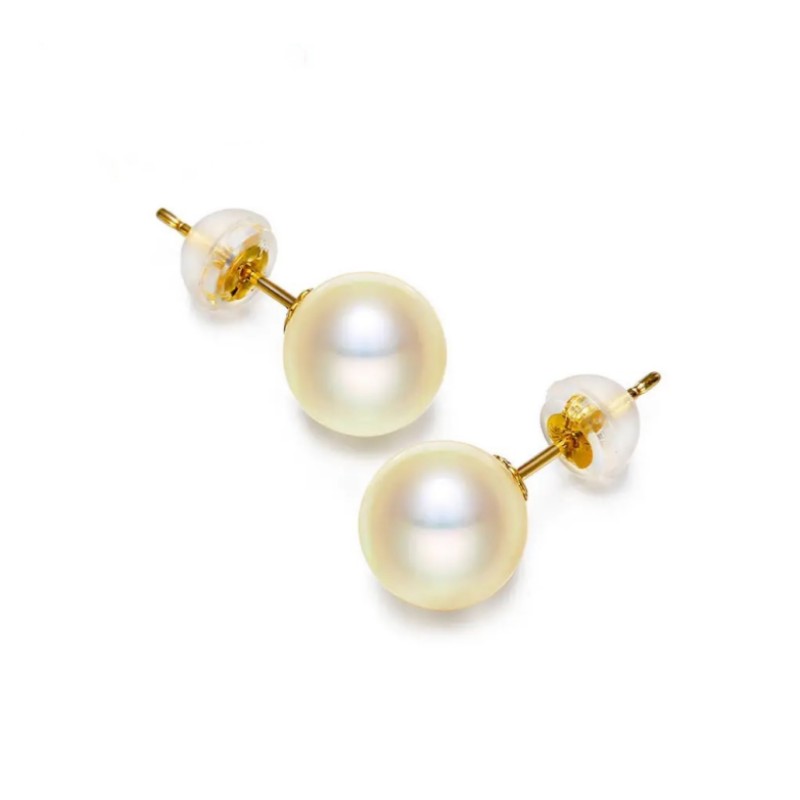
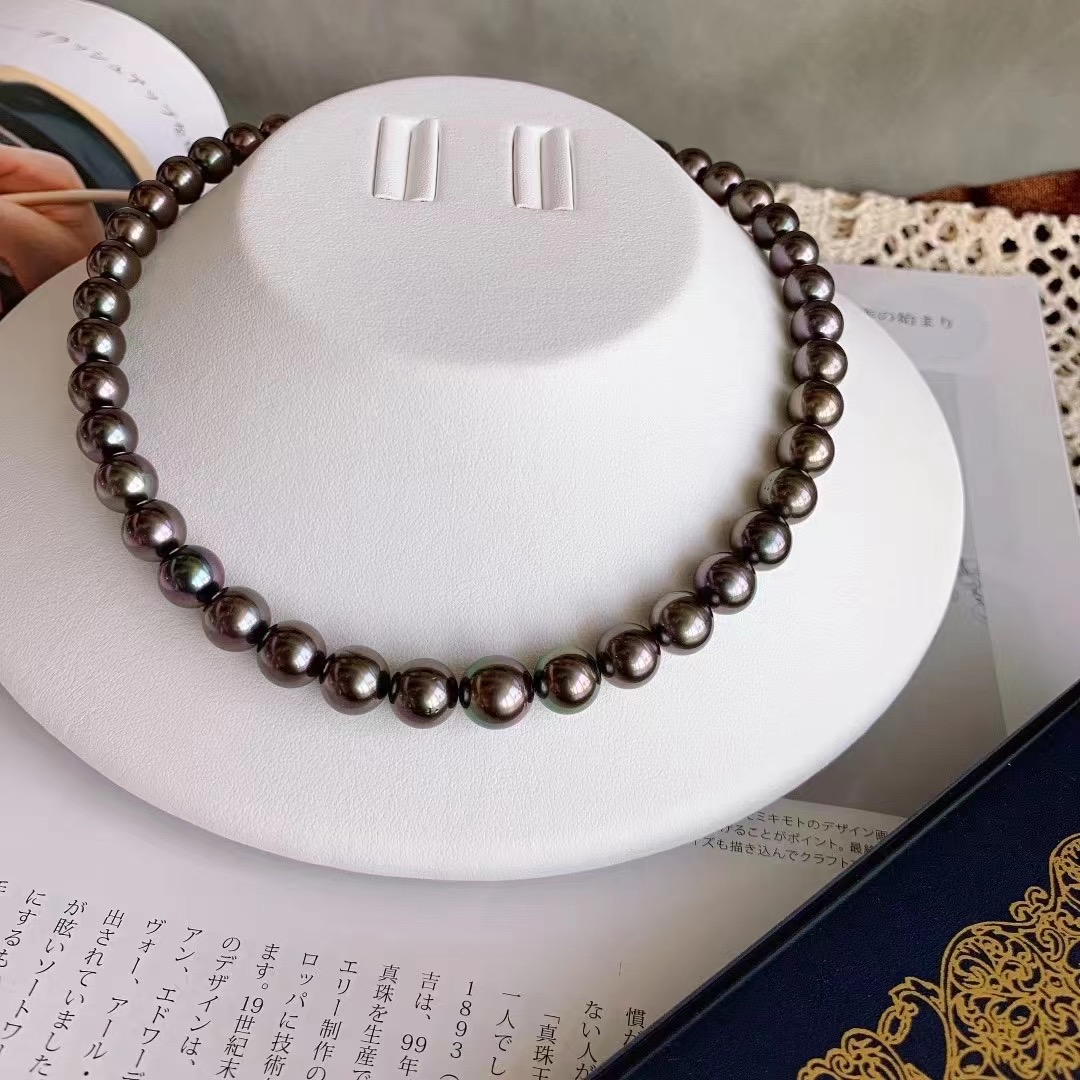
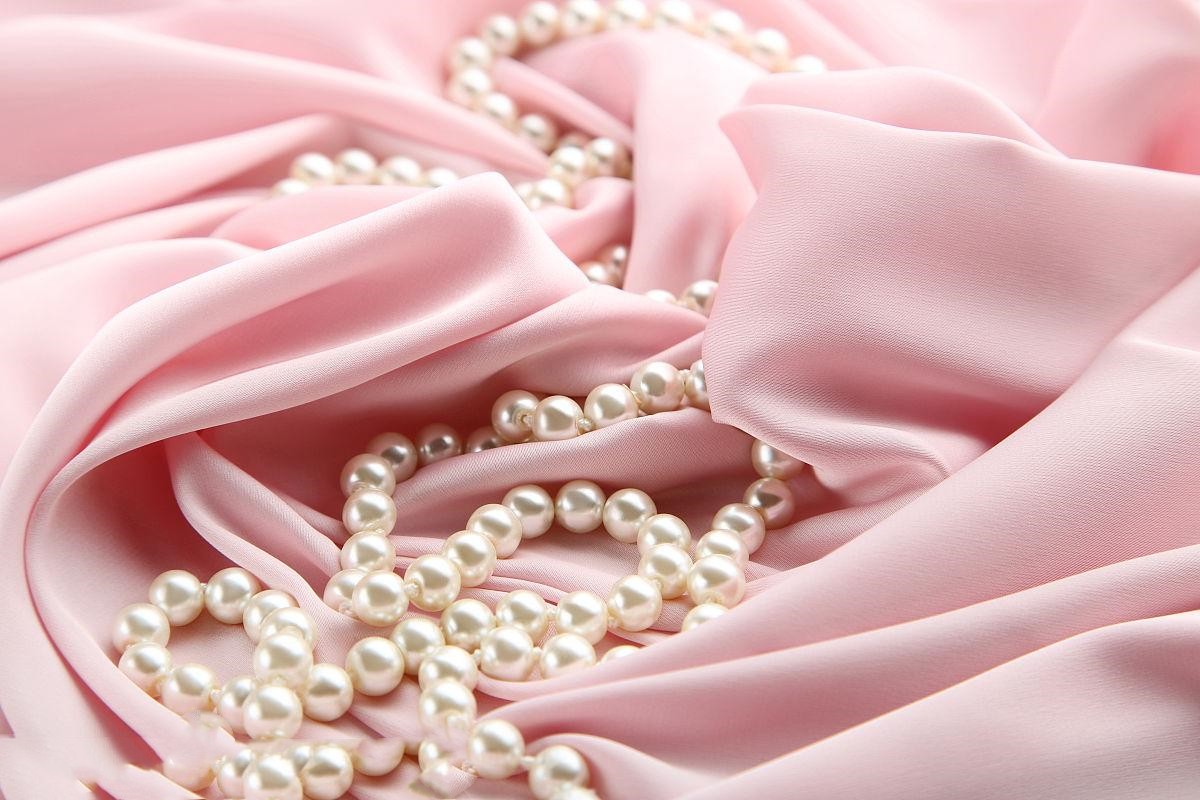
Akoya’s color system is also very rich. Although the white color is more common, there are also various accompanying colors on the white body color, among which pink is the most precious (each pearl has a different accompanying color, white, blue, yellow, gray, complementing each other) silver blue Color, feather yellow, gold, etc. also have their unique charm
In addition, thanks to the culture method of artificially implanting spherical bead cores, although the output of Akoya is small, about 70-80% of the total production can reach the round or near-round level, which is in sharp contrast to freshwater pearls Compared.
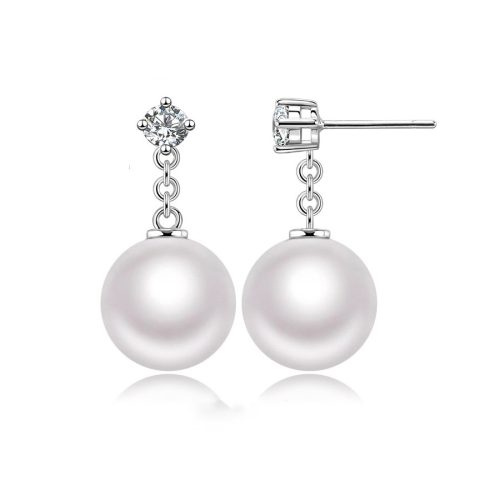
Original price was: $2,599.00.$1,999.00Current price is: $1,999.00.
23% Off