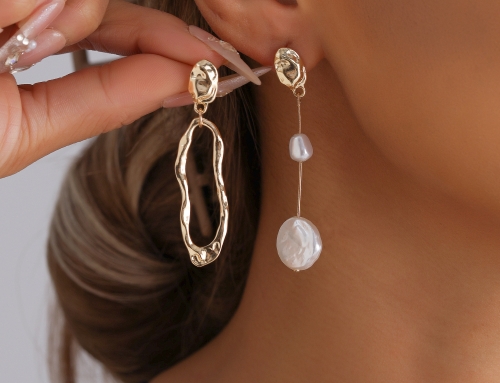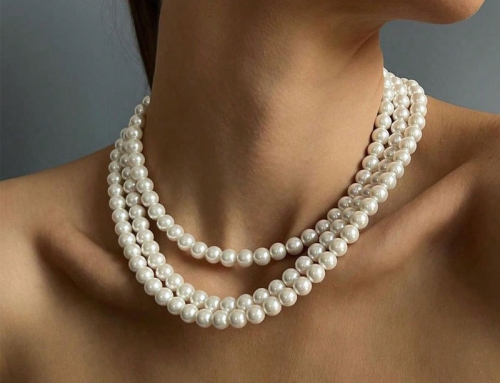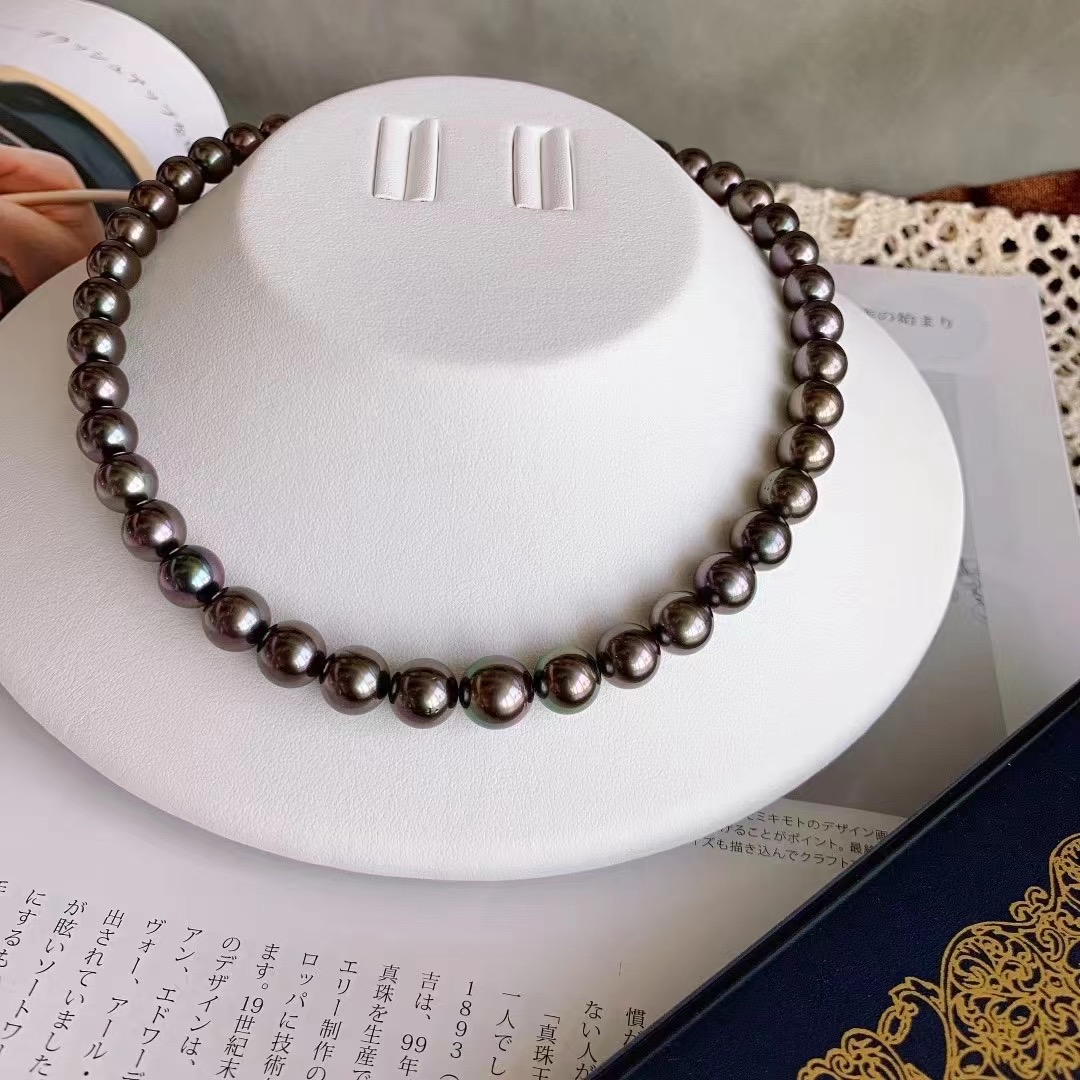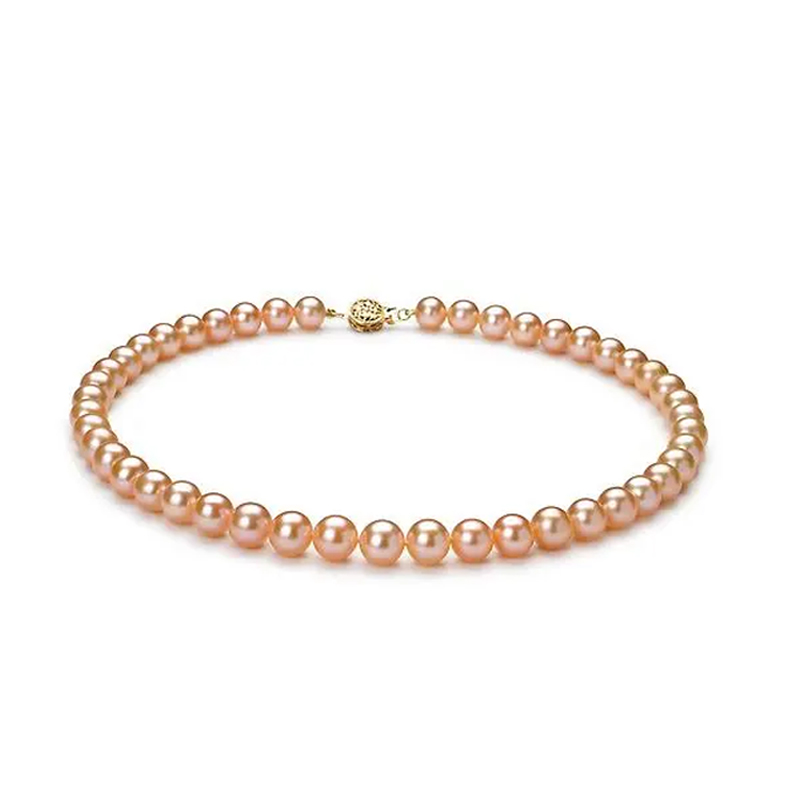
Baroque cultured freshwater pearls are celebrated for their unique and irregular shapes that set them apart from traditional spherical pearls. Cultured in freshwater oysters, these pearls are known for their distinctive appearance, which can range from asymmetrical and abstract to elongated and curved. The term “baroque” itself refers to anything that is irregularly shaped or unconventional, making these pearls highly sought after by jewelry designers and consumers seeking individuality and character in their pieces. The appeal of Baroque cultured freshwater pearls lies in their ability to capture light in unpredictable ways due to their irregular surfaces, creating a captivating visual effect that enhances their appeal.
The value of baroque cultured freshwater pearls is influenced by a variety of factors, including size, luster, surface quality, color and shape. Unlike perfectly round pearls, where uniformity is a key determinant of value, the irregular shapes of baroque pearls mean that each pearl is unique. This uniqueness can either enhance or detract from overall value, depending on how pleasing the shape is to the eye and how well it complements jewelry designs. High luster and minimal surface imperfections significantly increase the value of these pearls. In addition, rare and vibrant colors such as peacock or lavender can command higher prices than more common white or cream varieties.
Baroque cultured freshwater pearls have carved out a niche in the market due to their affordability compared to saltwater pearls such as Akoya or South Sea pearls. Their freshwater cultivation process makes them more abundant and accessible, yet they do not compromise on beauty or charm. This affordability does not undermine their desirability, but rather broadens their appeal to different consumer segments. Baroque cultured freshwater pearl jewelry is often perceived as more artistic and avant garde, appealing to those who appreciate non-traditional aesthetics. This has led to a growing trend among jewelry designers to incorporate these pearls into modern and innovative designs.
In addition, the growing interest in sustainable and ethical jewelry has also contributed to the rising value of baroque cultured freshwater pearls. These pearls are typically produced with less environmental impact than their saltwater counterparts. As consumers become more aware of the origins and production processes of their purchases, the demand for ethically sourced baroque cultured freshwater pearls continues to grow. This ethical appeal adds an intangible yet significant layer of value that resonates with today’s discerning shopper.
In conclusion, baroque cultured freshwater pearls offer a compelling blend of uniqueness, affordability and ethical value that sets them apart in the jewelry market. Their irregular shapes and diverse colors provide endless creative possibilities for designers while meeting the growing consumer demand for distinctive and responsibly sourced jewelry. As a result, these pearls continue to hold a special place in both traditional and contemporary jewelry collections, ensuring their enduring appeal and sustained value in the marketplace.