Do Pearls Retain Value? The Cold Bench Truth
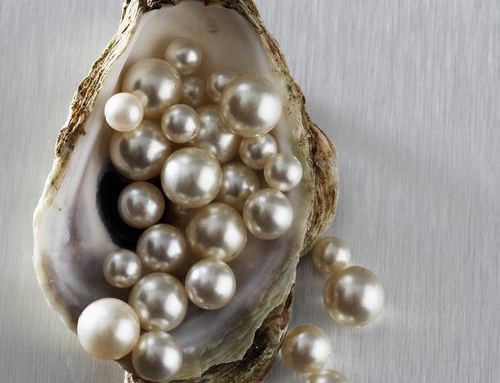
I’m going to open with a fact that most high-street jewelers won’t tell you at the counter. Pearls are organic gemstones. They are soft, they scratch at 2.5 on the Mohs scale, and they degrade in dry vaults. If you are buying a commercial-grade freshwater pearl strand for $150, treat it as a fashion consumable. It will not pay for your grandchild’s college tuition. But if you are asking whether a 14mm Australian South Sea (Pinctada Maxima) sphere with a mirror-bright luster retains value, the answer shifts from an eye-roll to a definitive yes.
Valuation in pearls is a brutal meritocracy. We don’t care about the story. We care about the nacre thickness, measured in millimeters. While a standard Akoya might flaunt 0.4mm of nacre layered over a mother-of-pearl bead, a dense South Sea pearl carries up to 4.0mm of crystalline calcium carbonate. That thickness is the difference between a piece that rubs to chalk within five years and a heirloom that reflects light for a century. This is the physics of endurance. Artificial scarcity created by the “three-to-five-years-per-rotation” farming cycles of Pinctada Margaritifera in French Polynesia locks in the hard floor on pricing for top-tier Tahitian blacks.
The Mikimoto Paradox: Brand Liquidity vs. Jewelry Scrap
Let’s dissect mikimoto pearls resale value. Kokichi Mikimoto industrialized the culturing process, but today, buying a contemporary Mikimoto strand from a department store at full retail is an immediate financial bath. The brand premium is a sunk cost the moment the silk touches your skin. A standard 7.5mm Akoya A1+ strand retailed at $6,800. The intrinsic material value sits around $800 to $1,200. That’s not depreciation; that’s the evaporation of marketing gas. Where Mikimoto provides fiscal defense is in vintage. A 1950s Mikimoto clasp with original rice pearls in oxidized Sterling 925 can move at auction purely on brand nostalgia. But do not mistake the modern white box for a liquidity event. You are paying for the name on the box, not the biomineralization inside the oyster.
We trade directly with coastal farmers. There’s no multi-tier distribution fee disguised as “heritage.” A directly sourced 10mm Australian white round commands a raw cost that aligns physically with a 20-gauge heavy gold finding, not an invisible story. The metal hardware matters. A pearl drilled and glued to a 0.3mm thin stud post will strip its threading within a year. A pearl properly mounted on 14K gold with a reinforced, 925 Sterling silk-core thread (0.45mm thickness) holds structural security for decades. Structural integrity drives resale as much as luster.
Chemistry Kills Value: Nacre Breakdown
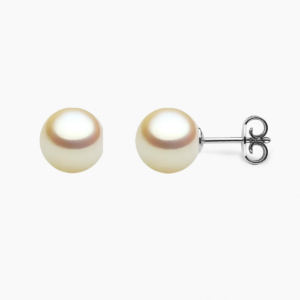
Perfume is a solvent. Ethanol dissolves surface proteins. A pearl stored in a jewelry box next to a Chanel spill loses its orient rapidly, dropping from a mirror finish to a dull matte. That loss of luster slices the value by 80%. When I assess valuable cultured pearls for resale, I run a thumbnail test. I look for fracturing around the drill hole. A single micro-crack in the nucleus, often caused by forced dehumidification in a safe, creates a “dead spot.” That pearl is no longer salable as jewelry-quality; it’s scrap for powder.
Non-nacreous pearls—like conch or melo melo—maintain value through a different mechanism. They cannot be cultured predictably. Their flame structure is a biological accident. A 12mm melo pearl with visible “flame” refraction holds value violently, not because jewelry buyers understand it, but because specimen collectors outnumber harvests. These are not accessories; they are natural history.
Hyper-Specific Attributes That Trigger Investor Interest
Buyers with capital care about three dials: size, overtone, and surface clarity. A 15mm White South Sea with a “silver-rose” overtone and 95% clean surface is a liquidity device. That pearl moves anywhere. A 9mm cream Akoya with pink overtone and scattered dimpling is dead inventory. When asking are real pearls an investment, replace the word “investment” with “low-risk liquidation.” You cannot eat it in a famine, but if the physical object is symmetrical and visually severe, a market exists globally for private sale.
The misconception enters with appraisals. An insurance appraisal for $12,000 does not imply a buyer at $12,000. That figure accounts for retail replacement velocity. The true private-sale liquidity number for a strand is typically 15% to 30% of the appraisal. A bracelet of 11mm Tahitians with peacock overtone, deep pistachio body, and a Sterling 925 toggle clasp (weight: 18.2g) might appraise for $4,500. Cash in hand from a verified collector? Expect $1,300. That’s the reality of the spread. Value is retained against raw pearl cost, not against a retailer’s lease overhead.
Freshwater vs. Saltwater: The Genetic Ceiling
Freshwater pearls from Hyriopsis cumingii mussels operate under a brutal physical limit. They are mantle-tissue nucleated, meaning they are solid nacre, which makes them durable. The trade-off is luster saturation. They rarely achieve the deep, liquid-metal specularity of a saltwater Pinctada because the aragonite platelets align without a polished bead core guiding the optical reflection. Therefore, their value ceiling is stunted. A 16mm freshwater baroque might be a conversation piece, but it trades below $500. A 16mm South Sea sphere trades in thousands. Size cannot fix chemistry.
The market shift toward “edison” freshwater pearls—intensive metallic-lusters in massive sizes—has confused this tier. They are beautiful, but they are a production variable. Supply can be scaled within two decades. South Sea conchiolin compaction rates are geological-speed. That’s the value retention moat.
Hard Goods: A Physical Value Reference Table
Don’t trust adjectives. Trust calipers and scales. Here’s a breakdown of core specimens and their physical reliability as wearable assets.
| Pearl Type (Latin Species) | Diameter (mm) | Nacre Depth (mm) | Weight / Item (g) | Metal Mounting | Private Resale Potential (vs. Raw Cost) |
|---|---|---|---|---|---|
| Akoya (Pinctada Fucata) | 7.5 – 8.0 | 0.45 | 4.2 (strand avg per pearl) | 14K Yellow Gold, 0.6mm post | Low. Thin nacre risks chalking. |
| South Sea White (Pinctada Maxima) | 13.0 – 14.5 | 3.8 | 11.5 | 18K Gold, 20-gauge copper core wire | High. Institutional buyer demand stable. |
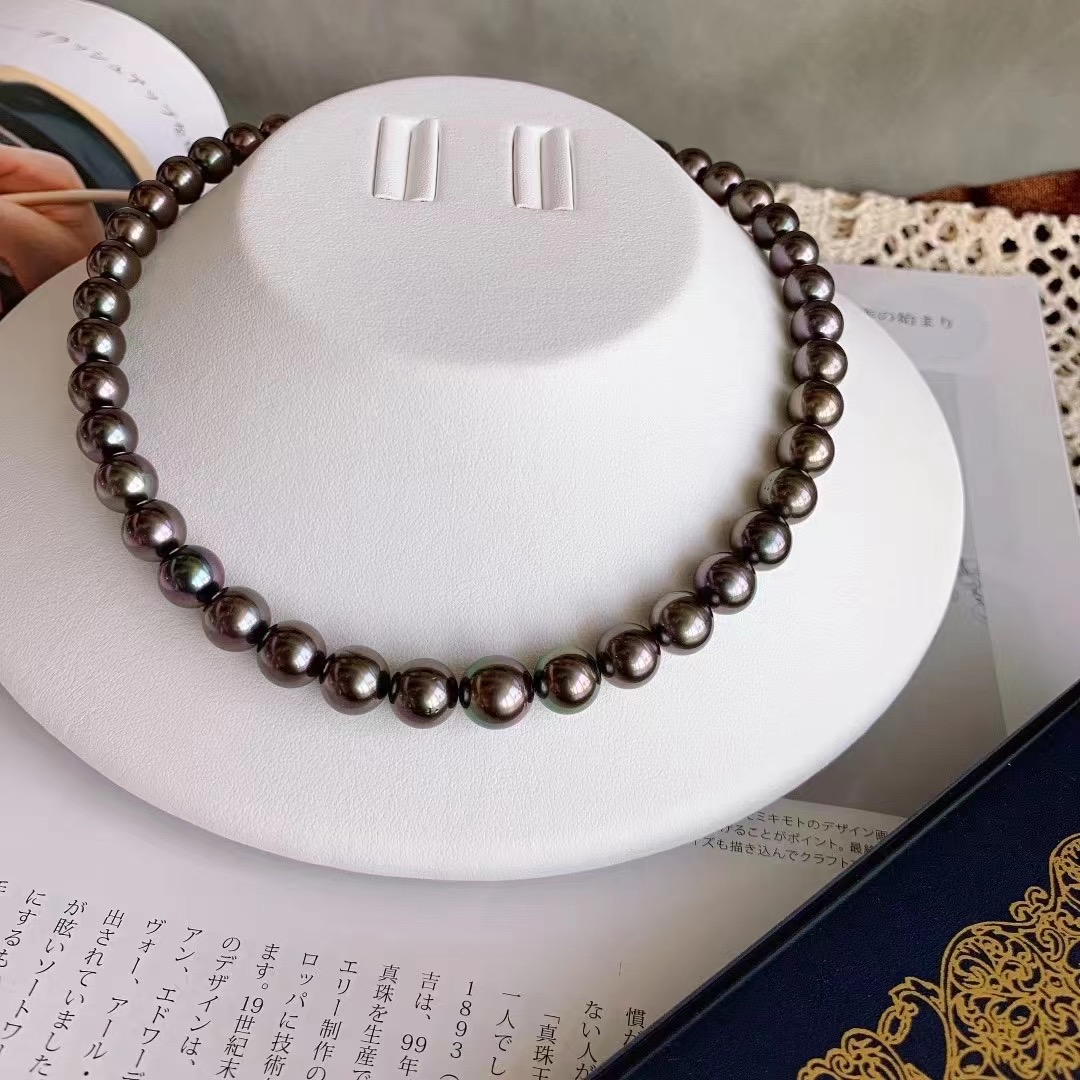
| Tahitian Black (Pinctada Margaritifera) | 10.0 – 12.0 | 2.5 | 8.3 | Sterling 925, 0.45mm silk double-knot | Medium. Color saturation required. |
| Freshwater Edison (Hyriopsis Cumingii) | 14.5 | Solid (Mantle-Nucleated) | 7.2 | Sterling 925, rhodium finish | Speculative. Price depends on metallic lustre grade. |
Trade-In Logic: Selling Your Strand Without Bleeding Out
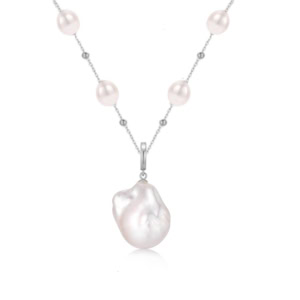
If you want to turn a pearl necklace into cash, you sell the grading, not the sentiment. Take the strand to a GIA-certified bench. Ask for a “pearl identification report,” not an appraisal. A report stating “Saltwater Cultured, Pinctada Maxima, No Evidence of Dye, Nacre Depth Estimated 3.5mm” is a tradeable certificate. Without it, your word is air.
Buying mid-century estate lots works because the clasps carry tangible weight. A hand-fabricated 14K filigree fishhook clasp from 1960 has a gold scrap value floor of roughly $90. The pearls themselves, if not shattered, layer on top. The asset floor is the metal; the pearl is the dividend. This is how you practice buying genuine do pearls retain value with confidence. You calculate the salvage value of the hardware first. If the premium above the metal scrap price is too high for the grade of the pearl, you walk. It’s not about being cold—it’s about not being scammed by mall lighting that makes a dead oyster shell glow like a moon.
Climate Disruption as a Value Catalyst
This is the unsexy data point that will define pearl pricing for the next thirty years. Pinctada Maxima in the Australian north-west shelf are sensitive to a 1.5-degree Celsius shift. Ocean acidification is crushing spat survival rates. Hatchery mortality is spiking in regions of the Pacific where aragonite saturation states dip below 2.5. The supply of 13mm+ perfect circles is contracting geographically. When production volume drops and luxury demand holds, the secondary market liquidity for existing heavy-nacre pearls tightens into a seller’s advantage.
Acidification thins the shell of the host mollusk. A weaker host deposits a more fractured nacre. The 4.0mm deep display of a 1990s South Sea strand is becoming a geological artifact. If you hold a strand of pre-2005 Australian whites with a certified GIA Pearl Report, you are holding a mineral deposit that current ocean chemistry is struggling to replicate at scale. That is retention by environmental default.
Bench Recommendation to Protect the Asset
Stop storing pearls in plastic bags. Polyethylene outgasses trace acids that dull aragonite. Stop wearing them against bare skin drenched in sunscreen. The titanium dioxide in SPF 50 leaves a chalk film in micro-crevices. If you must store them in a safe, hydrate the air. A dry vault leeches conchiolin-bound water; the pearl contracts, the nucleus separates, and the pearl “dies” audibly—it rattles when shaken. A rattling pearl has negative value, regardless of the original invoice.
For strands intended to hold trade value, restring every 12 months with dyed silk, 0.45mm gauge, double-knotted between every bead. A snapped string that dumps 45 pearls onto concrete eliminates all value in two seconds of scattering. The knot is the mechanical interruption against catastrophic loss. This is the maintenance tax of organic gemstones.
Direct Sourcing Defeats Retail Depreciation
A pearl retains value when the gap between what you paid and what the pearl costs the earth is narrow. A Tahitian strand sold by a coastal collective at 11mm diameter, set on a 20-gauge Sterling 925 clasp, with a raw farm cost of $600, sold to you at $900, still holds $400 to $500 on resale. A strand bought for $4,200 at a boutique where the same pearl had been marked up five times before reaching the glass case—that strand loses 70% of your cash the second you walk into the sunlight. The object is identical biochemically. The market route is everything. We don’t sell fairy tales; we sell Pinctada Margaritifera spheres with a digital caliper readout in the description. Measure everything. Trust luster. Ignore the velvet box.
Synthetic “shell pearl” has no secondary market period. It is plastic filler coated with fish scale essence. A knife test reveals the truth instantly—hydrochloric acid bubbles on aragonite, not on resin. If you are serious about holding future trade-in value, you need the acid test. You need the objective physical reality of the calcium carbonate deposited by a living organism. The biogenic origin is the only thing standing between a valuable asset and costume jewelry glued in a factory. Purchase accordingly.