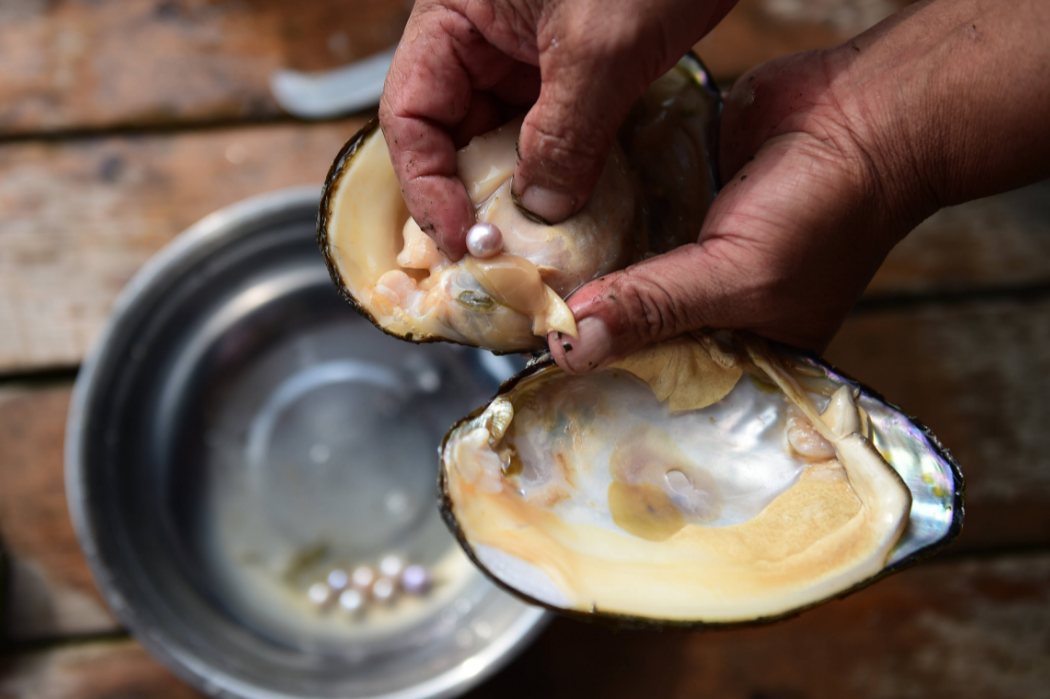
Pearls, one of nature’s most exquisite treasures, are produced by oysters through a fascinating biological process. The formation of a pearl begins when an irritant, such as a grain of sand or a parasite, enters the oyster’s shell. To protect itself from the foreign substance, the oyster secretes layers of nacre, a combination of aragonite (a form of calcium carbonate) and conchiolin (an organic protein). Over time, these layers build up around the irritant, gradually forming a lustrous pearl. This process can vary significantly between different types of pearls, such as freshwater pearls, Tahitian pearls and Akoya pearls, each with its own unique characteristics and formation environment.
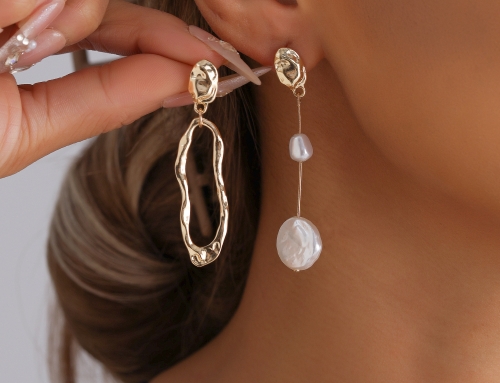
Freshwater pearls are primarily produced by freshwater oysters in rivers and lakes. Unlike their saltwater counterparts, which typically produce one pearl at a time, freshwater mussels can produce multiple pearls simultaneously. These pearls are known for their wide range of shapes and colors, including white, pink, lavender and peach. The cultivation process for freshwater pearls often involves inserting a small piece of mantle tissue from another mussel into the host’s shell to stimulate nacre secretion.
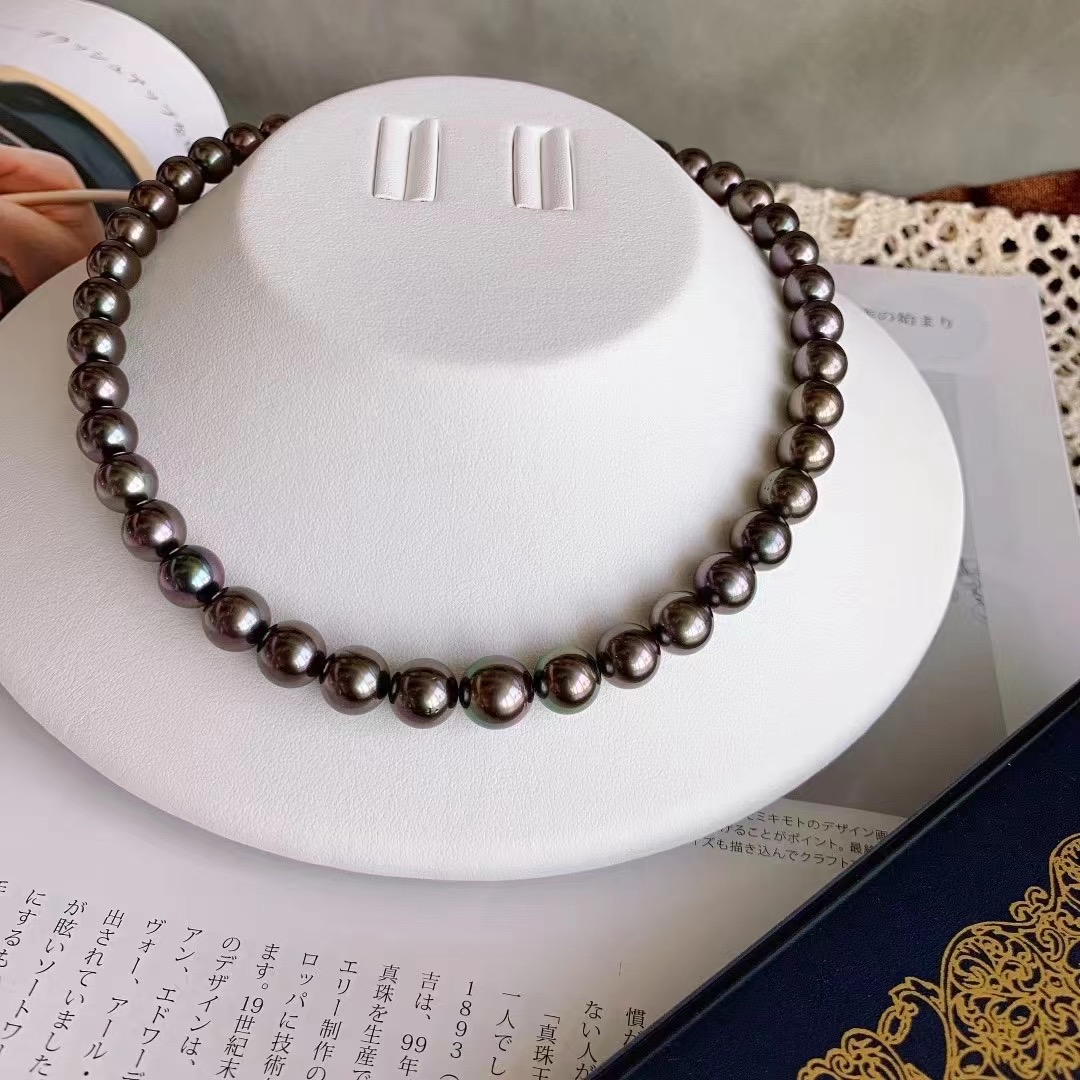
Tahitian pearls, on the other hand, are cultured in black-lipped oysters found in the warm waters of French Polynesia. Known for their dark and exotic colors, ranging from black to green to peacock blue, Tahitian pearls derive their unique hues from the specific species of oyster that produces them. The cultivation process is more labor intensive than for freshwater pearls. A small mother-of-pearl pellet is inserted into the oyster along with a piece of donor mantle tissue. The oyster then coats this bead with layers of mother-of-pearl over several months to years before the pearl is harvested.
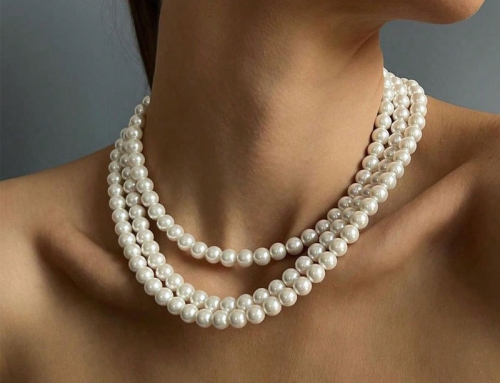
Akoya pearls are known for their classic white color and high luster. These pearls are produced by the Akoya oyster in the coastal waters of Japan and China. The cultivation process for Akoya pearls is meticulous and requires considerable expertise. Similar to Tahitian pearls, a pearl nucleus is implanted into the oyster along with a piece of mantle tissue. The oyster then secretes nacre around the pearl over a period of six months to two years. Akoya pearls are highly prized for their near perfect round shape and mirror-like luster.
In summary, the formation of pearls in oysters is a remarkable natural process involving the secretion of nacre to encapsulate an irritant within the shell. This process varies depending on whether freshwater, Tahitian or Akoya pearls are cultured, with each type requiring specific conditions and techniques to achieve its distinctive appearance. From the vibrant colors of freshwater pearls to the exotic appeal of Tahitian pearls and the classic elegance of Akoya pearls, these gems continue to captivate people around the world with their beauty and unique origins.