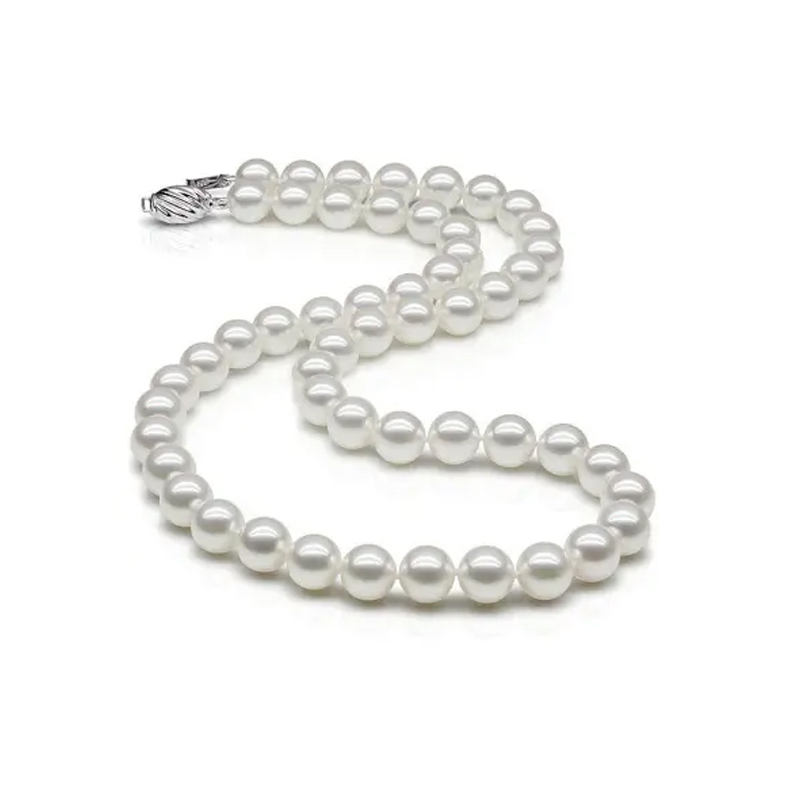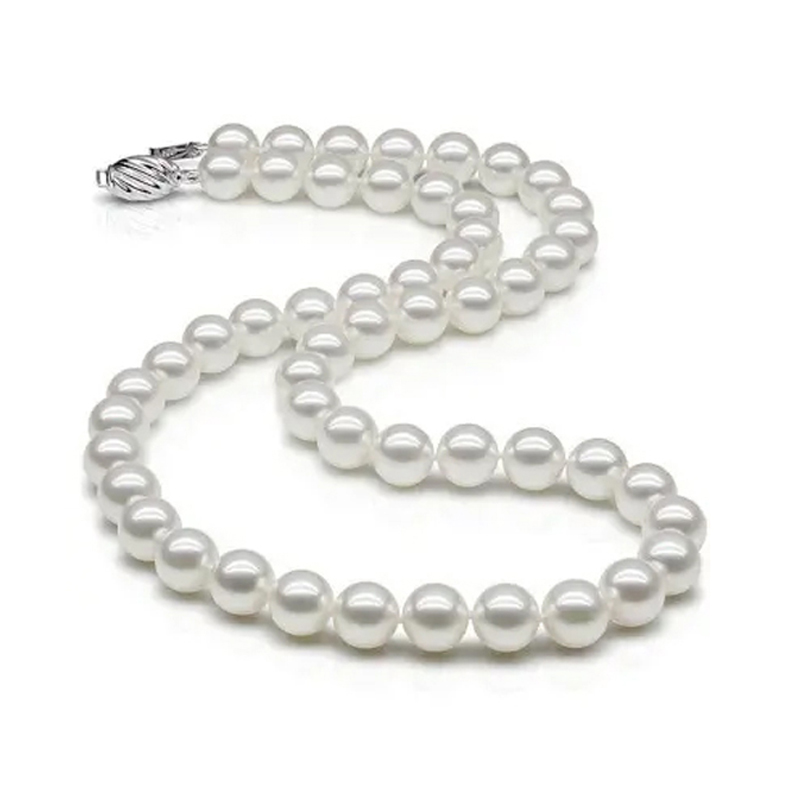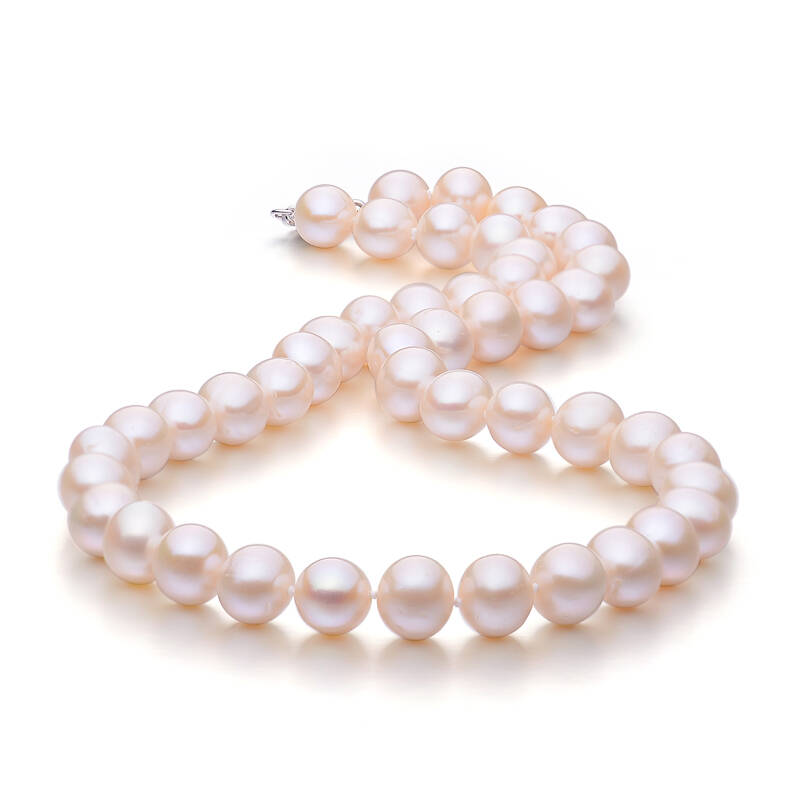
Pearls have been a symbol of elegance and sophistication for centuries. They are highly valued for their lustrous beauty and rarity. Real pearl necklaces, in particular, are highly sought after and can fetch a significant amount of money. However, the value of a real pearl necklace is not solely determined by its beauty. In this article, we will explore the factors that affect the worth of a real pearl necklace, the different types of pearls and their values, the pearl grading systems, the appraisal process, and tips for taking care of your real pearl necklace.
Introduction to Real Pearl Necklaces
Real pearl necklaces are made from natural pearls that are created by mollusks. These pearls are formed when an irritant, such as a grain of sand, gets inside the mollusk and triggers the formation of a pearl sac. The mollusk then secretes layers of nacre around the irritant to protect itself, and over time, this process leads to the formation of a pearl.
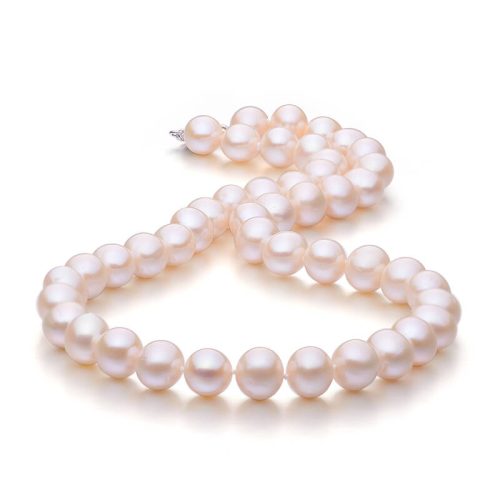
Real pearl necklaces come in a variety of colors, including white, black, pink, and gold. The most valuable pearls are those that have a deep, lustrous glow and a round, symmetrical shape. The size of the pearl also plays a role in determining its value, with larger pearls being more valuable than smaller ones.
Factors that Affect the Value of a Real Pearl Necklace
Several factors can affect the value of a real pearl necklace. These include:
Size
The size of the pearls in a necklace is one of the most significant factors in determining its value. Larger pearls are generally more valuable than smaller ones, as they are rarer and take longer to form.
Shape
The shape of the pearls in a necklace also plays a role in its value. Round pearls are the most valuable, as they are the rarest shape to find naturally. Other shapes, such as oval, drop, and baroque, are less valuable.
Color
The color of the pearls in a necklace is another important factor in determining its value. White, black, and pink pearls are the most valuable, while gold and other colored pearls are generally less valuable.
Luster
The luster of the pearls in a necklace is also an important factor in determining its value. Pearls with a deep, lustrous glow are more valuable than those with a dull or flat appearance.
Surface Quality
The surface quality of the pearls in a necklace is another factor in determining its value. Pearls with few blemishes or imperfections are more valuable than those with many blemishes or imperfections.
Pearl Grading Systems
Several pearl grading systems are used to determine the value of real pearl necklaces. These grading systems take into account factors such as size, shape, color, luster, and surface quality.
AAA
The AAA grading system is the highest grade for pearls. Pearls that are graded AAA are nearly perfect, with excellent luster, surface quality, shape, and color.
AA
The AA grading system is the second-highest grade for pearls. Pearls that are graded AA have very good luster, surface quality, shape, and color, but may have minor imperfections.
A
The A grading system is the third-highest grade for pearls. Pearls that are graded A have good luster, surface quality, shape, and color, but may have more obvious imperfections.
Types of Pearls and Their Worth
There are several types of pearls used in real pearl necklaces, each with its own value.
Akoya Pearls
Akoya pearls are the most common type of pearl used in real pearl necklaces. They come from saltwater oysters and are known for their high luster and round shape. Akoya pearls are generally smaller in size than other types of pearls and range in color from white to cream.
South Sea Pearls
South Sea pearls are the largest and most valuable type of pearl. They come from saltwater oysters in the South Pacific and are known for their large size, thick nacre, and unique colors, which range from white to gold.
Tahitian Pearls
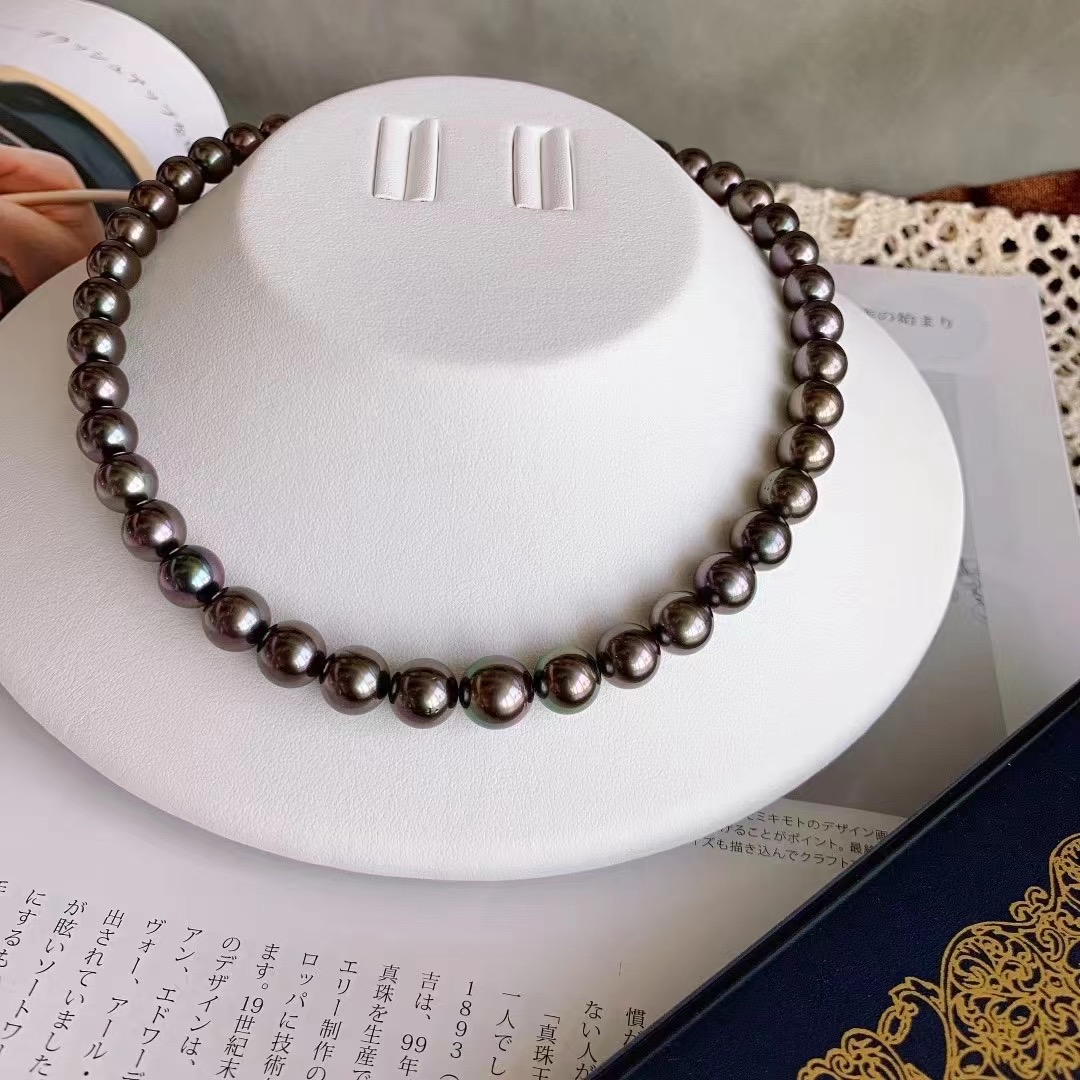
Tahitian pearls come from black-lipped oysters in French Polynesia. They are known for their dark colors, which range from black to gray to green to blue. Tahitian pearls are also larger in size than Akoya pearls but smaller than South Sea pearls.
Freshwater Pearls
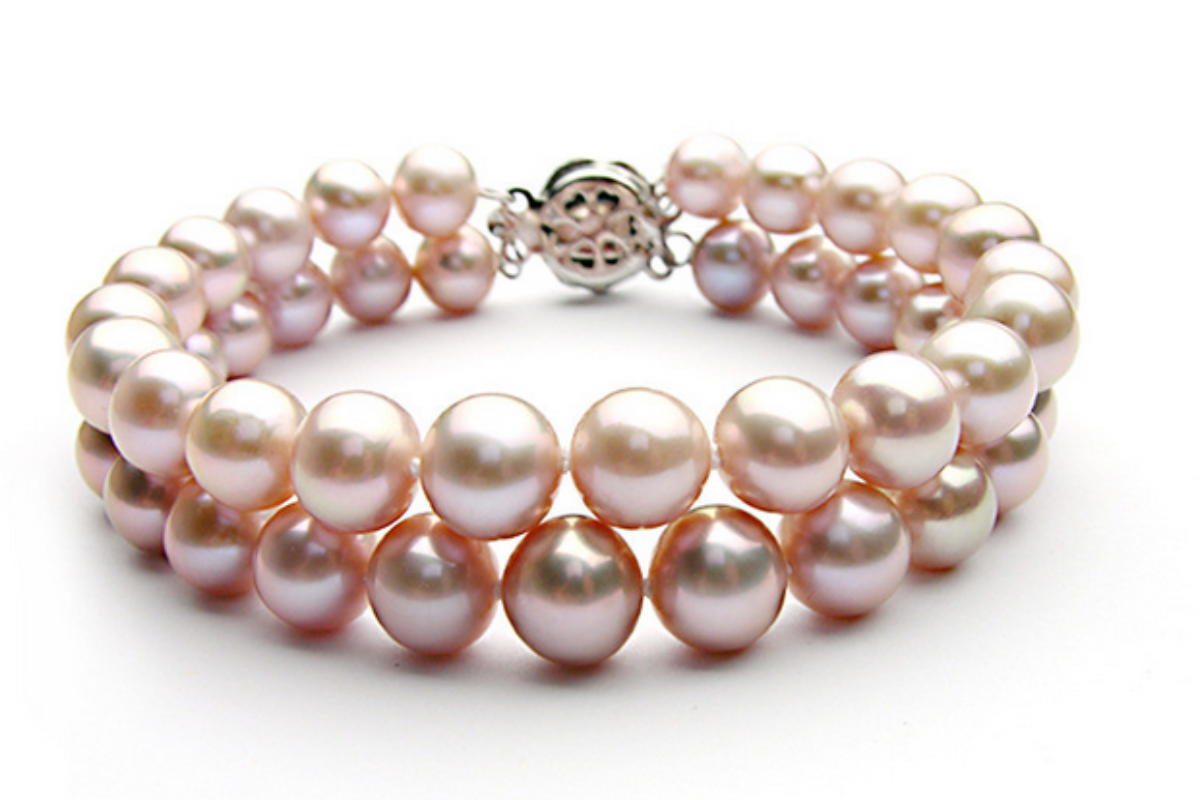
Freshwater pearls come from freshwater mussels and are generally less expensive than saltwater pearls. They come in a variety of shapes and colors, ranging from white to pink to lavender to peach. Freshwater pearls are also larger in size than Akoya pearls and are often used in more affordable pearl jewelry.
The Appraisal Process for Real Pearl Necklaces
To determine the value of a real pearl necklace, an appraisal is necessary. An appraisal involves a professional evaluating the necklace’s size, shape, color, luster, and surface quality, as well as its type of pearl and any other factors that may affect its value.
During the appraisal process, the appraiser will also consider the current market conditions and demand for real pearl necklaces. The appraiser will then provide a value for the necklace based on their evaluation and market conditions.
Tips for Taking Care of Your Real Pearl Necklace
Real pearl necklaces are delicate and require special care to maintain their beauty and value. Here are some tips for taking care of your real pearl necklace:
Store Your Necklace Properly
When storing your real pearl necklace, avoid placing it in direct sunlight or near sources of heat, such as heaters or fireplaces. Instead, store it in a cool, dry place, such as a jewelry box or pouch.
Clean Your Necklace Gently
To clean your real pearl necklace, use a soft, damp cloth and gently wipe each pearl. Avoid using harsh chemicals or abrasive materials, as they can damage the pearls’ surface.
Wear Your Necklace Often
Real pearl necklaces are meant to be worn and enjoyed. By wearing your necklace often, you can help maintain its luster and prevent it from becoming dull.
Conclusion
Real pearl necklaces are a valuable and timeless piece of jewelry that can be passed down from generation to generation. By understanding the factors that affect their value, the different types of pearls and their worth, the pearl grading systems, and the appraisal process, you can make an informed decision when buying, selling, or inheriting a real pearl necklace. Additionally, by following the tips for taking care of your real pearl necklace, you can ensure that it remains a cherished and valuable piece of jewelry for years to come.
CTA: Invest in a real pearl necklace today and cherish its elegance and value for years to come.
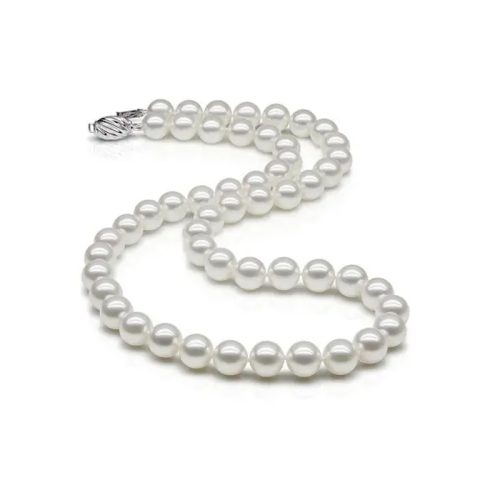
Price range: $4,579.00 through $5,099.00
18% Off
-
Price range: $3,999.00 through $4,199.00
20% Off
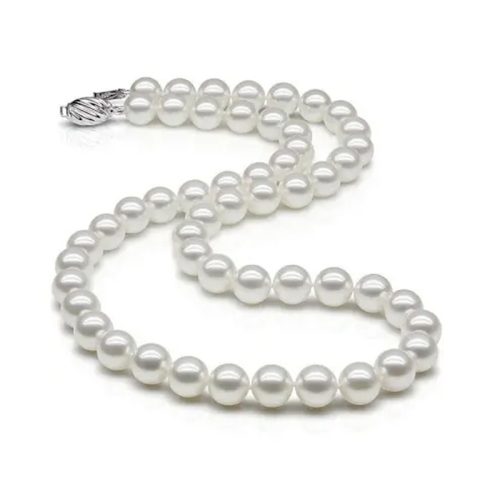
Original price was: $15,999.00.$11,000.00Current price is: $11,000.00.
31% Off
Price range: $559.00 through $1,781.00
15% Off