Making pearl jewelry with different metals
When making high-quality pearl jewelry, different metals are often used to ensure the beauty and durability of the jewelry. 925 silver is a popular choice as it is not only affordable, but also sturdy and shiny. For a more luxurious touch, 14K gold or 18K gold is often used. While 14K gold offers a good balance between durability and price, 18K gold is characterized by its high purity and warm color, making it particularly classy. These metals perfectly complement the natural elegance of the pearls and give each piece of jewelry a special value.
At Pearls Nation, our genuine pearl jewelry is available in a variety of precious metals. The most commonly used metals and processes are:
925 silver
925 silver gold-plated
14 k gold (585 gold)
18 k gold (750 gold)
8 k gold (gold 333) is usually used for lower quality jewelry as the gold content is very low. Pearls Nation only focuses on high quality pearl jewelry, we do not use pearls below AA+ and no 8 kgold.
925 Sterling silver
925 sterling silver
925 silver, also known as 925 sterling silver, consists of 92.5 % pure silver and 7.5 % metal alloy (usually copper).
925 gold-plated silver
925 gold-plated silver refers to jewelry or items that are made of sterling silver and plated with a thin layer of gold. Here are some important points about this material:
925 silver
Silver content: The 925 content means that the material consists of 92.5% pure silver and 7.5% other metals, usually copper. This alloy is also known as sterling silver and is popular because of its optimal balance between purity and durability.
Gold plating
Process: Gold plating is usually done by electroplating, where the silver piece is immersed in a gold bath and then exposed to an electric current. This causes the gold particles to settle on the surface of the silver.
Types of gold: Either yellow gold, white gold or rose gold can be used for gold plating, depending on the desired appearance.
Advantages
Affordability: Gold-plated 925 silver offers a cheaper alternative to solid gold, while being virtually indistinguishable on the outside.
Durability: The sterling silver core makes the jewelry stronger than pure gold, which can be softer and more susceptible to damage.
Care instructions
Sensitivity: The gold layer can wear off over time and with heavy use. It is important to treat the jewelry with care to ensure the longevity of the gold plating.
Cleaning: Mild soapy water and a soft cloth should be used for cleaning. Strong chemicals or abrasive cleaners should be avoided so as not to damage the gold layer.
In summary, 925 gold-plated silver is an attractive and price-conscious option for jewelry lovers who want to combine the look of gold with the strength and durability of sterling silver.
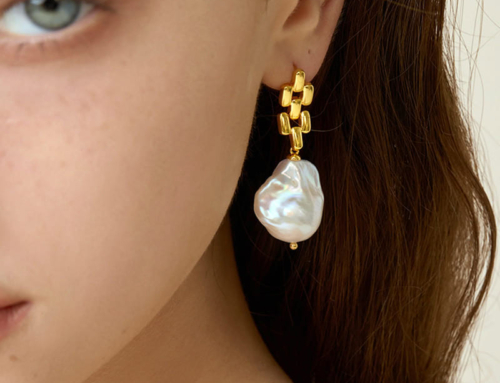
Our rings and earrings with freshwater pearls are usually made of 925 sterling silver or 925 sterling silver with 18 k gold plating.
14 k gold – Gold 585
14Karat gold, also known as 585 gold, refers to a gold alloy that consists of 58.5% pure gold. The remaining 41.5% is made up of other metals such as silver, copper, zinc and sometimes nickel, which are added to improve the hardness, durability and color of the gold.
Here are some important points about 14 k gold:
Composition
Gold content: 14 carat (k) means that 14 out of 24 parts of the alloy are gold. This corresponds to 58.5% pure gold, hence the designation gold 585.
Alloy: The remaining 41.5% consists of other metals that are added to the gold to achieve specific properties such as strength and color.
Color variations
14 k gold can come in several color variations, depending on the metals added:
14 k yellow gold: a mixture of gold, silver and copper. This combination produces a warm, classic gold color.
14 k white gold: Metals such as palladium, silver or nickel are added to achieve a silver-white color. White gold is often plated with rhodium to ensure a shiny and durable finish.
14 k rose gold: This alloy contains a higher proportion of copper, which gives the gold a pinkish hue.
Advantages
Durability: By mixing it with other metals, 14k gold is harder and more resistant to scratches and wear than 24k gold, which is pure gold and therefore softer.
Cost: 14k gold is cheaper than 18k or 24k gold as it has less pure gold content.
Popularity: Due to its good balance between purity, durability and cost, 14k gold is very popular for jewelry, especially in the US and other countries.
Care
Cleaning: 14k gold jewelry should be cleaned regularly to remove dirt and debris. It is advisable to use mild cleaning agents and a soft cloth.
Protection: Avoid contact with strong chemicals and store the jewelry safely to prevent damage.
Summary
14Karat gold, also known as 585 gold, offers an attractive blend of beauty, durability and affordability. It is a popular choice for a variety of jewelry because it combines the luxurious look of gold with practical benefits.
This detailed description should give you a good understanding of what 14ct gold or 585 gold is and why it is so popular.
At Pearls Nation, much of the pearl jewelry is made in combination with 14 K gold.
18 k gold – 750 gold
18k yellow gold, 18k white gold, 18k rose gold
18 karat gold (18K gold) is a popular gold alloy used in jewelry making. Here are some important points about 18K gold:
Definition
18 K: The carat value indicates the degree of purity of the gold. 18 carat means that the alloy consists of 75% gold and 25% other metals.
Properties
Purity: 18K gold consists of 75% pure gold. The remaining 25% are other metals, such as silver, copper or palladium, which are added to the gold to improve certain properties.
Color: The exact color of 18K gold can vary depending on which metals are used for the alloy. It can appear yellow, white, rose or even greenish.
Hardness: Due to the addition of other metals, 18K gold is harder and more resistant to scratches and damage than 24K gold. This makes it ideal for making everyday jewelry.
Uses
Jewelry: Due to its good balance between purity, durability and color variety, 18K gold is a popular choice for engagement rings, wedding bands and high-end jewelry.
18 K gold is available in the following common colors:
18 K yellow gold: this is the most traditional gold color, which has a warm appearance and is usually made from pure gold combined with copper and zinc alloys.
18 K white gold: It looks like silver or white and is made from a mixture of pure gold and white metals such as palladium or nickel, often with a layer of rhodium to increase the shine.
18 K rose gold (or pink gold): This gold color has a rich pink or reddish hue and is made by mixing pure gold with a higher percentage of copper.
18 K green gold: This less common color is an alloy of pure gold and silver or cadmium with a slight green tint.
Notes on buying
Quality and price: 18K gold jewelry is usually more expensive than 14K or 10K gold jewelry because the gold content is higher. The quality and design of the piece of jewelry can also influence the price.
Stamping: Genuine 18K gold jewelry is usually marked with a stamp such as “18K”, “750” (which means that the gold is 75% pure), “18Kt” or similar.
Advantages of 18K gold
Aesthetics: The high concentration of gold provides a rich, warm appearance that many people find appealing.
Durability: It is more durable and scratch resistant than 24K gold, making it a practical choice for jewelry that is worn daily.
Variety: The ability to vary the color through different alloys gives designers and wearers a wide range of options.
18K gold offers an attractive combination of purity, beauty and practicality, making it a popular choice for high-quality jewelry.
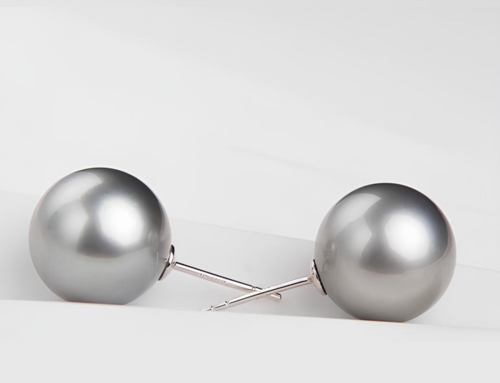
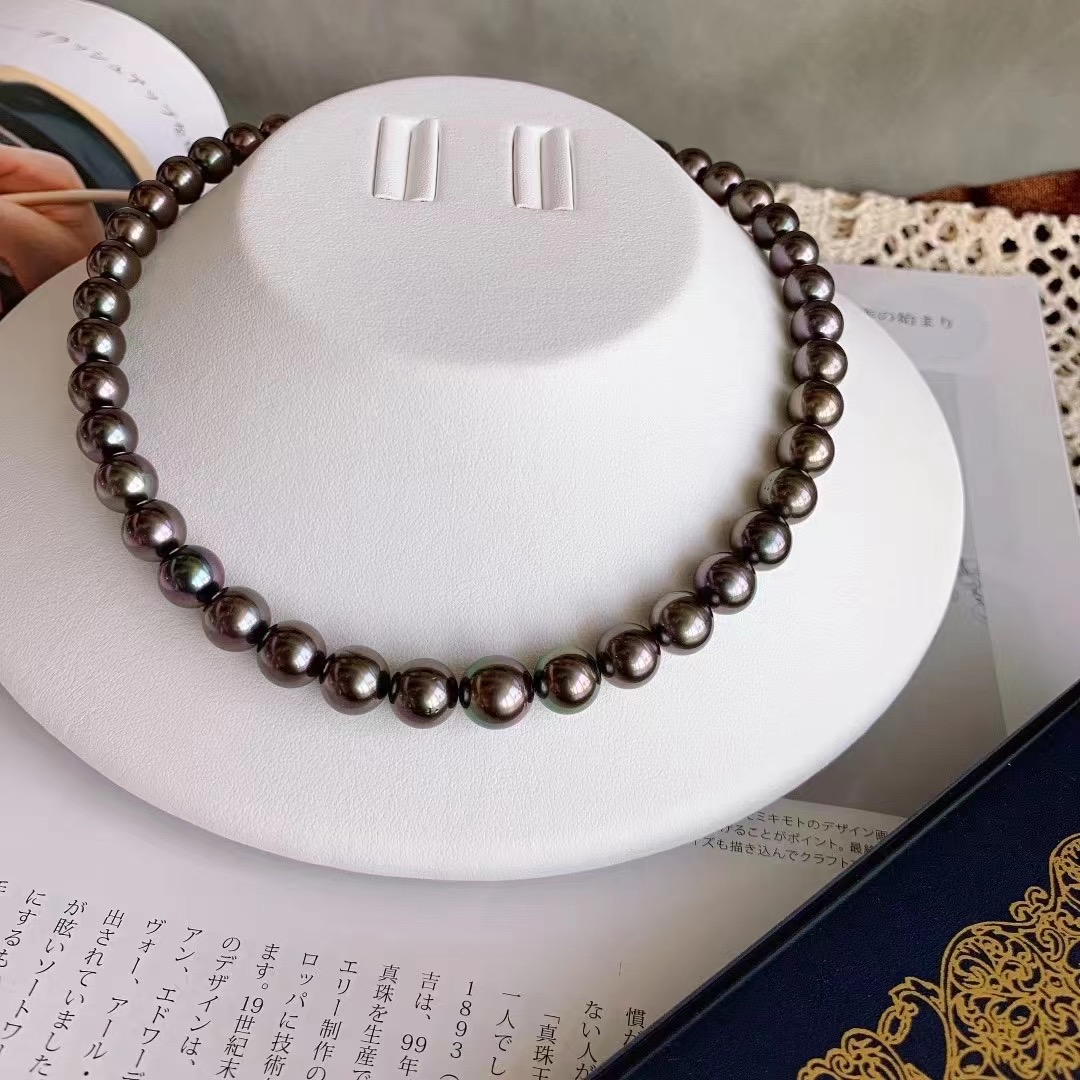
Our Akoya pearls, Tahitian pearls and South Sea pearls are crafted into pearl earrings and pearl rings that are predominantly made from 18-karat gold.
24k gold
24k gold
24 carat gold (24K gold) is gold in its purest form. Here are some key points about 24K gold:
Definition
24 carat (K): The carat value indicates the degree of purity of the gold. 24 carat is the highest level of purity and means that the material is 100% gold, with no other metals added.
Properties
Purity: 24K gold is 99.9% pure. It contains no or only very small amounts of other metals.
Color: Due to its purity, 24K gold has a characteristic bright yellow color.
Softness: Pure gold is soft and very malleable. This makes 24K gold suitable for the production of coins and bars, but less so for jewelry that is worn on a daily basis, as it can easily become scratched and deformed.
Price: Due to its purity and rarity, 24K gold is generally more expensive than lower karat gold.
Uses
Investment: Many people buy 24K gold in the form of bars or coins as an investment or store of value.
Electronics: Due to its excellent conductivity and corrosion resistance, 24K gold is used in the electronics industry, for example in connections and contacts.
Jewelry: In some cultures, especially in Asia, 24K gold is used for jewelry worn on special occasions despite its softness.