1.What is a pearl necklace
2.What does pearl necklace mean
3.How to tell if a pearl necklace is real
4.How much is a pearl necklace worth
5.How to clean pearl necklace
6.Why are young guys wearing pearl necklaces
7.Why do men wear pearl necklaces
8.Can i have a pearl necklace authenticated
9.What is a pearl necklace in slang
10.How much should a pearl necklace cost
11.How to wear pearl necklace
12.The length of the pearl necklace and the hairstyle
13.Can pearls be given as birthday gifts?
14.Is it okay to give a pearl necklace as a gift on a wedding anniversary?
15.Can a pearl necklace be given to a man as a gift?
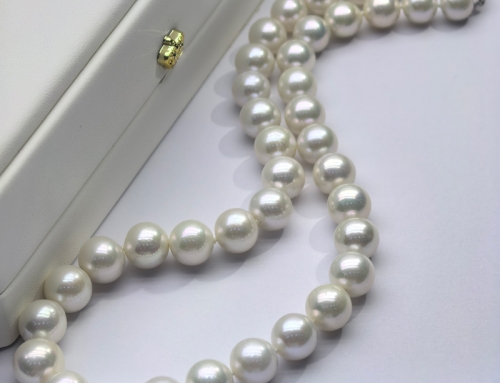
In recent years, pearl necklaces have emerged as a prominent trend within the jewelry industry, captivating the hearts of fashion enthusiasts and discerning customers alike. These exquisite pieces, often synonymous with elegance and sophistication, are experiencing a renaissance as designers reimagine their classic forms. Contemporary styles now incorporate various lengths, colors, and innovative designs, making them versatile accessories suitable for both casual and formal occasions. The allure of pearl necklaces lies not only in their timeless beauty but also in their ability to elevate any outfit, adding a touch of refined luxury. As we embrace these industry trends, investing in a pearl necklace becomes a statement of quality and elegance, ensuring its place in every jewelry collection.
1.what is a pearl necklace
Introduction to Pearl Necklaces
Pearl necklaces have long been a symbol of sophistication and elegance, cherished across cultures and centuries. From Cleopatra to modern-day fashion icons, pearls continue to captivate with their timeless beauty. As you explore the world of pearls, you’ll discover a rich variety of types, each with its own unique charm and story.
In this guide, we’ll delve into the fascinating world of pearl necklaces, uncovering the nuances that make each type special. Whether you’re a seasoned collector or a curious beginner, understanding the differences between Freshwater, Akoya, South Sea, Edison, and Tahitian pearls will enhance your appreciation and help you make informed decisions.
By the end of this article, you’ll have a comprehensive understanding of the characteristics, origins, and appeal of these exquisite gems. Let’s embark on this journey to embrace the elegance of pearl necklaces and discover which type best suits your style.
The Different Types of Pearls
Pearls are not a one-size-fits-all treasure; they come in various shapes, sizes, and colors, each type offering distinct attributes. The primary types of pearls include Freshwater, Akoya, South Sea, Edison, and Tahitian. Each variety is cultivated in different regions and environments, leading to unique features and qualities.
- Freshwater Pearls: These pearls are known for their diverse shapes and colors, often found in an array of pastel hues. Cultivated mainly in freshwater lakes and rivers, they are more abundant and, hence, more affordable.
- Akoya Pearls: Renowned for their classic round shapes and high luster, Akoya pearls are often associated with traditional pearl necklaces. Cultivated primarily in Japan, they are typically white or cream with rose or silver overtones.
- South Sea Pearls: Known for their large size and luxurious appeal, South Sea pearls are cultivated in the warm waters of Australia, Indonesia, and the Philippines. They are available in white, silver, and golden hues.
- Edison Pearls: A relatively new entry in the pearl market, Edison pearls offer bold colors and impressive sizes. These freshwater pearls are cultivated using innovative techniques to achieve a remarkable luster.
- Tahitian Pearls: Often referred to as black pearls, Tahitian pearls are cherished for their exotic dark colors and iridescent hues. Cultivated in the lagoons of French Polynesia, they offer a striking contrast to traditional pearls.
Understanding these types will guide you in selecting a pearl necklace that complements your personal style and preferences.
Freshwater Pearls necklace : Characteristics and Popularity
Freshwater pearls are celebrated for their versatility and range of colors. Found predominantly in China, these pearls are cultivated in freshwater mussels, allowing for the production of multiple pearls at once. This abundance makes them more accessible and affordable compared to their saltwater counterparts.
The beauty of freshwater pearls lies in their diversity. They come in various shapes, including round, baroque, and oval, and are available in a spectrum of colors like white, pink, lavender, and peach. This variety enables you to find a pearl necklace that perfectly aligns with your aesthetic preferences, whether you’re looking for something subtle or bold.
The popularity of freshwater pearls has surged due to their affordability and beauty. They offer a delightful alternative for those who want the elegance of pearls without the hefty price tag. When choosing a freshwater pearl necklace, consider the luster and surface quality, as these factors significantly influence the overall appearance of the pearls.
Akoya Pearls necklace : The Classic Choice
Akoya pearls are the quintessential choice for those seeking a classic and sophisticated look. Cultivated primarily in the coastal waters of Japan, these pearls are synonymous with elegance and tradition. Their perfectly round shape and remarkable luster make them a favorite for formal occasions and timeless jewelry pieces.
Typically available in shades of white or cream, Akoya pearls often feature subtle rose or silver overtones that enhance their beauty. The meticulous cultivation process involves implanting a small bead into the oyster, which then forms a nacre coating over time, resulting in the pearl’s signature shine.
When selecting an Akoya pearl necklace, you’ll want to consider the size, luster, and surface quality of the pearls. A high-quality Akoya necklace will exhibit a brilliant sheen and minimal blemishes, ensuring it stands out as a stunning accessory in your collection.
South Sea Pearls necklace: Luxury and Luster
Renowned for their opulent size and lustrous appeal, South Sea pearls are the epitome of luxury. Cultivated in the warm waters of Australia, Indonesia, and the Philippines, these pearls are produced by the Pinctada maxima oyster, known for creating some of the largest pearls in the world.
South Sea pearls are available in various hues, including white, silver, and a striking golden color. The warm tones and substantial size make them a coveted choice for those seeking a statement piece. These pearls are often set into exquisite jewelry designs that highlight their natural beauty.
The rarity and grandeur of South Sea pearls come with a higher price tag, but their timeless appeal makes them a worthwhile investment. When choosing a South Sea pearl necklace, focus on the pearl’s size, color, and surface quality to ensure you’re selecting a top-tier piece.
Edison Pearls necklace : The New Kid on the Block
Edison pearls represent a modern innovation in the pearl industry. These freshwater pearls are cultivated using unique techniques that result in larger sizes and vibrant colors. Originating from China, Edison pearls are gaining popularity for their bold appearance and affordability.
Distinct from traditional freshwater pearls, Edison pearls boast a remarkable luster and unusual colors such as deep purples, metallic hues, and vivid pastel shades. Their impressive size and unique characteristics make them a fashionable choice for those seeking something different from the norm.
When considering an Edison pearl necklace, you’ll want to evaluate the color intensity, luster, and size of the pearls. Their innovative cultivation process ensures a high-quality sheen and a variety of striking colors that are sure to captivate and delight.
Tahitian Pearls necklace : Exotic Beauty
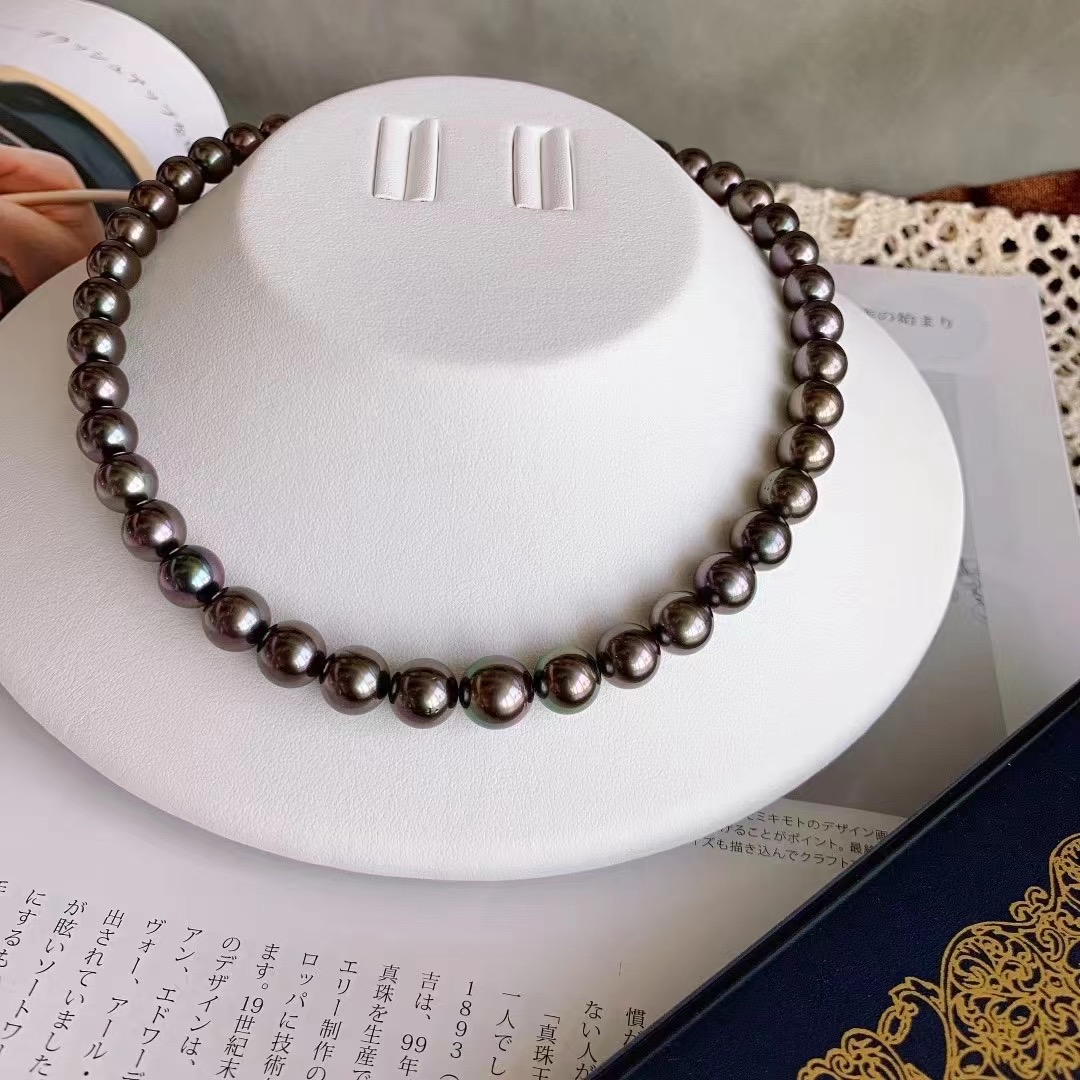
Tahitian pearls, often referred to as black pearls, are celebrated for their exotic and mysterious allure. Cultivated in the lagoons of French Polynesia, these pearls are produced by the black-lipped oyster, which gives them their distinctive dark colors and iridescence.
Unlike other pearls, Tahitian pearls exhibit a range of colors, including black, green, blue, and even peacock hues. This unique spectrum of shades makes them a popular choice for those looking to make a bold fashion statement. The natural beauty and exotic appeal of Tahitian pearls ensure they stand out in any jewelry collection.
When selecting a Tahitian pearl necklace, consider the pearl’s color, luster, and surface quality. A high-quality Tahitian necklace will showcase vibrant colors and a mirror-like finish, encapsulating the exotic beauty these pearls are known for.
2.what does pearl necklace mean
A pearl necklace is a timeless piece of jewelry that has been cherished for centuries across various cultures. It symbolizes elegance, purity, and sophistication, making it an accessory that transcends fashion trends. The meaning of a pearl necklace can vary depending on the context in which it is given or worn. For many, it signifies a milestone event such as a wedding, anniversary, or birthday, marking significant moments in one’s life with a touch of class and beauty. Beyond personal milestones, the pearl necklace often serves as a family heirloom, passed down through generations, carrying with it the legacy and stories of those who wore it before.
The allure of the pearl necklace is not only in its aesthetic appeal but also in its rich historical and cultural significance. In various cultures, pearls have been regarded as symbols of wisdom and wealth. For instance, in ancient Greece, pearls were believed to bring love and were often worn by brides to ensure marital bliss. In Eastern cultures, pearls are considered to bring good fortune and protection. The classic strand of pearls has been associated with iconic figures such as Coco Chanel and Audrey Hepburn, further cementing its status as a staple of refined elegance.
The craftsmanship involved in creating a pearl necklace also adds to its meaning. Each pearl is a product of meticulous cultivation and selection, often taking years to form perfectly round beads with a lustrous sheen. The process involves careful nurturing of oysters, ensuring the right conditions for the pearls to develop their unique characteristics. Assembling a pearl necklace requires skill and precision to match pearls in size, color, and luster, resulting in a harmonious piece that exudes natural beauty.
Moreover, the pearl necklace has found contemporary relevance in modern fashion, symbolizing both tradition and innovation. Designers today experiment with different styles and settings, incorporating pearls into avant-garde jewelry pieces that appeal to younger generations while still honoring the timeless allure of this gemstone. Whether it’s a single strand of Akoya pearls or a multi-layered statement piece featuring freshwater pearls, the versatility of the pearl necklace ensures its place in diverse wardrobes.
In conclusion, the meaning of a pearl necklace extends well beyond its physical beauty. It encompasses cultural heritage, personal significance, and artistic craftsmanship. Whether given as a gift to mark a special occasion or worn as an everyday accessory, a pearl necklace remains an enduring symbol of grace and sophistication. Its ability to adapt to contemporary styles while maintaining its classic charm ensures that it will continue to be cherished for generations to come.
3.How to tell if a pearl necklace is real
Pearls have long been esteemed as one of the most coveted gemstones due to their timeless beauty and elegance. Unlike other gemstones, pearls are organic, formed within the soft tissue of a living mollusk. This natural process results in a gem that is both unique and captivating. Pearls can be found in a variety of colors, shapes, and sizes, each with its own charm and allure.
At the core of understanding pearls is recognizing the difference between natural and cultured pearls. Natural pearls are rare and form without human intervention, while cultured pearls are formed with a little help from humans. The latter involves inserting a small bead or piece of tissue into the mollusk to stimulate pearl production. Despite this intervention, cultured pearls are still considered real and are the most common type of pearls available on the market today.
When it comes to purchasing pearls, it’s crucial to be informed about the different types and qualities available. This knowledge will empower you to make educated decisions, ensuring that the pearls you choose are genuine and of high-quality. Let’s delve deeper into the types of pearls and how they differ from one another.
Types of Pearls: Freshwater vs. Seawater
Pearls can be broadly categorized into two types: freshwater pearls and seawater pearls. Each type has distinct characteristics and is cultivated in different environments, impacting their appearance and price. Understanding these differences is key to identifying real pearls.
Freshwater pearls are primarily produced in mussels found in lakes, rivers, and ponds, predominantly in China. These pearls are known for their wide variety of shapes and colors, ranging from white to pastel shades. Freshwater pearls are generally more affordable than their seawater counterparts because a single mussel can produce multiple pearls simultaneously.
On the other hand, seawater pearls, also known as saltwater pearls, are cultivated in oysters found in the ocean. The most famous types include Akoya, South Sea, and Tahitian pearls. These pearls are often more lustrous and rounder than freshwater pearls, typically commanding higher prices. Each oyster typically yields only one pearl, contributing to their exclusivity and higher cost.
When selecting pearls, consider your personal preferences and budget. Both freshwater and seawater pearls offer their own unique beauty. Whether you’re drawn to the variety of freshwater pearls or the classic elegance of seawater pearls, understanding these differences will help you make an informed choice.
Key Characteristics of Real Pearls
Identifying real pearls involves recognizing several key characteristics that distinguish them from imitation ones. Authentic pearls possess unique traits that are a result of their natural formation process. These characteristics include surface texture, weight, and internal structure.
One of the most notable features of a real pearl is its surface texture. Genuine pearls will have a slightly gritty feel due to minute imperfections and layers of nacre. This texture is a testament to their authenticity, as fake pearls tend to have a perfectly smooth surface. Additionally, real pearls exhibit a unique iridescence, known as orient, which is absent in artificial pearls.
Weight is another distinguishing factor. Real pearls are generally heavier than their faux counterparts due to their dense nacre composition. When holding a real pearl necklace, you should notice a substantial weight that provides a sense of quality and value.
Finally, the internal structure of pearls is crucial in determining authenticity. Real pearls are composed of concentric layers of nacre, which can be observed under magnification. Imitation pearls, often made of glass or plastic, lack these layers. Understanding these characteristics will equip you with the knowledge to differentiate between real and fake pearls effectively.
Visual Inspection: What to Look For
A visual inspection is one of the simplest methods to assess the authenticity of a pearl necklace. By examining specific features, you can gain valuable insights into the quality and authenticity of the pearls.
Start by observing the color and overtones of the pearls. Real pearls often exhibit subtle color variations and overtones that enhance their overall appearance. These nuances are a product of the natural formation process and add to the pearl’s unique charm. In contrast, fake pearls usually have a uniform color with no overtones, lacking the depth and richness of real pearls.
Next, examine the shape and symmetry of the pearls. While real pearls can be perfectly round, many exhibit slight irregularities in shape. These imperfections are a natural result of the growth process and can add character to the pearls. Imitation pearls, on the other hand, are often uniformly round due to manufacturing processes.
Finally, inspect the surface of the pearls for blemishes or imperfections. Real pearls will have minute imperfections, such as small pits or ridges, that are indicative of their natural origin. These imperfections are not flaws but rather a testament to the pearl’s authenticity and natural beauty. By carefully examining these aspects, you can develop a trained eye for identifying real pearls.
The Tooth Test: A Simple Home Method
The tooth test is a popular home method used to determine the authenticity of pearls. This simple test can be performed with minimal equipment and provides valuable insights into the pearl’s surface texture.
To conduct the tooth test, gently rub a pearl across the surface of your teeth. Real pearls will feel slightly gritty or sandy due to the layers of nacre. This texture is a result of the natural formation process and is absent in imitation pearls, which tend to feel smooth and glassy.
While the tooth test is a useful initial assessment, it should not be the sole method of determining authenticity. It is always advisable to combine this test with other evaluation methods, such as visual inspection and professional appraisal, for a comprehensive assessment.
Remember that the tooth test is just one of many tools at your disposal. By using a combination of methods, you can increase your confidence in identifying real pearls and ensure that your investment is genuine and worthwhile.
Checking for Luster and Shine
Luster is one of the most important qualities to consider when evaluating pearls. It refers to the way light reflects off the surface of the pearl, creating a radiant glow that enhances its beauty. Real pearls are known for their exceptional luster, which sets them apart from imitation pearls.
To assess the luster of a pearl necklace, observe how light interacts with the pearls. Real pearls will have a sharp, bright reflection, and the surface will appear almost mirror-like. This high-quality luster is a result of the thick layers of nacre that coat the pearl, creating depth and brilliance.
In contrast, fake pearls often have a dull or chalky appearance due to their lack of nacre. The reflection will be less vibrant, and the surface will appear flat. By comparing the luster of different pearls, you can identify those that exhibit the characteristic shine of real pearls.
When selecting pearls, prioritize those with a high luster, as this is a key indicator of quality. A pearl necklace with exceptional luster will not only look stunning but also retain its beauty for years to come.
The Importance of Nacre Thickness
Nacre thickness is a critical factor in determining the quality and durability of pearls. Nacre, also known as mother-of-pearl, is the material that forms the outer layer of a pearl. The thickness of this layer directly impacts the pearl’s luster, durability, and overall appearance.
Thicker nacre results in a more lustrous pearl with a deeper, more vibrant glow. It also enhances the pearl’s durability, ensuring that it can withstand daily wear without losing its beauty. Pearls with thin nacre are more susceptible to damage and may develop a dull appearance over time.
To assess nacre thickness, you may need to consult with a professional appraiser who can use specialized equipment to measure the layers. However, you can also gain insights by examining the pearls yourself. Look for a rich, deep luster, as this is often indicative of thick nacre. Additionally, pearls with a consistent color and minimal blemishes are likely to have a robust nacre layer.
Investing in pearls with thick nacre ensures that you are purchasing a high-quality piece that will stand the test of time. These pearls will not only look stunning but also hold their value, making them a worthwhile addition to any jewelry collection.
Evaluating the Shape and Size of Pearls
The shape and size of pearls are important considerations when assessing their authenticity and value. While perfectly round pearls are highly prized, they are also rare. Most real pearls will exhibit slight variations in shape, which is a hallmark of their natural origin.
When evaluating the shape of pearls, consider the degree of roundness and symmetry. While some pearls may be nearly round, others may be slightly oval or irregular. These variations add character and uniqueness to the pearls, distinguishing them from mass-produced imitations.
Size is another factor to consider. Larger pearls are generally more valuable due to their rarity and the time required to cultivate them. However, size should be balanced with other quality factors, such as luster and nacre thickness. A large pearl with poor luster or thin nacre may not be as valuable as a smaller pearl of exceptional quality.
When selecting pearls, consider your personal preferences and the intended use of the necklace. Whether you prefer the classic look of round pearls or the unique appeal of baroque shapes, understanding these factors will help you make an informed choice.
How to Verify Authenticity with Professional Appraisals
While home methods and visual inspections can provide valuable insights, a professional appraisal is the most reliable way to verify the authenticity of a pearl necklace. Professional appraisers have the expertise and equipment to assess the quality and authenticity of pearls accurately.
During an appraisal, the appraiser will evaluate several factors, including nacre thickness, luster, surface quality, and overall craftsmanship. They may also use advanced techniques, such as X-ray imaging, to examine the internal structure of the pearls and confirm their authenticity.
Obtaining a professional appraisal provides peace of mind, ensuring that the pearls you purchase are genuine and of high quality. It also provides documentation that can be valuable for insurance purposes or future resale.
When selecting an appraiser, choose a reputable professional with experience in evaluating pearls. A qualified appraiser will provide a comprehensive assessment and offer insights into the value and quality of the pearls. By investing in a professional appraisal, you can confidently verify the authenticity of your pearl necklace.
Conclusion: Ensuring Your Pearls Are Real
Ensuring the authenticity of a pearl necklace involves a combination of knowledge, observation, and professional expertise. By understanding the different types of pearls and their characteristics, you can make informed decisions when selecting pearls for your collection.
Utilizing home methods, such as the tooth test and visual inspection, provides an initial assessment, while a professional appraisal offers a definitive confirmation of authenticity. By prioritizing factors such as luster, nacre thickness, and shape, you can ensure that the pearls you choose are genuine and of exceptional quality.
Investing in real pearls is not only a purchase of beauty but an acquisition of enduring value. Whether you are buying for yourself or as a gift, knowing how to identify real pearls ensures that your investment remains a cherished and valuable part of your jewelry collection.
If you’re ready to explore the world of genuine pearls and add a piece of timeless elegance to your collection, consider seeking the expertise of a reputable jeweler. They can guide you in selecting the perfect pearl necklace that meets your preferences and budget. Don’t hesitate to take the next step in discovering the captivating allure of real pearls.
4.How much is a pearl necklace worth
Introduction to Pearl Necklaces and Their Worth
Pearls have been revered for centuries, symbolizing elegance, wealth, and sophistication. As you explore the world of pearl necklaces, understanding their worth becomes essential for making informed purchases or investments. The value of a pearl necklace is determined by several factors, including the type of pearls, their quality, and the craftsmanship of the necklace itself.
Pearl necklaces are timeless pieces of jewelry that can elevate any outfit. Whether you’re considering a purchase for a special occasion or simply wishing to add a classic piece to your collection, knowing the different types of pearls and their characteristics is crucial. This guide will walk you through the various types of pearls, including South Sea, Akoya, Edison, Freshwater, and Tahitian pearls, each with its unique features and market value.
Moreover, understanding how pearl quality affects their worth will empower you to make the best decision for your investment. From luster to surface quality and size, each attribute plays a significant role in determining a pearl’s value. Whether you’re a seasoned collector or a first-time buyer, this guide will provide you with the insights needed to appreciate the subtleties of pearl necklaces.
The Different Types of Pearls
When it comes to pearl necklaces, the diversity in types can be quite overwhelming. However, familiarizing yourself with the key types of pearls can simplify your buying process and ensure you choose the perfect necklace. The principal types include South Sea, Akoya, Edison, Freshwater, and Tahitian pearls, each offering unique characteristics and appeal.
South Sea Pearls are renowned for their size and stunning luster. Cultivated primarily in Australia, Indonesia, and the Philippines, these pearls are often larger than other types, making them a statement piece for any jewelry collection. Their warm hues range from white to golden, adding a touch of luxury to any ensemble.
Akoya Pearls, cultivated mainly in Japan and China, are celebrated for their perfectly round shape and high luster. These pearls are the classic choice for traditional pearl necklaces, exuding a timeless elegance that suits any occasion. Their color palette spans from white to cream, often with a hint of rose or silver overtone.
Edison Pearls are a relatively new addition to the pearl market but have quickly gained popularity due to their unique characteristics. These pearls are the result of advanced freshwater cultivation techniques, producing pearls that are larger and more lustrous than typical freshwater varieties. Their color range includes pastel shades, adding versatility and charm.
How Pearl Quality Affects Their Worth
Understanding pearl quality is crucial when assessing their worth. Several factors determine a pearl’s value, including size, luster, surface quality, shape, and color. Each of these elements contributes to the overall appeal and market price of a pearl necklace.
Size is one of the most prominent factors affecting a pearl’s worth. Generally, larger pearls are more valuable due to their rarity. However, the size must be balanced with other quality factors to ensure the pearl’s overall desirability.
Luster, or the shine and reflection on a pearl’s surface, significantly influences its value. A high-quality pearl will have a bright, mirror-like luster, indicating a thick nacre layer. This attribute enhances the pearl’s visual appeal and is often the first characteristic noticed by buyers.
Surface quality refers to the presence of blemishes or imperfections. While some minor blemishes are acceptable and natural, a pearl with fewer surface marks is typically more valuable. The fewer the imperfections, the higher the pearl’s worth, as it appears more pristine and elegant.
South Sea Pearls: Characteristics and Value
South Sea pearls are often regarded as the most luxurious and valuable type of pearl. Their larger size and natural beauty make them highly sought after by collectors and jewelry enthusiasts alike. Understanding their unique attributes can help you appreciate their worth and make an informed purchase.
Characteristics of South Sea Pearls:
- Size: Typically ranges from 9mm to 20mm.
- Color: Available in white, silver, and gold hues.
- Shape: Often round, but can also be baroque or drop-shaped.
- Luster: Known for their soft, satiny luster.
The value of South Sea pearls is primarily driven by their size and rarity. Larger pearls are more difficult to cultivate, making them more expensive. Additionally, their beautiful, natural colors, especially the golden hues, are highly prized and can significantly increase the pearl’s market value.
When investing in a South Sea pearl necklace, consider the overall quality and craftsmanship of the piece. A well-matched strand with consistent color and size can greatly enhance the necklace’s appeal and worth. The combination of these factors makes South Sea pearls a worthwhile investment for those seeking a touch of opulence.
Akoya Pearls: Features and Market Worth
Akoya pearls are synonymous with classic beauty and elegance. Known for their perfectly round shape and high luster, these pearls are a popular choice for traditional pearl necklaces. Understanding their features and market worth can guide you in selecting a necklace that suits your style and budget.
Features of Akoya Pearls:
- Size: Typically ranges from 6mm to 9mm.
- Color: Predominantly white or cream with rose or silver overtones.
- Shape: Mostly round, offering a uniform appearance.
- Luster: Exceptionally bright and reflective.
The market worth of Akoya pearls is influenced by their size and luster. Larger pearls with a high luster are more valuable, as they exhibit the classic beauty that Akoya pearls are known for. Additionally, pearls with minimal surface blemishes and consistent color are highly desirable.
When choosing an Akoya pearl necklace, consider the overall craftsmanship and design. A well-made necklace with precisely matched pearls can enhance the piece’s elegance and value. Whether you’re purchasing for personal enjoyment or as an investment, Akoya pearls offer timeless sophistication and beauty.
Edison Pearls: Unique Attributes and Pricing
Edison pearls are an exciting and innovative addition to the pearl market. These pearls, produced through advanced freshwater cultivation techniques, offer unique attributes that set them apart from traditional pearl types. Understanding these characteristics and their pricing can help you decide if an Edison pearl necklace aligns with your preferences.
Unique Attributes of Edison Pearls:
- Size: Generally ranges from 10mm to 16mm.
- Color: Includes a diverse palette of pastel shades.
- Shape: Often round, but can also feature baroque shapes.
- Luster: Known for their deep and vibrant luster.
Pricing for Edison pearls is influenced by their size, color, and luster. Larger pearls with deep, rich colors and high luster are more valuable. Additionally, Edison pearls with unique pastel shades can fetch a higher price due to their rarity and visual appeal.
When considering an Edison pearl necklace, evaluate the quality of the pearls and the overall design of the piece. A necklace with well-matched pearls in terms of size and color can enhance its beauty and worth. Edison pearls offer a fresh and modern take on traditional pearls, making them an excellent choice for those seeking something distinctive.
Freshwater Pearls: Value and Comparison to Other Types
Freshwater pearls are a versatile and affordable option for those seeking the beauty of pearls without a hefty price tag. These pearls are cultivated in freshwater environments and offer a wide range of colors and shapes. Understanding their value and how they compare to other types can guide your purchasing decision.
Characteristics of Freshwater Pearls:
- Size: Typically ranges from 5mm to 12mm.
- Color: Offers a variety of natural and treated colors.
- Shape: Includes round, oval, and baroque shapes.
- Luster: Generally softer than saltwater pearls.
The value of freshwater pearls is often determined by their size, shape, and luster. While they may not have the same high luster as Akoya or South Sea pearls, their affordability and variety make them an appealing choice for many buyers. Freshwater pearls can also be dyed to achieve vibrant colors, adding to their versatility.
When comparing freshwater pearls to other types, consider your personal preferences and budget. Freshwater pearls offer a wide range of options at a lower price point, making them accessible to a broader audience. Whether you’re purchasing for yourself or as a gift, freshwater pearls provide a beautiful and cost-effective alternative.
Tahitian Pearls: Distinctiveness and Economic Significance
Tahitian pearls are renowned for their exotic and alluring appearance. Cultivated in the warm waters of French Polynesia, these pearls are known for their dark colors and unique overtones. Understanding their distinctiveness and economic significance can help you appreciate their value in the pearl market.
Characteristics of Tahitian Pearls:
- Size: Typically ranges from 8mm to 18mm.
- Color: Includes black, gray, and green with peacock overtones.
- Shape: Often round or baroque.
- Luster: Exhibits a rich, metallic sheen.
The economic significance of Tahitian pearls is largely due to their rarity and stunning colors. Unlike other types, Tahitian pearls naturally occur in dark shades, making them highly sought after. Their large size and unique overtones, such as peacock or aubergine, further enhance their market value.
When selecting a Tahitian pearl necklace, consider the quality of the pearls and the overall design. A necklace with well-matched pearls in terms of color and size can significantly increase its worth. Tahitian pearls offer a bold and luxurious option for those seeking something extraordinary and elegant.
Factors Influencing the Market Value of Pearl Necklaces
Several factors influence the market value of pearl necklaces, making it essential to understand each element when evaluating a potential purchase. These factors include the type of pearls, their quality, the craftsmanship of the necklace, and market trends.
- Type of Pearls: Different types of pearls, such as South Sea, Akoya, Edison, Freshwater, and Tahitian, have varying market values based on their rarity and characteristics.
- Quality: Attributes like size, luster, surface quality, shape, and color all contribute to the overall value of the pearls.
- Craftsmanship: The design and construction of the necklace can impact its worth. A well-crafted necklace with precisely matched pearls can enhance its appeal and market value.
- Market Trends: Trends in fashion and jewelry markets can influence the popularity and value of certain types of pearl necklaces.
By considering these factors, you can make an informed decision when purchasing a pearl necklace. Whether you’re investing in a classic Akoya strand or an exotic Tahitian piece, understanding the elements that contribute to their market value will ensure you select a necklace that aligns with your preferences and budget.
Conclusion: Understanding Your Pearl Necklace Investment
Investing in a pearl necklace is not only a celebration of beauty and elegance but also an opportunity to own a piece of history and craftsmanship. By understanding the different types of pearls, their unique characteristics, and the factors influencing their worth, you can make a well-informed decision that suits your personal taste and financial goals.
Whether you choose the luxurious South Sea pearls, the classic Akoya pearls, the innovative Edison pearls, the versatile Freshwater pearls, or the exotic Tahitian pearls, each type offers its distinct charm and value. As you explore the world of pearl necklaces, remember that the right piece is one that resonates with your style and enhances your jewelry collection.
Consider consulting with pearl experts or jewelers to ensure you receive the best advice and options available. Investing in a pearl necklace is a meaningful decision that can bring joy and sophistication for years to come. Begin your journey today and discover the timeless allure of pearls.
Ready to enhance your jewelry collection with a stunning pearl necklace? Explore our selection of exquisite South Sea, Akoya, Edison, Freshwater, and Tahitian pearls today. Whether you’re seeking classic elegance or contemporary flair, we have the perfect piece for you. Visit our website or contact our experts to find the pearl necklace that suits your style and investment goals.
5.How to clean pearl necklace
Cleaning a pearl necklace requires a delicate approach to ensure the lustrous beauty and integrity of the pearls are maintained. Pearls are organic gemstones, highly susceptible to damage from harsh chemicals, abrasive materials, and improper handling. Therefore, it is essential to clean your pearl necklace with utmost care and precision. Begin by laying a soft, clean cloth on a flat surface to prevent any accidental scratching or damage. Gently wipe each pearl with a damp, lint-free cloth, preferably one that has been dipped in lukewarm water. This helps to remove any surface dirt or oils that may have accumulated from regular wear.
It is crucial to avoid soaking your pearl necklace in water or using commercial jewelry cleaners, as these can weaken the silk thread and harm the nacre layer of the pearls. For a thorough clean, you can prepare a mild solution of lukewarm water and a few drops of gentle dish soap. Dip the cloth into the soapy water and carefully wipe each pearl, ensuring that no excess moisture seeps into the spaces between the pearls. After cleaning with the soapy solution, use another damp cloth to remove any soap residue, followed by a dry cloth to gently pat the pearls dry.
When handling your pearl necklace, always use clean hands to prevent transferring oils and dirt onto the delicate surface of the pearls. It is advisable to clean your pearl necklace after each wearing to maintain its radiance and prevent buildup of sweat and cosmetics. Additionally, store your necklace in a soft pouch or a lined jewelry box to protect it from scratches and environmental factors that may cause discoloration or damage.
For regular maintenance, restringing your pearl necklace every 1-2 years is recommended, especially if it is worn frequently. Over time, the silk thread can become stretched or weakened, posing a risk of breakage. Restringing ensures that your pearls remain securely fastened and continue to lie gracefully around your neck.
In summary, taking care of your pearl necklace involves gentle cleaning techniques using mild solutions and soft cloths, along with proper handling and storage practices. By adhering to these guidelines, you can preserve the natural beauty and elegance of your pearl necklace for many years. Remember that pearls are timeless treasures that require thoughtful attention and care to retain their magnificence and sentimental value.
6.Why are young guys wearing pearl necklaces
In recent years, a fascinating trend has emerged in the world of fashion: young guys are increasingly embracing pearl necklaces. Once considered a classic accessory for women, pearl necklaces have now transcended gender boundaries, becoming a staple in men’s fashion. This shift reflects broader changes in societal attitudes towards gender and style, encouraging individual expression through unique fashion choices.
The Rise of Pearl Necklaces Among Young Men
The increasing popularity of pearl necklaces among young men is not just a fleeting trend, but a significant cultural shift. This movement can be attributed to several factors, including a growing acceptance of gender-fluid fashion and the influence of fashion-forward celebrities. Stars like Harry Styles and A$AP Rocky have been spotted wearing pearls, challenging traditional norms and inspiring their fans to do the same.
Moreover, the appeal of pearl necklaces lies in their versatility. Pearls can be styled in numerous ways to complement both casual and formal attire, making them an attractive option for young men seeking to diversify their accessory collection. This versatility ensures that pearl necklaces are not limited to a specific look or occasion, allowing for creative expression.
Finally, the rise of social media platforms like Instagram and TikTok has played a crucial role in popularizing pearl necklaces among young men. These platforms allow fashion enthusiasts to share their unique styles and influence others in their networks, further fueling the trend. As a result, pearl necklaces have become a symbol of modern masculinity, celebrating individuality and creativity.
Understanding the Appeal of Pearl Necklaces
The allure of pearl necklaces goes beyond mere aesthetics. For many young men, wearing pearls represents a bold statement of confidence and self-expression. Pearl necklaces have historically been associated with elegance and grace, qualities that now resonate with a more contemporary audience seeking to redefine masculinity.
Additionally, pearls offer a sense of timelessness and sophistication. They carry a rich history that dates back centuries, yet they remain remarkably relevant in today’s fashion landscape. This enduring appeal makes them a sought-after accessory for young guys who appreciate both tradition and modernity.
Furthermore, the tactile experience of wearing pearls adds to their charm. The cool, smooth texture of pearls provides a sensory element that enhances the overall wearing experience. This unique feature, combined with their visual appeal, makes pearl necklaces a compelling choice for those looking to elevate their style.
Different Types of Pearls: A Comprehensive Guide
Pearl necklaces come in a variety of types, each with its distinct characteristics and charm. Understanding these differences can help you choose the perfect pearl necklace to match your style and personality. Let’s explore the five main types of pearls: Freshwater, Tahitian, Edison, Akoya, and South Sea.
Freshwater Pearls: Characteristics and Style Tips
Freshwater pearls are known for their affordability and variety. These pearls are cultivated in freshwater bodies such as lakes and rivers, mostly in China. They come in a vast array of shapes, sizes, and colors, making them a versatile option for any wardrobe.
- Characteristics: Freshwater pearls are typically smaller and less lustrous than their saltwater counterparts, but they offer a more affordable entry point into owning pearl jewelry.
- Style Tips: Pair a simple strand of freshwater pearls with a casual outfit for a touch of elegance. They can also be layered with other necklaces to create a more eclectic look.
Tahitian Pearls: The Allure of Exotic Beauty
Tahitian pearls, often referred to as “black pearls,” are celebrated for their exotic dark hues and striking overtones. These pearls are primarily cultivated in French Polynesia, particularly around Tahiti.
- Characteristics: Tahitian pearls are renowned for their unique colors, ranging from deep black to vibrant green, blue, and even purple. Their larger size and natural dark color make them a standout choice.
- Style Tips: Use Tahitian pearls to add a dramatic flair to your evening attire. Their bold colors can complement darker clothing or add contrast to lighter shades.
Edison Pearls: A Modern Twist on Classic Elegance
Edison pearls are relatively new to the pearl market, offering a modern twist with their larger size and vibrant colors. These pearls are cultivated using advanced techniques that result in their unique appearance.
- Characteristics: Edison pearls are known for their impressive size and remarkable luster. They come in various colors, including metallic hues, which set them apart from traditional pearls.
- Style Tips: Incorporate Edison pearls into your ensemble to make a statement. Their striking appearance pairs well with both modern and classic outfits, making them highly versatile.
Akoya Pearls: Timeless Luxury and Versatility
Akoya pearls are synonymous with classic elegance. Cultivated mainly in Japan, these pearls are prized for their perfect round shape and high luster.
- Characteristics: Akoya pearls are typically smaller than other types but offer a brilliant shine and consistent shape. They are often white or cream-colored with rose or silver overtones.
- Style Tips: An Akoya pearl necklace can be a staple piece in your collection. Wear it with formal attire for a touch of sophistication or with casual wear for an understated yet luxurious look.
South Sea Pearls: The Pinnacle of Opulence
South Sea pearls are considered the most luxurious and are often the most expensive type of pearl. They are primarily cultivated in the waters of Australia, Indonesia, and the Philippines.
- Characteristics: Known for their large size and satin-like luster, South Sea pearls come in shades of white, silver, and gold. Their rarity and beauty make them highly coveted.
- Style Tips: South Sea pearls are perfect for special occasions. Their opulence can elevate any outfit, making you stand out with their grand appearance.
How to Style Pearl Necklaces for Different Occasions
Styling pearl necklaces requires a keen eye for balance and creativity. Whether you’re dressing for a casual day out or a formal event, pearls can be a versatile addition to your look.
- Casual Wear: For everyday wear, choose a single strand of pearls or a minimalist design. Pair them with a crisp white shirt and jeans for a clean, modern look.
- Business Attire: Incorporate a subtle pearl necklace with your business suit. Opt for smaller, understated pearls that complement your professional appearance without overwhelming it.
- Evening Events: Select bold, statement-making pearls like Tahitian or South Sea varieties for evening occasions. They can add an element of surprise and elegance to your outfit.
Conclusion: The Future of Pearl Necklaces in Men’s Fashion
The embrace of pearl necklaces by young guys signifies a broader movement towards more inclusive and expressive fashion choices. As traditional gender roles continue to evolve, accessories like pearls are helping to redefine modern masculinity.
Pearl necklaces are no longer confined to women’s wardrobes; they are a versatile and stylish option for anyone seeking to express their individuality. Whether it’s the timeless allure of Akoya pearls or the exotic charm of Tahitian varieties, there’s a pearl necklace to suit every taste and occasion.
Call to Action
Are you ready to make a bold fashion statement? Explore the world of pearl necklaces and find the perfect piece that resonates with your style. Discover how pearls can redefine your wardrobe and elevate your personal expression. Join the movement and embrace the timeless elegance of pearls today.
7.Why do men wear pearl necklaces
In recent years, the trend of men wearing pearl necklaces has gained significant popularity, deviating from traditional gender norms and redefining modern fashion. Historically, pearls have been associated with femininity and elegance, often adorning women in various forms of jewelry. However, contemporary fashion has seen a shift towards inclusivity and breaking stereotypes, leading men to embrace pearl necklaces as a form of self-expression and style. This trend is not only reflective of changing societal attitudes but also highlights the versatility and timeless appeal of pearls.
Men wearing pearl necklaces is a testament to the evolving landscape of fashion where boundaries are increasingly blurred. Celebrities and influencers have played a crucial role in normalizing this trend, showcasing pearl necklaces in high-profile events and social media platforms. Figures such as Harry Styles and Pharrell Williams have been spotted donning pearl necklaces, thus influencing their vast follower base and encouraging men worldwide to experiment with this once unconventional accessory. The appeal lies in the juxtaposition of the delicate nature of pearls with traditionally masculine attire, creating a unique and sophisticated look.
Furthermore, the resurgence of men wearing pearl necklaces can be attributed to the broader movement towards gender fluidity in fashion. Designers and brands are now more than ever focusing on creating pieces that transcend gender-specific labels, promoting a more inclusive approach to fashion. This shift allows men to explore different facets of their personality through their wardrobe choices without the constraints of societal expectations. Pearl necklaces, with their understated elegance and historical significance, offer a perfect medium for men to express their individuality and break free from conventional fashion norms.
The symbolism associated with pearls also plays a role in their adoption by men. Pearls are often seen as a symbol of purity, wisdom, and wealth, attributes that transcend gender and hold universal appeal. By incorporating pearl necklaces into their attire, men are not only making a fashion statement but also aligning themselves with these positive connotations. The elegance and simplicity of pearls make them a versatile accessory that can complement various styles, from casual outfits to formal wear, further enhancing their popularity among men.
In conclusion, the trend of men wearing pearl necklaces reflects a broader cultural shift towards inclusivity and the breaking down of traditional gender barriers in fashion. Influenced by prominent figures and driven by a desire for self-expression, men are embracing pearls as a versatile and elegant accessory that adds a touch of sophistication to their wardrobes. As societal attitudes continue to evolve, it is likely that we will see an increasing acceptance and celebration of diverse fashion choices, including men adorning themselves with pearl necklaces.
8.Can i have a pearl necklace authenticated
Pearl necklaces have long been cherished as symbols of elegance and sophistication. These timeless pieces of jewelry are not only beautiful but also steeped in history and tradition. When you wear a pearl necklace, you’re not just wearing a piece of jewelry; you’re donning a piece of art crafted by nature itself. However, with their popularity comes the risk of imitation. Therefore, understanding how to authenticate your pearl necklace is crucial for ensuring you own a genuine piece.
Pearls come in various types, each with distinct characteristics that contribute to their uniqueness and value. Whether you’re drawn to their lustrous sheen, the subtle colors, or the smooth texture, knowing the different varieties can enhance your appreciation and help you make informed purchasing decisions. In this guide, we will explore the fascinating world of pearls and provide you with the knowledge to identify and authenticate them.
As we delve into the specifics of Freshwater, Tahitian, Edison, Akoya, and South Sea pearls, you’ll learn about their origins, distinctive features, and how to differentiate authentic pearls from imitations. By the end of this guide, you’ll be equipped with the tools and techniques necessary to confidently assess the authenticity of any pearl necklace in your collection.
The Different Types of Pearls: Freshwater, Tahitian, Edison, Akoya, and South Sea
Pearls are classified into several types based on their origin and distinctive traits. Each type has its allure and is valued differently in the market. Understanding these differences is the first step in authenticating your pearl necklace.
- Freshwater Pearls: These pearls are cultivated in freshwater lakes and rivers, primarily in China. They are known for their wide range of colors and shapes. Unlike their saltwater counterparts, freshwater pearls are formed without a bead nucleus, resulting in a thicker nacre and often a lower price point.
- Tahitian Pearls: Known for their exotic dark colors, Tahitian pearls are cultivated in the black-lipped oyster native to French Polynesia. These pearls can range from dark black to gray and even peacock green, making them highly sought after for their unique hue.
- Edison Pearls: A recent addition to the pearl market, Edison pearls are large, round, and known for their brilliant sheen. They are cultivated similarly to freshwater pearls but are typically larger and rounder, offering a luxurious alternative at a more accessible price.
- Akoya Pearls: Cultivated primarily in Japan, Akoya pearls are famous for their mirror-like luster and perfectly round shapes. They are the classic choice for traditional pearl necklaces and are revered for their elegance and beauty.
- South Sea Pearls: These are the most luxurious and expensive pearls. Cultivated in the warm waters of Australia, the Philippines, and Indonesia, South Sea pearls are known for their large size, silvery-white to golden hues, and exceptional luster.
How to Identify Freshwater Pearls
Freshwater pearls are known for their variety and affordability. When identifying these pearls, consider their origin, shapes, and colors. Unlike other pearls, freshwater pearls are typically cultivated without a bead nucleus, making them almost entirely nacre. This gives them a unique texture and weight that can help in their identification.
To authenticate freshwater pearls, first examine their shape. They come in a wide range of shapes, from round to baroque, with no two pearls being exactly alike. The diversity in form is a hallmark of genuine freshwater pearls. Additionally, scrutinize the surface for irregularities. Authentic freshwater pearls will have minor imperfections, as perfectly smooth surfaces usually indicate imitation.
Next, assess the color. Freshwater pearls exhibit a plethora of colors, including white, pink, lavender, and peach. The color should appear natural and consistent throughout the pearl. Imitations may have uneven or artificial-looking colors. Finally, evaluate the luster. Freshwater pearls should have a soft, satiny shine rather than a high-gloss finish, which is more typical of Akoya pearls.
Recognizing Tahitian Pearls and Their Unique Characteristics
Tahitian pearls, often referred to as black pearls, are renowned for their mysterious and exotic allure. When identifying Tahitian pearls, pay close attention to their color, size, and luster. These pearls are cultivated in the black-lipped oyster, which naturally produces pearls with darker tones.
The color of Tahitian pearls is one of their most distinguishing features. While they are commonly associated with black, they can also exhibit shades of green, blue, and purple. Look for overtones that add depth to the pearl’s color, such as peacock or aubergine, which are highly prized. Authentic Tahitian pearls will have a consistent color throughout.
Size is another critical factor in identifying Tahitian pearls. They are typically larger than Akoya and freshwater pearls, ranging from 8mm to 18mm. When examining the luster, aim for a bright and sharp reflection on the pearl’s surface. The luster should be deep and multidimensional, indicating high-quality pearls.
The Distinct Features of Edison Pearls
Edison pearls are a relatively new entrant in the pearl market, and they stand out for their large size, round shape, and brilliant luster. These pearls are cultivated using a technique similar to freshwater pearls but are grown to mimic the size and quality of South Sea pearls, making them a cost-effective luxury option.
When identifying Edison pearls, focus on their size and shape. They are generally larger than traditional freshwater pearls and are often perfectly round. Their size can range from 11mm to 16mm, making them some of the largest pearls available. The roundness and symmetry are strong indicators of genuine Edison pearls.
Examine the luster, which should be bright and reflective. Edison pearls are known for their high-quality sheen, comparable to that of Akoya pearls. The surface should be smooth with minimal blemishes, and the color should be rich, ranging from white and pink to metallic shades. The combination of size, shape, and luster sets Edison pearls apart and aids in their authentication.
Identifying Akoya Pearls: Quality and Characteristics
Akoya pearls are synonymous with classic elegance and are often the first type of pearl that comes to mind when one thinks of pearl necklaces. Cultivated primarily in Japan, these pearls are cherished for their mirror-like luster and perfectly round shape, which makes them a favorite for traditional jewelry.
To identify Akoya pearls, start by assessing their shape and luster. Authentic Akoya pearls are nearly perfectly round, a testament to their meticulous cultivation process. The luster should be sharp and reflective, almost like looking into a mirror. This high-gloss finish is a signature of genuine Akoya pearls.
Next, evaluate the color and size. Akoya pearls typically range from 6mm to 9mm and are available in shades of white, cream, and sometimes silver-blue. The color should appear natural and consistent, with subtle overtones that enhance their beauty. Additionally, examine the surface for blemishes. While minor imperfections are common, high-quality Akoya pearls will have few visible flaws.
Understanding South Sea Pearls: The Luxury Option
South Sea pearls are the epitome of luxury and elegance in the pearl world. Known for their large size, superior luster, and rich colors, these pearls are cultivated in the warm waters around Australia, the Philippines, and Indonesia. They are considered the most valuable of all pearl types.
When identifying South Sea pearls, focus on their size and color. These pearls are the largest, typically ranging from 9mm to 20mm. Their size, combined with a thick layer of nacre, contributes to their outstanding luster. The color can vary from silvery-white to deep golden hues, with the golden variety often commanding higher prices.
Examine the luster, which should be soft yet radiant, with a satin-like appearance. The surface should be smooth with minimal blemishes, signifying high quality. South Sea pearls are often baroque, though round pearls are highly prized. Their luxurious appearance and exceptional quality make them a standout choice for those seeking the finest in pearl jewelry.
Tools and Techniques for Authenticating Your Pearl Necklace
Authenticating a pearl necklace requires a combination of visual inspection and specific tools. While an expert jeweler can provide a definitive assessment, there are several techniques you can use at home to evaluate your pearls.
- Visual Inspection: Carefully examine the pearls under natural light. Look for the characteristics discussed in each pearl type, such as shape, color, and luster. Genuine pearls will have a unique iridescence and subtle imperfections.
- Magnification: Use a loupe or magnifying glass to closely inspect the surface of the pearls. Check for slight irregularities, ridges, and natural blemishes. Fake pearls often have a perfectly smooth surface.
- Tooth Test: Gently rub a pearl against your front teeth. Authentic pearls will feel gritty due to their natural surface texture, while imitation pearls will feel smooth.
- Weight Test: Real pearls tend to be heavier than fake ones. Compare the weight of your pearls with known genuine pearls to assess authenticity.
- X-ray Examination: For a more scientific approach, an X-ray can reveal the internal structure of a pearl, distinguishing between natural and cultured pearls.
Common Myths About Pearls and Authenticity
There are numerous myths surrounding pearls and their authenticity that can mislead potential buyers. Dispelling these misconceptions is vital for making informed purchases and ensuring your pearl necklace is genuine.
- All Pearls are Perfectly Round: This is a common myth. While many pearls are round, especially Akoya and South Sea pearls, freshwater and Tahitian pearls can be baroque or irregular in shape. Irregular shapes are often a sign of authenticity.
- Bright White Pearls are the Best: While bright white pearls are popular, the best pearl color is subjective and depends on personal preference. Tahitian and South Sea pearls offer a range of colors that are equally valuable and beautiful.
- Only Saltwater Pearls are Valuable: This myth overlooks the quality of freshwater pearls, which can be just as beautiful and valuable. Edison pearls, in particular, have gained popularity for their size and luster, rivaling their saltwater counterparts.
By understanding these myths, you can better appreciate the diversity and beauty of pearls, ensuring you make informed decisions when purchasing or authenticating your jewelry.
Conclusion: The Importance of Authenticity in Pearl Jewelry
Authenticity is paramount when it comes to pearl jewelry. Whether you are a collector, a first-time buyer, or someone who cherishes the elegance of a pearl necklace, knowing how to authenticate your pearls is essential. Genuine pearls not only hold more value but also carry a unique story of their formation, making them a meaningful addition to any jewelry collection.
By familiarizing yourself with the different types of pearls and their characteristics, you gain the confidence to assess their authenticity. From the classic Akoya to the luxurious South Sea, each pearl type offers its unique beauty and allure. Utilizing the discussed tools and techniques, you can ensure your pearls are genuine and of the highest quality.
As you continue to explore the world of pearls, remember that authenticity enhances the value and enjoyment of your jewelry. Whether you’re investing in a statement piece or adding to your collection, prioritize authenticity to preserve the beauty and legacy of these natural treasures.
Are you ready to invest in authentic pearl jewelry? Visit our store to explore a curated selection of certified pearl necklaces, and let our experts guide you in making the perfect choice. Elevate your elegance with genuine pearls today!
9.What is a pearl necklace in slang
In contemporary slang, the term “pearl necklace” carries a meaning that diverges significantly from its literal sense. Traditionally, a pearl necklace is a classic piece of jewelry made from pearls strung together, often worn to convey elegance and sophistication. However, in the realm of slang, a “pearl necklace” has taken on a more explicit and sexual connotation. This term is used metaphorically to describe a specific sexual act involving a man ejaculating on a partner’s neck and chest area, which visually mimics the appearance of a string of pearls. This usage is part of a broader trend where everyday objects or phrases acquire alternative meanings within particular subcultures or discourse communities.
The evolution of language through slang is a fascinating phenomenon that reflects the dynamic nature of human communication. Slang terms like “pearl necklace” often emerge from subcultural groups and gradually permeate into more widespread usage, occasionally entering mainstream dialogue. While such expressions can be seen as provocative or taboo, they also illustrate the playful and creative aspects of language evolution. The adoption of “pearl necklace” in slang underscores how society continually reinterprets language to express new ideas or describe experiences in a more vivid or humorous manner.
Despite its prevalence in certain circles, understanding the context in which slang terms are used is crucial. Misunderstanding or misusing terms like “pearl necklace” can lead to awkward or embarrassing situations, particularly in professional or formal settings where such language is inappropriate. As slang often carries cultural and social nuances, it is important to be sensitive to these contexts to communicate effectively and respectfully.
Moreover, the use of slang serves as a marker of identity and belonging. Those who are familiar with specific slang terms like “pearl necklace” may feel a sense of camaraderie and shared understanding with others who also use this language. However, it can also create barriers for those who are not privy to these meanings, highlighting the exclusive nature of certain linguistic communities.
In conclusion, while a “pearl necklace” traditionally refers to an elegant piece of jewelry, its meaning in slang diverges into more explicit territory. This transformation highlights the fluidity and adaptability of language as it evolves to reflect changing social attitudes and cultural practices. Understanding the context and implications of slang terms is essential for effective communication and cultural competence. As language continues to evolve, it remains a powerful tool for expressing the complexities of human experience in diverse and inventive ways.
10.How much should a pearl necklace cost
Pearl necklaces have captivated jewelry enthusiasts for centuries with their timeless elegance and understated luxury. Whether you are a seasoned collector or a first-time buyer, understanding the intricacies of pearl necklaces, from their origin to their valuation, is crucial. This guide will walk you through the various types of pearls, their unique characteristics, and the factors that influence their cost.
In the world of pearls, each variety tells its own story through its color, size, and luster. From the serene whites of Akoya pearls to the exotic hues of Tahitian pearls, these gems are as diverse as they are beautiful. Recognizing the key differences among pearl types can enhance your appreciation and guide your investment decisions.
Choosing the right pearl necklace involves more than just aesthetics; it is an investment in quality and craftsmanship. This guide will equip you with the knowledge to make an informed decision, ensuring that the pearl necklace you select meets your expectations in terms of beauty, value, and authenticity.
Factors Influencing the Cost of Pearl Necklaces
The cost of pearl necklaces is influenced by several factors, each contributing to the overall value and appeal of the piece. Understanding these factors can help you make a more informed purchase.
- Luster and Surface Quality: The luster of a pearl, or its ability to reflect light, significantly affects its value. Pearls with a mirror-like finish and minimal blemishes are more desirable and, consequently, more expensive.
- Size and Shape: Larger pearls are generally more valuable due to their rarity. While round pearls are traditionally favored, unique shapes like baroque or teardrop can also be highly sought after, especially in designer pieces.
- Color and Overtone: The color of a pearl, whether it be white, pink, purple, golden, or black, along with its overtone, impacts its price. Rare and vibrant colors, such as the peacock green of Tahitian pearls, often demand a premium.
- Type of Pearl: Different types of pearls, such as Freshwater, Edison, Akoya, South Sea, and Tahitian, have varying cost implications due to differences in cultivation methods and geographic origin.
- Origin: The location where pearls are farmed can affect their quality and price. For instance, Akoya pearls from Japan are renowned for their high quality and are priced accordingly.
By considering these factors, you can better assess the value of a pearl necklace and ensure that it aligns with your personal preferences and budget.
Overview of Different Types of Pearls
Pearls are categorized into several types, each distinguished by their origin, cultivation process, and unique characteristics. This section provides an overview of the primary types of pearls you will encounter.
- Freshwater Pearls: Cultivated in freshwater lakes and rivers, these pearls are known for their diverse colors and shapes. They are often more affordable, making them a popular choice for a wide range of jewelry.
- Edison Pearls: A relatively new addition to the pearl market, Edison pearls are a type of Freshwater pearl known for their large size and brilliant luster. They are cultivated using advanced techniques that produce high-quality gems.
- Akoya Pearls: Renowned for their classic beauty, Akoya pearls are primarily farmed in Japan. They are typically white or cream with a pink or silver overtone, prized for their perfect roundness and reflective luster.
- South Sea Pearls: The epitome of luxury, South Sea pearls are the largest and most valued pearls available. They come in shades of white, silver, and gold, harvested mainly in the waters of Australia, Indonesia, and the Philippines.
- Tahitian Pearls: Known for their dark and exotic colors, Tahitian pearls are cultivated in the French Polynesian lagoons. Their unique hues range from black to green, blue, and purple, each pearl with its distinct overtone.
Understanding these differences will allow you to choose a pearl necklace that complements your style and meets your investment criteria.
Freshwater Pearls: Characteristics and Cost
Freshwater pearls are cultivated in freshwater bodies such as lakes and rivers, predominantly in China. They are known for their wide variety of shapes, sizes, and colors, offering more versatility and affordability compared to their saltwater counterparts.
The characteristics of freshwater pearls include a softer luster compared to Akoya pearls, and they often feature more diverse shapes, including round, oval, and baroque. These pearls are often dyed to enhance their color, offering a spectrum that includes white, pink, lavender, and more vibrant hues.
In terms of cost, freshwater pearls are generally more accessible due to their abundance and ease of cultivation. A freshwater pearl necklace can range from $50 to several hundred dollars, depending on the quality of the pearls, their size, and the craftsmanship of the necklace. Their affordability makes them an excellent choice for those looking to purchase elegant jewelry without a hefty price tag.
Edison Pearls: What Sets Them Apart and Their Pricing
Edison pearls, a type of freshwater pearl, have gained popularity for their size and luster, comparable to high-quality saltwater pearls. They are named after the Edison pearl company, which pioneered their cultivation using advanced techniques that result in larger and more lustrous pearls.
What sets Edison pearls apart is their size, which can range from 11mm to 20mm, making them some of the largest freshwater pearls available. Their luster is remarkable, often rivaling that of Akoya pearls, with a more affordable price tag. Edison pearls come in a range of colors, including white, pink, lavender, and even metallic shades.
The pricing of Edison pearls can vary widely based on the size, luster, and color of the pearls. While they are generally more expensive than standard freshwater pearls, they are still more affordable than most saltwater varieties. A high-quality Edison pearl necklace can range from $200 to over $1,000, offering a balance between luxury and value.
Akoya Pearls: Quality, Features, and Price Range
Akoya pearls are synonymous with classic elegance and are often the first choice for traditional pearl necklaces. Widely cultivated in Japan, these pearls are admired for their perfect round shape, brilliant luster, and subtle overtones.
The quality of Akoya pearls is determined by several factors, including luster, surface quality, shape, and size. Typically, Akoya pearls are smaller than other types, ranging from 2mm to 9mm. Their luster is exceptional, often described as mirror-like, and their surface is smooth with minimal blemishes.
The price range for Akoya pearls depends on their quality and size. Smaller, lower-quality pearls can be found for a few hundred dollars, while larger, flawless pearls in a necklace can cost several thousand dollars. Akoya pearls are an investment in quality and timeless beauty, making them a cherished addition to any jewelry collection.
South Sea Pearls: The Luxury Option and Their Costs
South Sea pearls are considered the pinnacle of luxury in the world of pearls. Cultivated primarily in the warm waters of Australia, Indonesia, and the Philippines, these pearls are known for their exceptional size, rich colors, and thick nacre.
The defining features of South Sea pearls include their large size, ranging from 9mm to 20mm, and their unique colors, which can be white, silver, or gold. The luster of South Sea pearls is satiny, with a soft glow that is distinct from the sharper luster of Akoya pearls. These pearls are often perfectly round, although baroque shapes are also highly prized.
The cost of South Sea pearls reflects their rarity and luxury status. A South Sea pearl necklace can range from $1,000 to over $100,000, depending on the size, color, and quality of the pearls. Investing in South Sea pearls is a statement of sophistication and elegance, appealing to those who appreciate the finest in pearl jewelry.
Tahitian Pearls: Unique Colors and Pricing Insights
Tahitian pearls are celebrated for their exotic and diverse color palette, making them a favorite among those seeking distinctive and striking jewelry. Cultivated in the French Polynesian lagoons, these pearls are not limited to black; they exhibit a range of colors, including green, blue, purple, and peacock.
The unique appeal of Tahitian pearls lies in their natural dark colors, which are enhanced by overtones that add depth and complexity. Their size ranges from 8mm to 16mm, and they often feature baroque shapes alongside the classic round. The luster of Tahitian pearls is deep and rich, adding to their allure.
Pricing for Tahitian pearls varies based on their size, shape, and color. While they are generally more affordable than South Sea pearls, a high-quality Tahitian pearl necklace can still command a price from $500 to several thousand dollars. The investment in Tahitian pearls lies in their unique beauty and the statement they make as part of your jewelry collection.
Color Variations in Pearls and Their Impact on Cost
The color of a pearl is one of its most defining features, impacting both its aesthetic appeal and its cost. Pearls come in a variety of colors, each with its unique charm and value implications.
- White Pearls: The classic and most traditional choice, white pearls are often associated with purity and elegance. They are available in all types of pearls, with Akoya and South Sea pearls being particularly prized for their creamy white hues with subtle overtones.
- Pink and Purple Pearls: These colors are most commonly found in freshwater pearls, though they can also appear in Edison pearls. The soft, romantic tones of pink and purple pearls are highly sought after, especially for bridal jewelry.
- Golden Pearls: A symbol of wealth and success, golden pearls are primarily found in South Sea varieties. Their warm, radiant hue is rare and commands a premium price.
- Black Pearls: Most famously associated with Tahitian pearls, black pearls are actually a range of dark colors with green, blue, or purple overtones. Their mysterious beauty and rarity make them a stylish choice for those seeking unique jewelry.
Understanding these color variations allows you to select pearls that align with your personal style and budget, ensuring that your pearl necklace is both beautiful and valuable.
Conclusion: Investing in Pearl Necklaces
Investing in a pearl necklace is a journey into the world of elegance and sophistication. By understanding the different types of pearls, their unique characteristics, and the factors influencing their cost, you can make an informed decision that aligns with your style and budget.
Whether you choose the affordable elegance of freshwater pearls, the luxurious allure of South Sea pearls, or the exotic beauty of Tahitian pearls, each type offers its own set of virtues and value. Consider the factors that matter most to you, such as color, luster, and size, to find a piece that truly resonates with your personal taste.
As you embark on your pearl journey, remember that a pearl necklace is more than just jewelry; it is an investment in timeless beauty and quality. To explore a curated selection of exquisite pearl necklaces, visit our collection today and discover the perfect piece to enhance your jewelry repertoire.
11.How to wear pearl necklace
Pearls have long been a symbol of elegance and sophistication. Worn by royalty and fashion icons alike, these lustrous gems add a touch of class to any outfit. Whether you are attending a formal event or simply want to elevate your everyday look, a pearl necklace can be a versatile addition to your jewelry collection. However, to truly make the most of this accessory, it’s essential to choose a style that complements your unique features.
Wearing a pearl necklace isn’t just about selecting any string of pearls. The right necklace can enhance your natural beauty, accentuating your face shape and complementing your personal style. To achieve this, you need to consider several factors, including the shape of your face, your hairstyle, and even your skin tone. This article will provide you with the guidance you need to identify the perfect pearl necklace for you.
Consider this your comprehensive guide to wearing pearls with confidence. As we journey through different aspects of pearl necklace selection, you’ll discover how to match your pearls with your aesthetic and find the style that best suits your personality and appearance.
Understanding Face Shapes and Their Importance
Before choosing a pearl necklace, it’s crucial to understand the significance of face shapes. Your face shape plays a vital role in determining which styles of necklaces will highlight your best features. There are several common face shapes, including round, square, oval, heart, and diamond, each with its distinct characteristics.
A round face is characterized by a wide forehead and a rounded chin, making it appear circular. For this face shape, a longer necklace can help elongate the appearance of the face. In contrast, a square face has a strong jawline and a broad forehead. A pearl necklace with softer curves can help balance this angularity.
An oval face is often considered the most versatile, with a balanced forehead, cheekbones, and jawline. Almost any style of necklace can flatter an oval face. A heart-shaped face features a wider forehead that narrows down to a pointed chin, while a diamond face is defined by its narrow forehead and jawline with broad cheekbones. Each of these shapes can be enhanced by selecting the appropriate necklace length and style.
How to Choose the Right Pearl Necklace for Your Face Shape
Selecting the ideal pearl necklace for your face shape can enhance your appearance and boost your confidence. Here’s a guide to help you choose:
Round Face
- Recommended Style: Long pearl strands, typically 24 inches or longer.
- Effect: These necklaces create an elongating effect, balancing the roundness of your face.
- Styling Tip: Avoid choker styles as they can emphasize roundness.
Square Face
- Recommended Style: Multi-layered pearl necklaces.
- Effect: The layers soften the strong jawline and add curves to your appearance.
- Styling Tip: Opt for necklaces with varying lengths to create a cascading effect.
Oval Face
- Recommended Style: Any length or style.
- Effect: Oval faces are versatile; experiment with different styles to find your favorite.
- Styling Tip: Try both chokers and longer strands to see what complements your outfit and mood.
Heart Face
- Recommended Style: V-shaped or teardrop pearl pendants.
- Effect: These styles draw attention away from a wider forehead, directing focus to the chin.
- Styling Tip: Avoid overly long necklaces that may elongate the chin further.
Diamond Face
- Recommended Style: Chokers or shorter pearl necklaces.
- Effect: Shorter styles accentuate the cheekbones and balance the narrow forehead and jawline.
- Styling Tip: Incorporate pearl earrings to further highlight cheekbones.
The Impact of Hair Style on Pearl Necklace Selection
Your hairstyle can significantly influence how a pearl necklace complements your look. The length, color, and style of your hair can either harmonize with or distract from your pearl jewelry. Understanding this relationship can ensure your necklace enhances your overall appearance.
For those with short hair or updos, shorter necklaces or chokers can be particularly effective. These styles draw attention to your neck and shoulders, creating a refined and polished look. Additionally, shorter hair allows the pearls to be more visible, making them a focal point of your ensemble.
Long hair, whether worn down or in a loose style, pairs beautifully with longer pearl necklaces. These necklaces can drape elegantly over your clothing and work well with the natural flow of long hair. If your hair is curly or voluminous, consider choosing larger pearls to ensure they aren’t overshadowed by your hair’s texture.
Matching Pearl Colors to Skin Tones
Choosing the right pearl color can enhance your skin tone and overall look. Pearls come in various hues, from classic white to exotic black, and each color can have a unique effect on your complexion.
- Warm Skin Tones: If you have a warm skin tone with yellow or olive undertones, golden pearls and creamy white pearls can bring out the warmth in your complexion. These colors offer a radiant glow that complements your natural undertones.
- Cool Skin Tones: For those with cool undertones, such as pink or blue, pink pearls and white pearls with a hint of rose can be particularly flattering. These colors can enhance the coolness of your skin, providing a harmonious look.
- Neutral Skin Tones: With a neutral skin tone, you can enjoy a wide range of pearl colors. Experiment with white, pink, and even black pearls to find the shade that best matches your style and the occasion.
Exploring Different Pearl Colors: White, Pink, Purple, Golden, and Black
Pearls are available in a stunning array of colors, each offering its own distinct charm. Understanding these variations can help you find the perfect match for your personal style and wardrobe.
White Pearls
White pearls are the epitome of classic elegance. Their timeless appeal makes them suitable for any occasion, from weddings to business meetings. White pearls can be paired with a variety of outfits, making them a versatile addition to your jewelry collection.
Pink Pearls
Pink pearls offer a delicate and feminine touch to any ensemble. They are perfect for spring and summer outfits and can add a subtle pop of color to neutral tones. Whether you choose a pale pink or a deeper rose, these pearls are sure to bring warmth to your look.
Purple Pearls
For those who love to make a statement, purple pearls are a bold choice. These pearls range from light lavender to deep plum, offering a unique and eye-catching addition to your jewelry box. Pair them with simple outfits to let the pearls stand out.
Golden Pearls
Golden pearls exude luxury and opulence. Their rich hue is ideal for evening events and special occasions. Match golden pearls with darker clothing to create a striking contrast that highlights the pearls’ lustrous sheen.
Black Pearls
Black pearls are mysterious and sophisticated. Their dark tones can range from deep charcoal to peacock green, offering a versatile option for both formal and casual settings. Black pearls can add an edgy yet elegant touch to your outfit.
Styling Tips for Wear Pearl Necklace
Once you’ve selected the perfect pearl necklace, it’s time to consider how to style it. Here are some tips to ensure your pearls are the focal point of your ensemble:
- Layering: Combine pearl necklaces of different lengths and sizes for a modern and chic look. This technique works well with both casual and formal attire.
- Contrast: Pair your pearl necklace with contrasting colors, such as a little black dress, to make the pearls pop.
- Minimalist Approach: For a sophisticated appearance, let the necklace be the centerpiece by keeping other accessories minimal. Simple stud earrings or a thin bracelet can complement without overpowering.
Caring for Your Pearl Necklace
To ensure your pearl necklace remains beautiful for years to come, proper care is essential. Pearls are delicate and require specific attention to maintain their luster.
- Cleaning: Gently wipe your pearls with a soft cloth after each wear to remove oils and dirt. Avoid using harsh chemicals or abrasive materials.
- Storage: Store your pearls separately from other jewelry to prevent scratches. Consider keeping them in a soft pouch or a lined jewelry box.
- Wearing: Pearls should be the last accessory you put on and the first you take off. This prevents exposure to perfumes, hairsprays, and other substances that may damage them.
Common Mistakes to Avoid When Wearing Pearls
Even with the best intentions, it’s easy to make mistakes when styling pearls. Here are some common pitfalls to avoid:
- Over-accessorizing: Avoid overwhelming your look with too many accessories. Let your pearl necklace be the star of the show.
- Ignoring Face Shape: Choose a necklace length and style that complements your face shape to enhance your natural features.
- Neglecting Maintenance: Regularly clean and inspect your pearls for signs of damage to ensure they remain in pristine condition.
Conclusion: Finding Your Perfect Pearl Necklace Style
Finding the perfect pearl necklace is all about understanding your personal style and how it aligns with your physical features. By considering your face shape, hairstyle, skin tone, and preferred pearl color, you can select a necklace that not only complements your appearance but also enhances your confidence.
Embrace the timeless elegance of pearls by experimenting with different styles and colors until you find the combination that feels uniquely yours. Whether you’re drawn to the classic appeal of white pearls or the exotic allure of black pearls, there’s a perfect pearl necklace waiting to become your signature piece.
Call to Action
Discover the elegance and versatility of pearls today. Explore a curated collection of pearl necklaces that suit every face shape and style. Embrace the sophistication of pearls, and make them a staple in your jewelry wardrobe. Visit our website for more styling tips and exclusive offers on our premium pearl selections. Your perfect pearl necklace awaits!
12.The length of the pearl necklace and the hairstyle
The length of a pearl necklace can significantly influence the overall appearance and style of a person, especially when paired with different hairstyles. Choosing the right length of pearl necklace is crucial as it can either enhance or detract from one’s look. For instance, a choker-length pearl necklace, typically around 14 to 16 inches, tends to complement shorter hairstyles or updos. This length draws attention to the neck and collarbone, creating a sophisticated and elegant appearance. It works particularly well with pixie cuts or sleek buns, where the neckline is more exposed.
On the other hand, matinee-length pearl necklaces, which are generally 20 to 24 inches long, offer a versatile option that pairs beautifully with medium-length hairstyles. This length rests around the bust line and can be worn with both casual and formal attire. Women with shoulder-length bobs or layered cuts often find that a matinee-length pearl necklace adds a touch of grace without overwhelming their look. The pearls drape elegantly over the chest, providing a balanced and harmonious visual appeal.
Opera-length pearl necklaces, ranging from 28 to 34 inches, are ideal for creating dramatic and luxurious statements. This length is perfect for pairing with longer hairstyles, such as flowing waves or voluminous curls. The extended length allows the necklace to move fluidly with the natural flow of the hair, adding an element of glamour to any outfit. Additionally, opera-length pearls can be doubled up to create a layered effect, which works well with hairstyles that have more volume and texture.
For those who prefer even longer lengths, rope-length pearl necklaces, exceeding 36 inches, offer endless styling possibilities. Rope-length pearls can be looped multiple times around the neck or worn in a single long strand for a more bohemian or vintage-inspired look. This length is particularly flattering for women with long hair or intricate braids as it complements the length and complexity of the hairstyle. The versatility of rope-length pearls allows for creative expression and personalization in one’s overall look.
In conclusion, the length of a pearl necklace should be thoughtfully considered in relation to one’s hairstyle to achieve the desired aesthetic effect. Whether opting for a choker, matinee, opera, or rope-length pearl necklace, aligning the length with the hairstyle can enhance elegance, sophistication, and personal style. By understanding how different lengths interact with various hairdos, individuals can make informed choices that highlight their best features and elevate their fashion statements.
13.Can pearls be given as birthday gifts?
When it comes to selecting a sophisticated and timeless birthday gift, few options rival the elegance of pearls. Their natural luster and classic beauty make them a cherished choice for those special occasions. Whether it’s a milestone birthday or just a simple celebration, pearls can capture the essence of sophistication and thoughtfulness.
Pearls have graced the necks of royalty and fashion icons for centuries, becoming a symbol of grace and refinement. As gifts, they hold a unique allure that transcends age and style, making them an ideal present for anyone who appreciates beauty and elegance. From necklaces to earrings, pearls can be crafted into various forms of jewelry, each piece telling its own story.
In this guide, you will discover the charm of pearls as birthday gifts, explore the different types available, and learn how to select the perfect set to create unforgettable memories. Let’s delve into the world of pearls and see why they remain a top choice for those seeking elegant birthday gifts.
The Allure of Pearls as Birthday Gifts
The allure of pearls lies in their timeless beauty and versatility. Unlike other gemstones, pearls are organic, formed within living mollusks in the depths of the ocean. This natural origin is part of what makes them so fascinating and desirable. Their gentle sheen and delicate appearance evoke a sense of purity and sophistication that appeals to many.
When you gift pearls, you are not just giving a piece of jewelry; you are offering a piece of history and nature’s artistry. The wearer carries with them a symbol of elegance and class, attributes that have been associated with pearls for generations. These qualities make pearls an exceptional choice for birthday gifts, able to impress and delight recipients of all ages.
Moreover, the variety of pearls available means you can find the perfect match for the recipient’s personality. Whether they prefer the understated elegance of Freshwater Pearls or the bold statement of Tahitian Pearls, there is a pearl for every style and taste. This adaptability adds to their allure, allowing you to tailor your gift to suit the occasion and the individual’s preferences.
Types of Pearls to Consider for Birthday Gifts
When choosing pearls as birthday gifts, it’s essential to understand the different types available, as each offers unique characteristics and appeal. Here’s a look at the most popular types of pearls:
- Freshwater Pearls: Known for their variety and affordability, these pearls are a versatile choice for many occasions. They come in a range of colors and shapes, making them ideal for personalized gifts.
- Edison Pearls: A relatively new addition to the pearl family, Edison Pearls are known for their large size and vibrant colors. They are perfect for those who love bold and contemporary jewelry.
- Akoya Pearls: These pearls epitomize classic elegance. With their perfectly round shape and high luster, Akoya Pearls are a timeless choice for sophisticated birthday gifts.
- South Sea Pearls: Renowned for their size and luxurious appeal, these pearls are among the most valuable. They are an excellent choice for special occasions and milestone birthdays.
- Tahitian Pearls: Known for their exotic colors and unique appearance, Tahitian Pearls make a striking statement. They are perfect for those who appreciate something a little different.
Understanding these types can help you make an informed decision and select the perfect pearls that align with the recipient’s taste and the significance of the occasion.
Freshwater Pearls: A Versatile Choice
Freshwater Pearls are celebrated for their versatility and accessibility, making them a popular choice for birthday gifts. These pearls are often found in a wide array of shapes and colors, allowing you to choose something truly unique. Whether you are looking for a classic white pearl or a more adventurous hue, Freshwater Pearls offer an abundance of options.
One of the key benefits of Freshwater Pearls is their affordability. They provide an entry point into the world of pearls without sacrificing beauty or quality. This makes them an ideal choice if you wish to give a thoughtful and elegant gift without breaking the bank. Despite their modest price, they maintain a splendid luster and can be crafted into stunning pieces of jewelry.
Freshwater Pearls are also known for their durability, which means they can withstand regular wear. This characteristic makes them perfect for everyday jewelry that can be cherished for years to come. Whether incorporated into a necklace, bracelet, or pair of earrings, Freshwater Pearls can add a touch of elegance to any outfit, making them a cherished birthday gift.
Edison Pearls: The New Trend in Pearl Jewelry
Edison Pearls have emerged as a fashionable trend in the realm of pearl jewelry, capturing attention with their remarkable size and vibrant colors. These pearls represent a modern twist on traditional pearl jewelry, making them an exciting choice for those who follow contemporary fashion trends.
The uniqueness of Edison Pearls lies in their size, which can be significantly larger than typical pearls. This size, combined with their stunning range of colors, from soft pastels to bold metallics, makes them a standout choice. Gifting Edison Pearls is an excellent way to make a bold and memorable statement, perfect for those who enjoy making an impression with their jewelry.
These pearls are also celebrated for their high luster and smooth surface, attributes that contribute to their striking appearance. Edison Pearls can be fashioned into various types of jewelry, from dramatic necklaces to eye-catching earrings, offering plenty of options for creating a personalized birthday gift that reflects modern elegance.
Akoya Pearls: Timeless Elegance for Birthdays
Akoya Pearls are synonymous with timeless elegance, often associated with classic pearl jewelry. Known for their perfectly round shape and brilliant luster, these pearls are a traditional choice for those seeking refined and sophisticated birthday gifts.
The allure of Akoya Pearls is their ability to enhance any outfit with an air of understated elegance. Whether paired with a little black dress or a simple blouse, they add a touch of class that is both timeless and chic. This versatility makes them a favored option for those who appreciate classic beauty in their jewelry.
When you choose Akoya Pearls as a birthday gift, you are giving more than just a piece of jewelry; you are offering a symbol of enduring beauty and grace. Their pristine appearance and high-quality craftsmanship ensure they will be cherished for years to come, making them a gift that will be remembered and appreciated long after the celebration has ended.
South Sea Pearls: Luxury Gifts for Special Occasions
For those special occasions that call for something truly luxurious, South Sea Pearls offer an unparalleled option. These pearls are renowned for their impressive size and luminous sheen, making them one of the most sought-after pearls in the world.
South Sea Pearls are often larger than other types of pearls, with a unique satin-like luster that sets them apart. Their natural colors, ranging from creamy white to golden hues, exude opulence and sophistication. As a birthday gift, they represent a lavish gesture, perfect for milestone birthdays or significant life events.
The rarity and beauty of South Sea Pearls make them a treasured addition to any jewelry collection. When crafted into a piece of jewelry, they become a statement of luxury and elegance, sure to captivate and impress. By choosing South Sea Pearls, you are giving a gift that embodies the finest in pearl craftsmanship, a present that will be cherished for a lifetime.
Tahitian Pearls: Unique and Exotic Birthday Gifts
Tahitian Pearls are celebrated for their unique and exotic appeal, offering a distinctive option for those who appreciate individuality in their jewelry. Unlike traditional white pearls, Tahitian Pearls are known for their dark, iridescent colors, ranging from deep black to peacock green.
These pearls are cultivated in the warm waters of French Polynesia, and their exotic origin adds to their allure. Tahitian Pearls are perfect for those who enjoy bold and unconventional jewelry, making them an ideal birthday gift for someone with a flair for the dramatic.
The striking appearance of Tahitian Pearls makes them a captivating addition to any jewelry collection. Whether set in a pendant, bracelet, or ring, their unique colors and shapes create a mesmerizing effect. By gifting Tahitian Pearls, you are offering a piece of the exotic, a gift that is both memorable and extraordinary.
How to Choose the Perfect Pearls for Birthday Gifts
Selecting the perfect pearls for a birthday gift involves considering several factors to ensure your choice resonates with the recipient. Here are some tips to guide you:
- Consider the Recipient’s Style: Think about the person’s fashion preferences. Do they prefer classic or contemporary styles? Knowing this can help you choose between Akoya Pearls for timeless elegance or Edison Pearls for a modern flair.
- Evaluate the Occasion: The significance of the birthday can influence your choice. For a milestone birthday, you might opt for the luxurious South Sea Pearls, while Freshwater Pearls could be ideal for a more casual celebration.
- Assess Quality and Authenticity: Ensure you are purchasing high-quality pearls from a reputable source. Consider factors like luster, surface quality, and size when making your selection.
- Personalization Options: Adding a personal touch, such as engraving or choosing a unique setting, can make the gift even more special and meaningful.
By considering these factors, you can select a set of pearls that not only matches the occasion but also reflects the recipient’s personality and style, ensuring your gift is both thoughtful and cherished.
Conclusion: Making Birthdays Memorable with Pearls
In conclusion, pearls offer a unique and elegant option for birthday gifts, capable of making any celebration truly memorable. Their timeless beauty, variety, and versatility ensure that there is a perfect pearl for every individual and occasion. By understanding the different types of pearls and considering the recipient’s preferences, you can select a gift that will be treasured for years to come.
Whether you choose Freshwater Pearls for their versatility, Edison Pearls for their modern appeal, or the luxurious South Sea Pearls, you are giving a gift that embodies elegance and grace. Pearls are more than just jewelry; they are a symbol of beauty and sophistication, a gift that speaks volumes about your thoughtfulness and care.
Make birthdays unforgettable by choosing pearls as your gift of choice. Embrace the timeless allure of pearls and let them convey your sentiments in the most elegant way possible.
Ready to find the perfect pearl gift for your loved one’s birthday? Explore our exquisite collection and make their day truly special with the timeless beauty of pearls.
14.Is it okay to give a pearl necklace as a gift on a wedding anniversary?
Wedding anniversaries represent pivotal milestones in a couple’s life, serving as annual reminders of the promises made and the journey embarked upon together. As you commemorate these special days, the celebrations not only honor the past but also rejuvenate the love and commitment that bind you. Each anniversary presents an opportunity to reflect on shared experiences, growth, and the unwavering support you’ve provided each other.
Traditionally, anniversaries are celebrated with gifts that symbolize the strength and longevity of your marriage. From paper to gold, these gifts are more than mere material items; they embody the essence of the years spent together. The practice of exchanging gifts on anniversaries can be traced back to the Roman Empire, signifying prosperity and harmony.
Understanding the significance of these anniversaries helps in selecting a gift that truly resonates with the occasion. Whether you’re celebrating a silver, golden, or diamond wedding, choosing the right token is crucial in expressing your love and appreciation. A pearl necklace stands out as a timeless gift, encapsulating elegance, beauty, and enduring love.
Why Choose a Pearl Necklace as an Anniversary Gift?
A pearl necklace is more than just a piece of jewelry; it is a symbol of purity, wisdom, and serenity. These qualities make pearls an ideal gift for anniversaries, representing the maturity and depth of your relationship. Their natural beauty and luster reflect the love and dedication that have grown over the years, making them a perfect choice for celebrating life’s most cherished moments.
The versatility of pearl necklaces adds to their charm as anniversary gifts. Available in various styles, lengths, and colors, they can be tailored to suit personal tastes and preferences. Whether your partner prefers a classic strand or a modern design, there’s a pearl necklace that will perfectly complement their style, making the gift not only beautiful but also deeply personal.
Choosing a pearl necklace as an anniversary gift also offers a unique way to convey your emotions. Unlike other gems and materials, pearls are formed organically, symbolizing the natural evolution of your relationship. This makes them an exquisite representation of the milestones you’ve achieved together, adding depth and meaning to your celebration.
Exploring Different Types of Pearl Necklaces
When selecting a pearl necklace, it’s essential to explore the various types available to ensure you choose the perfect piece. Pearls come in several varieties, each with its distinct characteristics and allure. Understanding these differences can help you make an informed decision that aligns with your partner’s preferences.
- Akoya Pearls: Known for their classic appeal, Akoya pearls are often round and have a mirror-like luster. These pearls are typically white or cream with subtle overtones of pink or silver, making them a popular choice for traditional pearl necklaces.
- Freshwater Pearls: These pearls offer a wide range of colors, shapes, and sizes. They are often more affordable than their saltwater counterparts, making them an excellent choice for diverse styles and budgets. Freshwater pearls can be found in pastel shades, adding a unique twist to the conventional pearl necklace.
- South Sea Pearls: Celebrated for their impressive size and satiny luster, South Sea pearls are among the most luxurious. They are typically white, silver, or golden, making them a striking choice for a statement piece. Their rarity and elegance make them a perfect gift for a significant milestone like a golden wedding anniversary.
- Tahitian Pearls: These exotic pearls are renowned for their dark hues, ranging from deep black to gray, with overtones of green, blue, or purple. They offer a modern twist on the classic pearl necklace, ideal for those who appreciate contemporary styles.
Consider the type of pearl that aligns with your partner’s taste and the significance of the anniversary. Each variety offers something unique, allowing you to choose a necklace that not only looks stunning but also holds sentimental value.
Understanding Wedding Anniversary Milestones
Recognizing the importance of wedding anniversary milestones can guide you in selecting a gift that truly honors the occasion. Each anniversary year carries its own traditional and modern symbols, reflecting the growth and resilience of your marriage. Understanding these milestones can enhance the significance of your gift, ensuring it resonates with the essence of your relationship.
- 1st Anniversary (Paper): Symbolizes the fragile beginnings of marriage, where the bond is still developing. This milestone highlights the importance of nurturing and strengthening your relationship over time.
- 5th Anniversary (Wood): Represents strength and solidification, as your marriage begins to take root and flourish. This celebration acknowledges the stability and growth achieved together.
- 10th Anniversary (Tin/Aluminum): Marks a decade of togetherness, highlighting the flexibility and resilience required to maintain a successful marriage. This milestone is a testament to your adaptability and endurance as a couple.
- 25th Anniversary (Silver): Known as the silver wedding anniversary, it celebrates a quarter-century of shared experiences. Silver embodies the radiance and brilliance of your enduring partnership.
- 50th Anniversary (Gold): The golden wedding anniversary signifies half a century of love and commitment. Gold is a symbol of wealth and prosperity, reflecting the richness of your shared life.
- 60th Anniversary (Diamond): Celebrates the diamond wedding anniversary, representing the unbreakable and enduring nature of your love. Diamond’s brilliance and strength mirror the bond you’ve cultivated over the years.
Understanding these milestones not only assists in choosing an appropriate gift but also deepens your appreciation for the journey you’ve embarked upon together. A pearl necklace can complement any milestone, offering a timeless tribute to your enduring love.
Golden Wedding: Celebrating 50 Years with a Pearl Necklace
Reaching the golden wedding anniversary is a remarkable achievement, celebrating fifty years of love, commitment, and shared experiences. This milestone is a testament to your enduring partnership, reflecting the richness and depth of your relationship. Commemorating this occasion with a pearl necklace adds an element of timeless elegance, perfectly complementing the significance of this golden anniversary.
Pearls, much like gold, symbolize wisdom and prosperity. Choosing a pearl necklace for your golden wedding not only embodies the wealth of experiences you’ve shared but also signifies the wisdom gained throughout your journey together. The lustrous beauty of pearls mirrors the radiant joy and fulfillment found in a long-lasting marriage, making them an ideal gift for this momentous occasion.
When selecting a pearl necklace for your golden anniversary, consider a strand of South Sea pearls or golden-hued pearls to align with the theme of the milestone. These luxurious pearls offer a touch of opulence, enhancing the celebratory nature of fifty years together. A well-chosen pearl necklace becomes a cherished keepsake, representing the love and dedication that have defined your marriage.
Silver Wedding: A Meaningful Gift for 25 Years
The silver wedding anniversary marks twenty-five years of shared memories and accomplishments. This milestone celebrates the brilliance and radiance of your relationship, akin to the shimmering quality of silver. Choosing a pearl necklace as a gift for this occasion adds an extra layer of meaning, symbolizing the purity and beauty of your enduring love.
Silver is often associated with clarity and vision, reflecting the understanding and insight gained over a quarter-century of marriage. A pearl necklace, with its timeless appeal, complements this symbolism, offering a gift that embodies the clarity and grace found in a successful partnership. The natural elegance of pearls enhances the sophistication of the silver anniversary, making it a thoughtful and meaningful choice.
When choosing a pearl necklace for your silver wedding, consider selecting Akoya or freshwater pearls. Their classic beauty and versatility align perfectly with the traditional theme of this milestone. Whether you opt for a single strand or a more elaborate design, a pearl necklace serves as a stunning tribute to the love and commitment that have sustained your marriage for twenty-five years.
Diamond Wedding: How a Pearl Necklace Complements the Occasion
Celebrating a diamond wedding anniversary is a rare and extraordinary achievement. This milestone signifies sixty years of unwavering love and devotion, reflecting the strength and brilliance of your relationship. While diamonds are traditionally associated with this occasion, a pearl necklace offers a complementary and equally meaningful gift, symbolizing the purity and serenity of your enduring bond.
Diamonds are renowned for their durability and brilliance, qualities that parallel the resilience and radiance of a long-lasting marriage. A pearl necklace, with its natural elegance, complements these attributes, offering a gift that embodies the beauty and grace of your sixty-year journey together. The harmonious blend of diamonds and pearls creates a stunning representation of your marriage’s unique qualities.
When selecting a pearl necklace for a diamond wedding anniversary, consider Tahitian pearls for their exotic allure and rich hues. Their modern sophistication adds a contemporary touch to the celebration, while still honoring the timeless nature of your relationship. A pearl necklace serves as a beautiful tribute to the love and dedication that have defined your marriage, enhancing the significance of this remarkable milestone.
Tips for Selecting the Perfect Pearl Necklace
Choosing the perfect pearl necklace requires thoughtful consideration, ensuring that the gift aligns with your partner’s preferences and the significance of the occasion. Here are some tips to guide you in selecting a pearl necklace that will be cherished for years to come:
- Consider the Type of Pearl: As discussed earlier, different types of pearls offer distinct characteristics. Choose a variety that resonates with your partner’s style and the milestone you’re celebrating.
- Select the Right Length: Pearl necklaces come in various lengths, from chokers to opera-length strands. Consider your partner’s personal style and wardrobe when selecting the length, ensuring the necklace complements their existing jewelry.
- Evaluate Quality and Luster: The quality of pearls is determined by factors such as luster, surface quality, shape, and size. Opt for pearls with high luster and minimal blemishes for a necklace that exudes elegance and sophistication.
- Choose a Suitable Clasp: The clasp of a pearl necklace should be both secure and stylish. Consider a clasp that complements the necklace’s design while ensuring ease of use.
- Think About Personalization: Adding a personal touch, such as an engraved pendant or a unique strand arrangement, can enhance the sentimental value of the necklace, making it a truly special gift.
- Budget Considerations: Set a budget that aligns with your financial situation while allowing for a high-quality piece. Remember, the thought and love behind the gift are what truly matter.
By following these tips, you can select a pearl necklace that not only reflects the beauty of your relationship but also honors the significance of the anniversary milestone.
Conclusion: The Timeless Appeal of Pearl Necklaces for Anniversaries
Pearl necklaces possess a timeless allure that makes them an ideal gift for celebrating wedding anniversaries. Their natural elegance and symbolism of purity, wisdom, and serenity resonate deeply with the essence of a lasting marriage. Whether you’re commemorating a silver, golden, or diamond wedding, a pearl necklace offers a meaningful tribute to the love and commitment you share.
The versatility of pearl necklaces ensures that they can be tailored to suit individual tastes and preferences, making them a deeply personal and thoughtful gift. As you celebrate the milestones of your marriage, a pearl necklace serves as a beautiful reminder of the journey you’ve embarked upon together, encapsulating the memories, growth, and unwavering support that define your relationship.
As you consider your options for a timeless anniversary gift, remember that the beauty of a pearl necklace lies not only in its aesthetic appeal but also in the deep symbolism it carries. Embrace the elegance and significance of pearls as you honor the love and commitment that have brought you to this momentous occasion.
Call to Action:
Explore our exquisite collection of pearl necklaces to find the perfect piece that captures the essence of your anniversary celebration. Whether you’re looking for a classic strand or a modern design, our selection offers something for every milestone. Celebrate your love with a timeless gift that will be cherished for generations. Visit our store today and discover the beauty and elegance of pearls.
15.Can a pearl necklace be given to a man as a gift?
Absolutely, a pearl necklace can indeed be given to a man as a gift. The traditional perception that pearls are exclusively for women is slowly evolving. In modern fashion, men are increasingly embracing accessories that were once considered feminine, such as pearl necklaces. This shift is reflective of broader changes in societal norms surrounding gender and fashion. A pearl necklace can add a touch of elegance and sophistication to a man’s attire, making it a versatile accessory suitable for various occasions.
When considering a pearl necklace as a gift for a man, it’s important to think about his personal style and preferences. Some men may prefer the classic look of white pearls, which exude timeless elegance and can be paired with both formal and casual outfits. On the other hand, black pearls offer a more contemporary and edgy aesthetic, which could appeal to men who favor bold fashion statements. The choice between white pearls and black pearls ultimately depends on the individual’s taste and how they wish to express themselves through their accessories.
Gifting a pearl necklace to a man can also carry significant symbolic meaning. Pearls are often associated with wisdom, integrity, and strength – qualities that are universally admired regardless of gender. By giving a man a pearl necklace, you are not only providing him with a beautiful piece of jewelry but also conveying a message of respect and admiration for his character. This makes the gift even more meaningful and personal.
Moreover, the versatility of pearl necklaces should not be underestimated. They can be worn in various lengths and styles, from single strands to more elaborate multi-strand designs. Men can wear them alone or layered with other types of necklaces to create a unique look that reflects their personality. Whether he prefers a minimalist approach or enjoys making bold fashion statements, there is a pearl necklace that will suit his style.
In conclusion, giving a man a pearl necklace as a gift is not only appropriate but can also be incredibly thoughtful and stylish. The key is to consider the recipient’s personal style and preferences, choosing between white pearls for a classic look or black pearls for something more modern and daring. By doing so, you ensure that the gift is both meaningful and appreciated, making it a perfect choice for any special occasion.