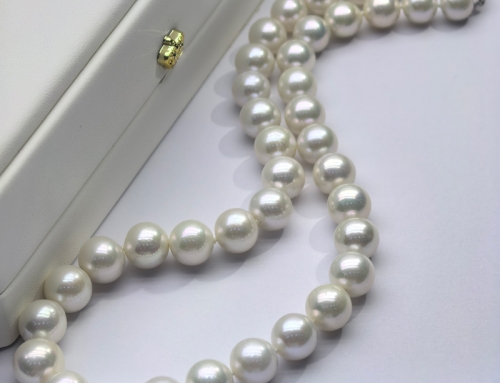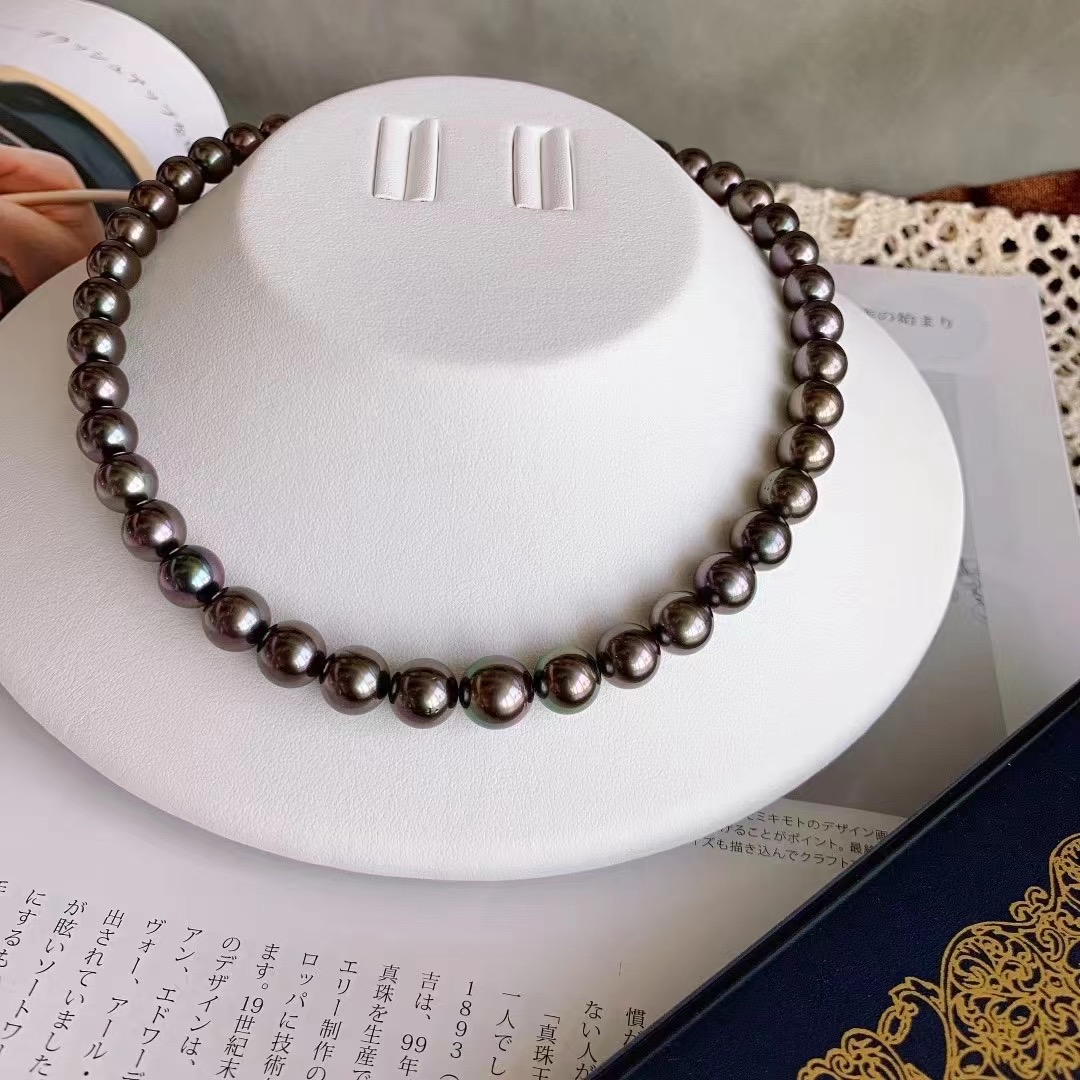
Authenticating a pearl necklace is essential to ensuring its value, quality and authenticity. Whether you have inherited a family heirloom or purchased a new piece, knowing the authenticity of your pearl necklace is crucial for both personal satisfaction and potential resale value. There are several ways to authenticate a pearl necklace, ranging from professional appraisals to home inspections. Consultation with a reputable jeweler or gemologist can provide a detailed report of the pearls’ characteristics, such as size, shape, luster, and surface quality. These experts use specialized equipment and adhere to industry standards to determine whether the pearls are natural, cultured or imitation.
One of the most reliable ways to authenticate a pearl necklace is through the services of a certified gemological laboratory. These laboratories use advanced techniques such as radiography and spectroscopy to analyze the internal structure and composition of pearls. A comprehensive certificate from such a laboratory not only confirms authenticity, but also provides detailed information about the type of pearls, their origin and any treatments they may have undergone. This documentation can be invaluable for insurance purposes and future transactions involving the pearl necklace.
In addition to professional authentication services, there are preliminary steps you can take at home to evaluate your pearl necklace. For example, examining the pearls under natural light can help you judge their luster and surface quality. Genuine pearls typically have a deep, mirror-like luster and may have minor surface imperfections, while imitation pearls often look too perfect and lack depth in their luster. Another simple test is to gently rub the pearls against each other or against your teeth; genuine pearls usually have a slightly gritty texture due to their natural nacre layers, while imitation pearls feel smooth.
While these at-home methods can give you an idea, they are not foolproof and should not be used in place of a professional evaluation. The pearl market is complex, with different types such as Akoya, South Sea, Tahitian and freshwater pearls, each with different characteristics and values. A certified gemologist has the expertise to distinguish between these types and identify any enhancements or treatments that may affect the value of your pearl necklace.
In summary, authenticating a pearl necklace is a multifaceted process that ideally involves both preliminary at-home assessments and professional evaluations. Given the nuances involved in distinguishing natural and cultured pearls from imitations, it is advisable to rely on certified gemological services for an accurate and comprehensive evaluation. Whether for personal peace of mind or financial security, authenticating your pearl necklace ensures that you fully understand its value and can confidently enjoy its beauty and elegance for years to come.