Can You Wear Pearl Earrings in Water?
As a lover of pearls, I often get asked if it is safe to wear pearl earrings in water. The answer isn’t a simple yes or no since it depends on various factors. In this blog post, I will explain the science behind pearls and their reaction to water. I will also discuss the different types of pearls and their durability in water. Lastly, I will provide tips on how to wear pearl earrings in water safely and how to clean them afterward.
What Are Pearls and How Do They React to Water?
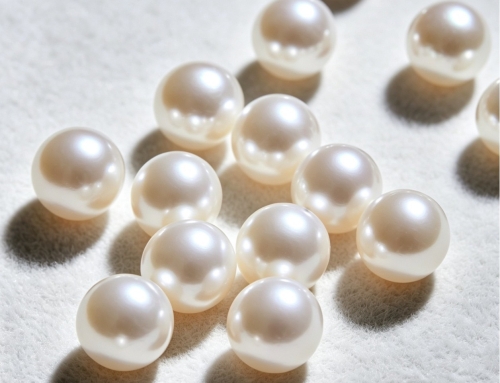
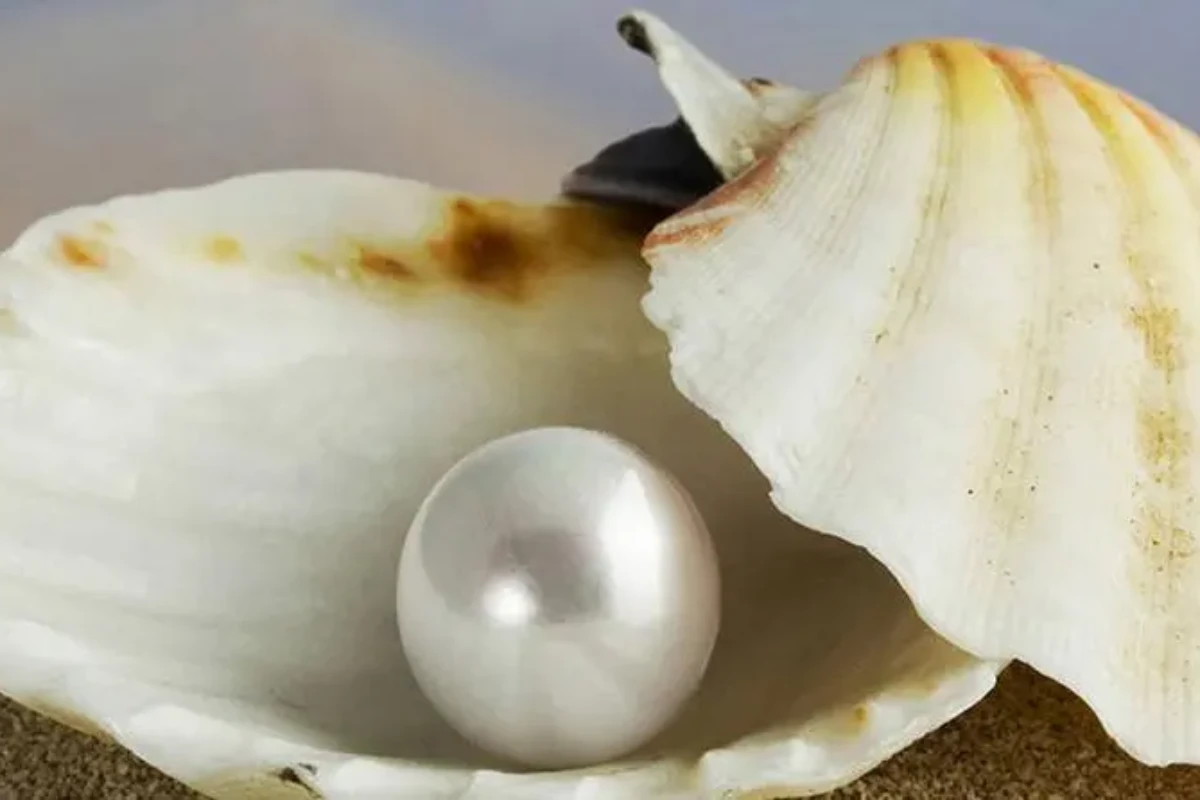
Pearls are organic gems that form inside the shells of certain mollusks such as oysters and mussels. They are formed when an irritant, such as a grain of sand or a piece of tissue, enters the mollusk. The mollusk then secretes nacre, a combination of calcium carbonate and conchiolin, to cover the irritant, creating a pearl.
When pearls come into contact with water, the nacre that covers them can absorb the water. Over time, this can cause the nacre to weaken, and the pearl can lose its luster, color, and shape. Water can also cause the threads that hold the pearls together to weaken or stretch, leading to the pearls falling off the earring.
Types of Pearls and Their Durability in Water
There are several types of pearls, and their durability in water depends on their quality and origin.
Freshwater Pearls
Freshwater pearls are the most common type of pearls and are the most durable in water. They are created by mollusks that live in freshwater, such as rivers or lakes. Freshwater pearls have thick nacre layers that make them resistant to water damage. They are also less expensive than other types of pearls, making them perfect for everyday wear.
Saltwater Pearls
Saltwater pearls are created by mollusks that live in saltwater, such as oceans or seas. They are divided into two categories: Akoya and South Sea pearls. Akoya pearls are known for their round shape and high luster, while South Sea pearls are larger and have a more unique shape. Both types of saltwater pearls are more expensive than freshwater pearls and require more care when it comes to wearing them in water.
Cultured Pearls
Cultured pearls are pearls that are created with the help of humans. They are created by inserting a bead or tissue into the mollusk to stimulate the creation of a pearl. Cultured pearls can be either freshwater or saltwater pearls. They are less expensive than natural pearls and are more readily available. Cultured pearls are also more durable in water since they have thicker nacre layers compared to natural pearls.
Risks Associated with Wearing Pearl Earrings in Water
While some types of pearls are more durable than others, there are still risks associated with wearing pearl earrings in water. The biggest risk is that water can weaken the threads that hold the pearls together. When the threads become weak, the pearls can fall off the earring, leading to loss or damage.
Another risk is that water can cause the nacre to weaken, leading to a loss of luster and color. This is especially true for saltwater pearls, which have thinner nacre layers compared to freshwater pearls.
Lastly, chemicals in the water, such as chlorine or salt, can cause damage to the pearls. Chlorine can cause discoloration, while salt can cause the pearls to lose their luster.
Tips for Wearing Pearl Earrings in Water
While it is not recommended to wear pearl earrings in water, there are ways to minimize the risks associated with it. Here are some tips for wearing pearl earrings in water:
- Choose freshwater pearls since they are the most durable in water
- Use screw-back or lever-back earrings instead of push-backs to ensure the earrings stay secure
- Avoid wearing pearl earrings in chlorinated or saltwater
- Remove your pearl earrings immediately after swimming, and dry them thoroughly with a soft cloth
- Apply a small amount of mineral oil to the pearls to rehydrate the nacre after swimming
How to Clean Pearl Earrings After Being in Water
After wearing pearl earrings in water, it is essential to clean them properly to ensure their longevity. Here are the steps to follow when cleaning pearl earrings after being in water:
- Remove any debris or dirt from the earrings using a soft-bristled brush or cloth.
- Dip a soft cloth in a mixture of lukewarm water and mild soap.
- Wring out the cloth to remove any excess water and gently wipe the earrings.
- Rinse the earrings with clean water and pat them dry with a soft cloth.
- Apply a small amount of mineral oil to the pearls to rehydrate the nacre.
Conclusion
In conclusion, wearing pearl earrings in water is not recommended, but it is possible with the right precautions. Choose freshwater pearls, use secure earring backs, and avoid wearing them in chlorinated or saltwater. After swimming, clean them properly and rehydrate the pearls with mineral oil. By following these tips, you can enjoy your pearl earrings while still keeping them in excellent condition.
Original price was: $599.00.$499.00Current price is: $499.00.
17% Off
Original price was: $499.00.$399.00Current price is: $399.00.
20% Off
-
Original price was: $399.00.$299.00Current price is: $299.00.
25% Off
Price range: $359.00 through $529.00
28% Off