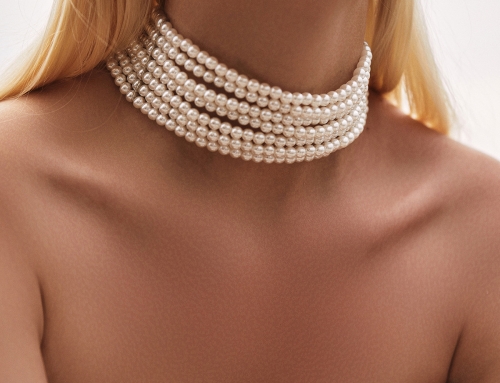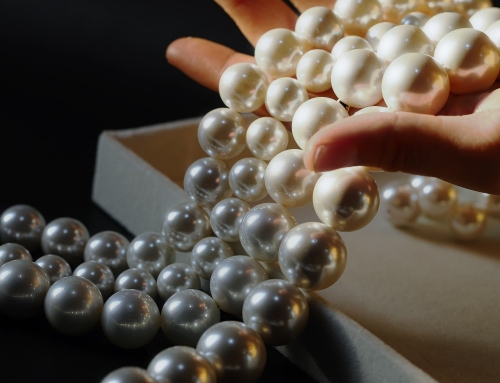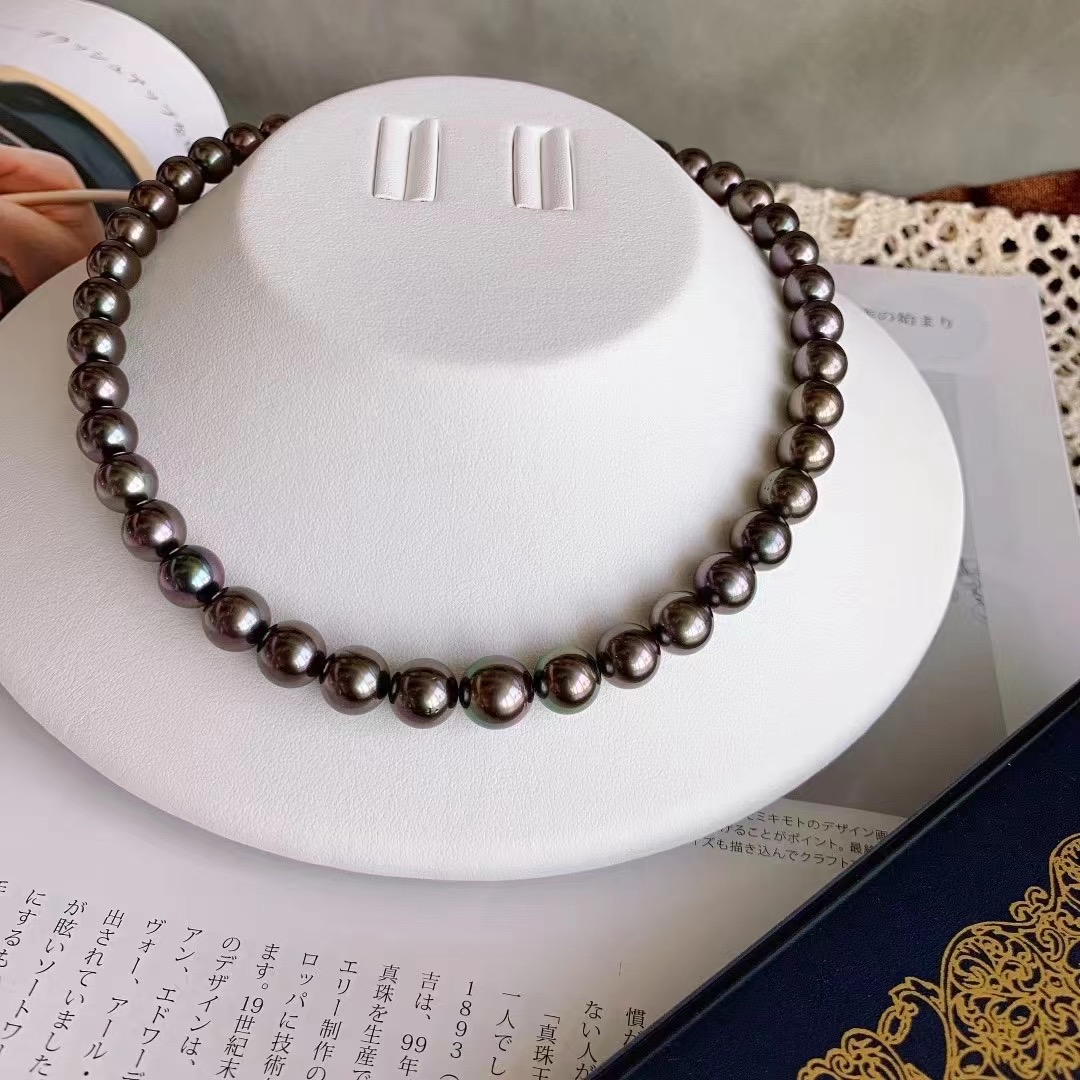
Freshwater and saltwater pearls are both highly valued in the jewelry world, but they differ significantly in their formation, characteristics, and overall appeal. The fundamental difference between freshwater and saltwater pearls lies in their origin. Freshwater pearls are typically cultured from oysters found in rivers, lakes and ponds. Saltwater pearls, on the other hand, are produced by oysters in oceans, seas, and other bodies of salt water. This difference in habitat significantly influences the formation process, resulting in unique characteristics for each type of pearl.
One notable difference between freshwater and saltwater pearls is the composition of the nacre. Freshwater pearls are composed almost entirely of nacre, the substance secreted by the mollusk to form the pearl. This results in a thicker layer of nacre compared to saltwater pearls, which often have a thinner layer of nacre over a nucleus. As a result, freshwater pearls tend to have a more robust and durable structure. On the other hand, the thinner nacre layer of saltwater pearls contributes to their exceptional luster and brilliance. This lustrous quality is highly prized and often makes saltwater pearls more valuable in the marketplace.
The shapes and sizes of freshwater and saltwater pearls also vary significantly. Freshwater pearls typically come in a wider range of shapes, including round, oval, button and baroque. Their diversity is attributed to the fact that multiple pearls can grow simultaneously within a single oyster, resulting in a variety of shapes and sizes. Conversely, saltwater pearls are more likely to be round or near round due to the controlled nature of their cultivation within oysters. The uniformity of shape makes saltwater pearls particularly desirable for creating matching sets of jewelry, such as necklaces and earrings.
Color is another distinction between freshwater and saltwater pearls. Freshwater pearls naturally come in a variety of colors, including white reshwater pearls , pink reshwater pearls , Purple reshwater pearls , and peach. These colors are derived from the specific species of shell used and the conditions of their environment. Saltwater pearls, while also available in a variety of colors including white, black, blue, green, and gold, often owe their hues to the specific species of oyster as well as any post harvest treatments. The rarity of certain colors in saltwater pearls can significantly increase their value.
In terms of cultivation time and cost, freshwater pearls generally require less time to grow than their saltwater counterparts. Freshwater oysters can produce multiple pearls in a relatively short period of time, while saltwater oysters typically produce fewer pearls over a longer period of time. This longer cultivation time contributes to the higher cost of saltwater pearls. In addition, the meticulous care required to cultivate saltwater pearls adds to their overall cost.
In summary, while both freshwater and saltwater pearls have unique charm and beauty, their differences in origin, nacre composition, shape, color and cultivation affect their market value and desirability. Understanding these differences allows consumers and jewelers alike to appreciate the different qualities each type of pearl offers and make informed choices based on their preferences and needs.