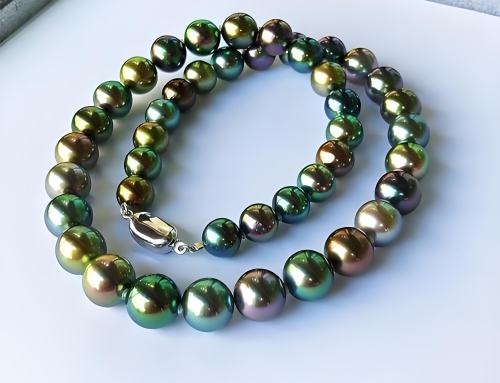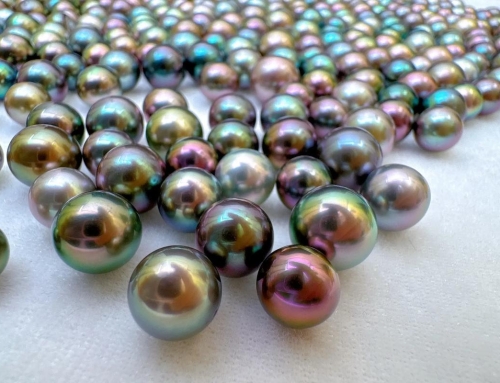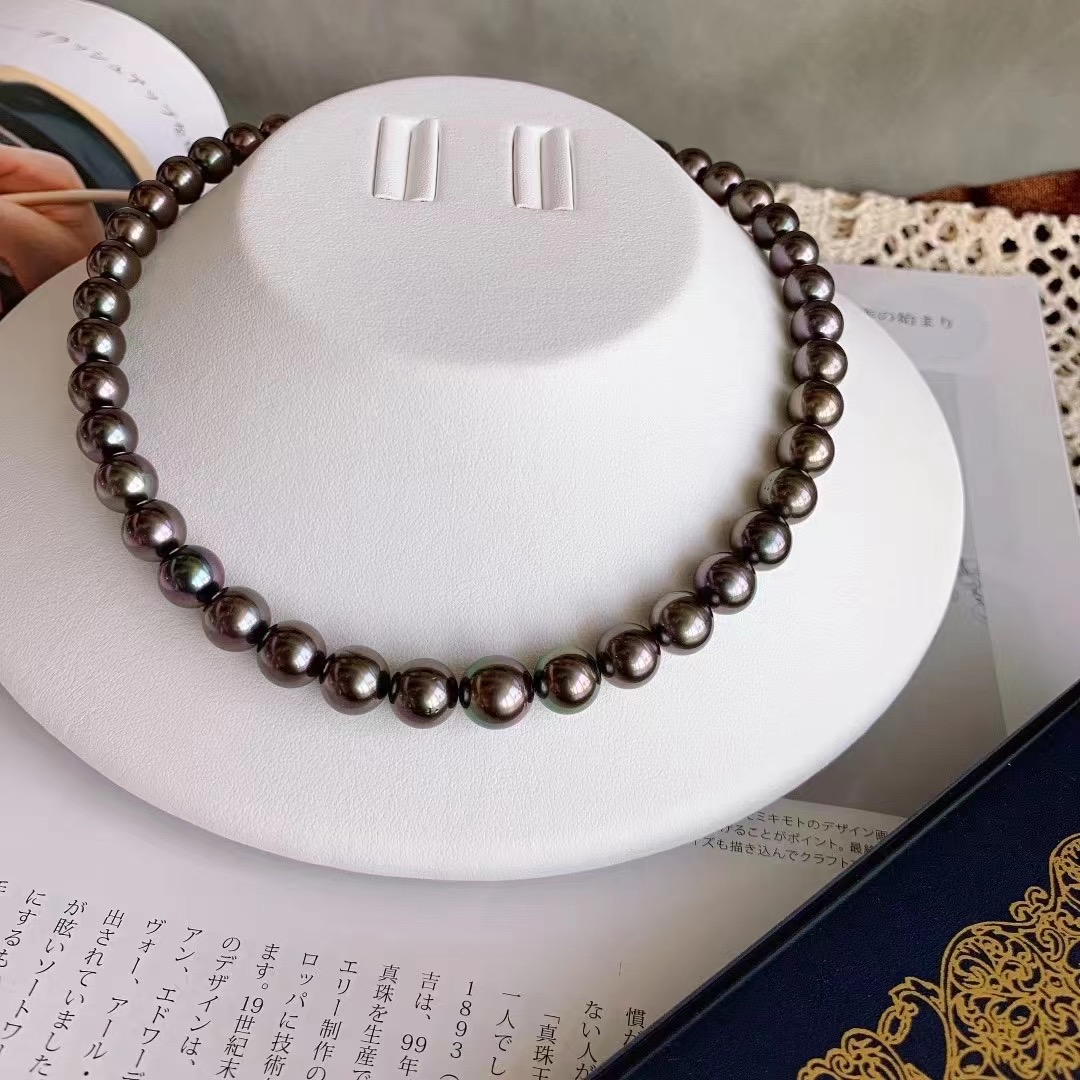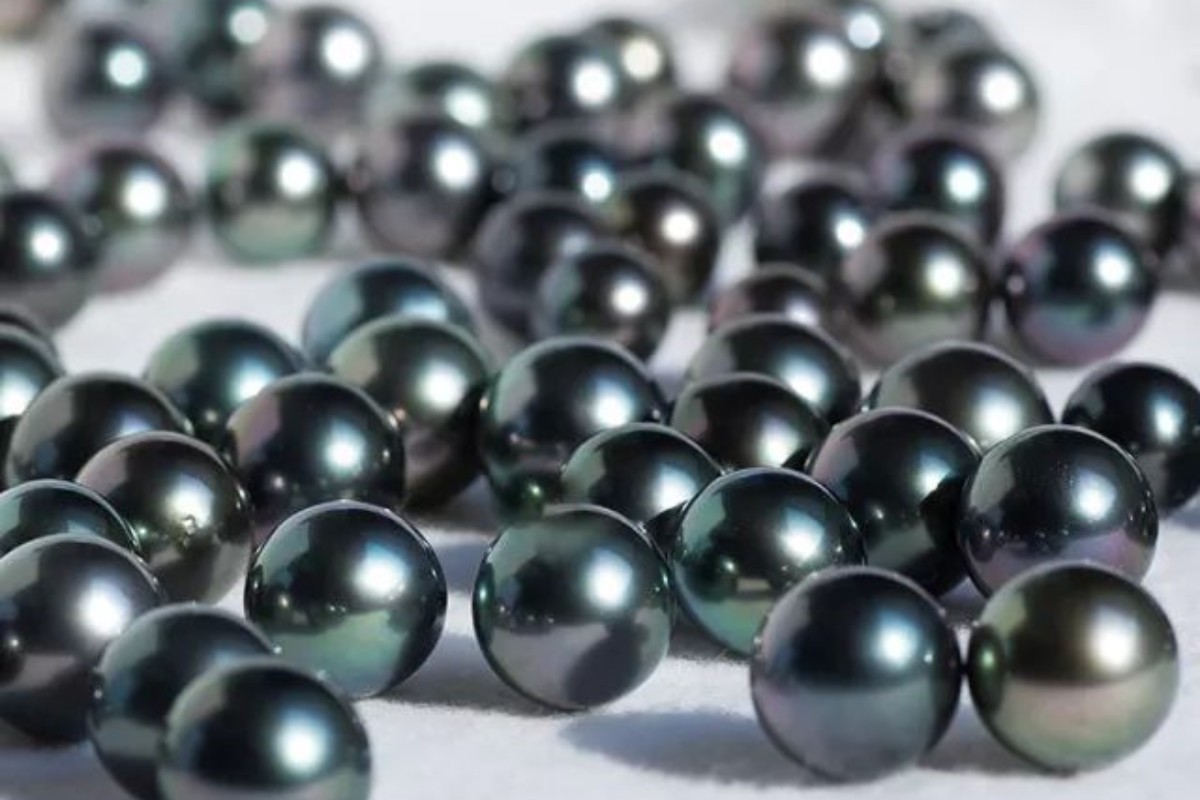
Determining whether black pearls are genuine involves a series of meticulous examinations and tests that focus on evaluating their physical characteristics, origin and quality. Known for their unique appeal and rarity, black pearls are often the subject of imitations and artificial enhancements. The first step in determining the authenticity of a black pearl is to examine its surface. Real black pearls typically have a smooth and lustrous surface with minor imperfections, while imitations may have an overly perfect appearance or visible seams from molding processes. Color variation is also critical; Real black pearls often have subtle green, blue or purple hues that add to their iridescence, while imitations may have a flat, monochromatic color.
Another critical method is the ‘tooth test’. By gently rubbing the pearl against the edge of your teeth, you can feel its texture. Genuine black pearls have a slightly gritty feel due to their natural nacre layers, while imitation pearls usually feel smooth or slippery because they are often made of glass or plastic. In addition, weight and temperature can be telltale signs; Real black pearls tend to be heavier and colder to the touch than their synthetic counterparts.
Professional evaluation methods include radiography and advanced spectroscopy. X-rays can reveal the internal structure of black pearls and differentiate between natural and man-made formations. Natural black pearls have concentric growth rings that indicate organic development within a mollusk, while cultured or artificial pearls may not have such distinct layers. Spectroscopic analysis can further authenticate black pearls by identifying the specific minerals present in natural mother of pearl, which are difficult to perfectly replicate in fakes.
One must also consider the source of purchase. Reputable jewelers and certified gemologists are more likely to offer Real black pearls along with a certificate attesting to their authenticity. They employ rigorous testing standards and adhere to industry regulations designed to protect consumers from fraudulent products. In addition, price can be an indicator; genuine black pearls are relatively expensive due to their rarity and the complex process involved in their formation, cultivation and harvesting.
In conclusion, determining whether black pearls are genuine requires a combination of visual inspection, tactile testing, professional analysis, and consideration of the credibility of the source. By using these various methods, consumers can confidently determine the authenticity of black pearls and ensure that they are investing in real treasures rather than falling prey to imitations. Whether through simple at-home tests or seeking professional verification, it is important to approach the process with thoroughness and attention to detail.