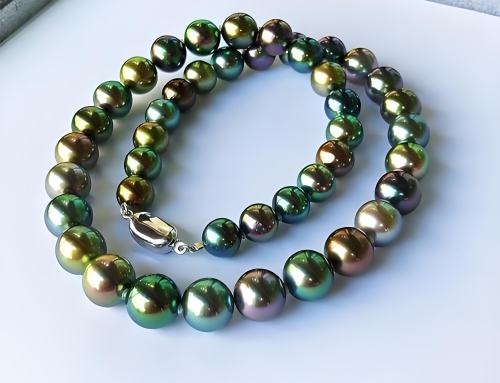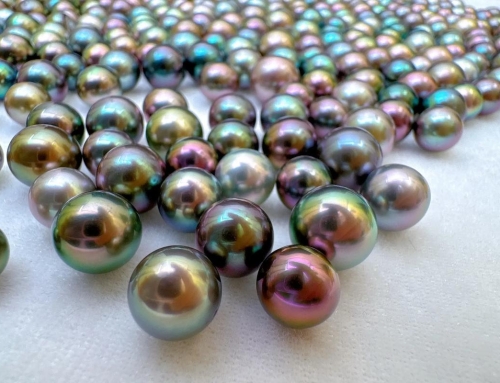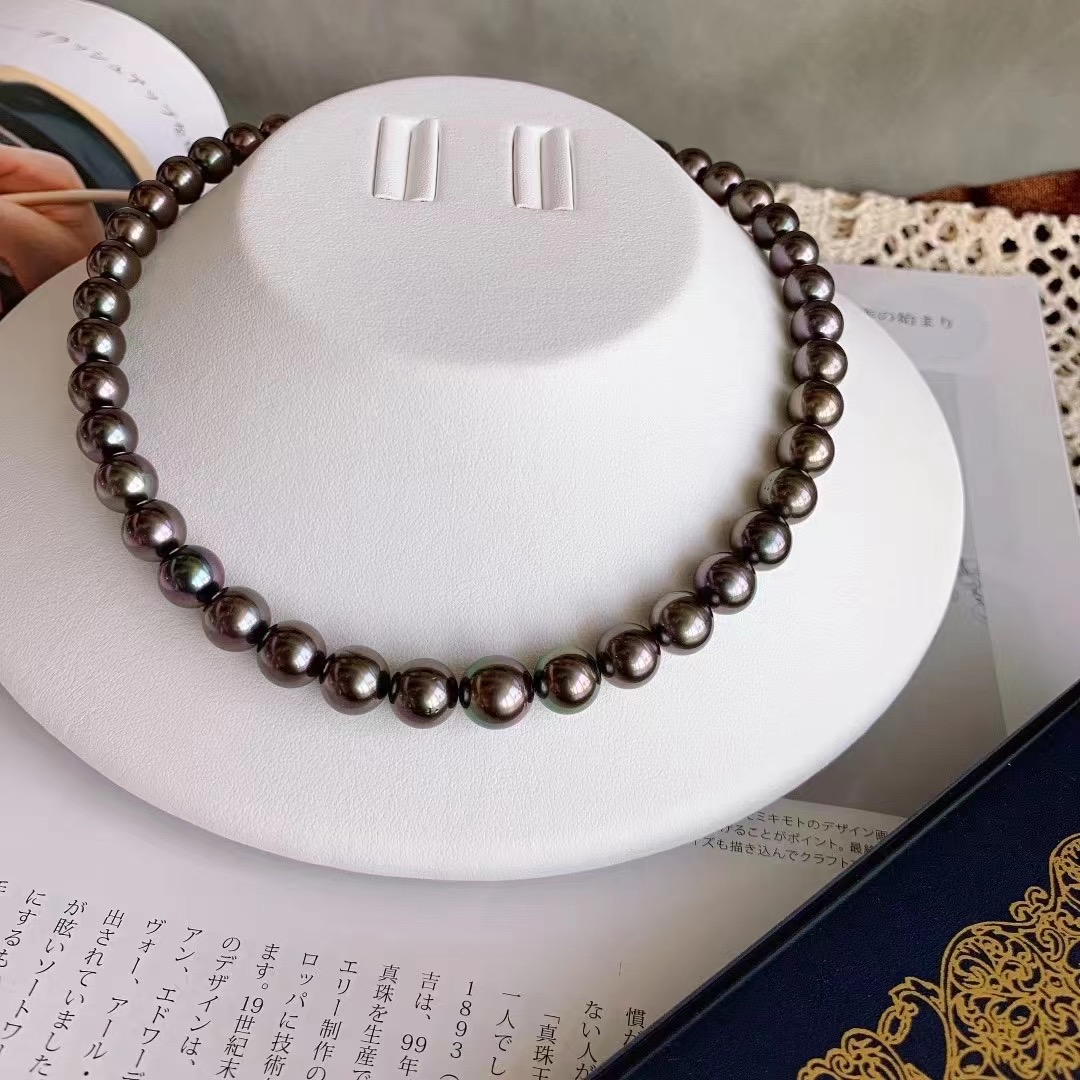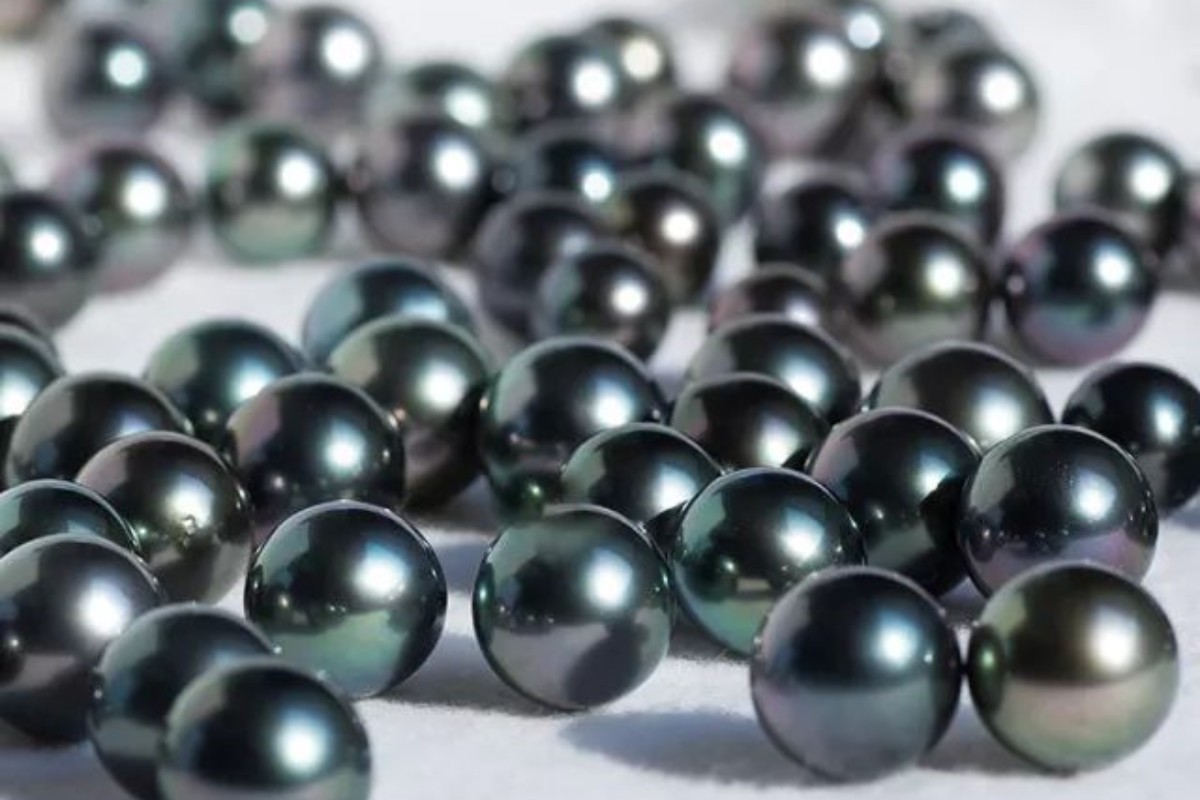
Black pearls, known for their unique and captivating dark hues, are among the most sought-after gemstones in the world. Often referred to as Tahitian pearls, these exquisite pearls come from the black-lipped oyster, scientifically known as Pinctada margaritifera. This particular species of oyster is found primarily in the warm, crystal-clear waters of French Polynesia, particularly around Tahiti, from which the pearls derive their name. The creation of black pearls is a fascinating process that combines both natural and human intervention to produce these lustrous beauties.
The journey to obtain black pearls begins with the cultivation of the black-lipped oyster. In controlled environments called pearl farms, these oysters are meticulously tended to ensure optimal health and growth. The process begins with the careful selection of healthy oysters, which are then nucleated by skilled technicians. Nucleation involves surgically implanting a small pellet and a piece of donor mantle tissue into the oyster. This pellet acts as an irritant, stimulating the oyster to secrete layers of nacre around it, eventually forming a pearl. The entire nucleation process requires precision and expertise to avoid damaging the oyster and ensure successful pearl development.
Once nucleation is complete, the oysters are returned to the ocean or placed in lagoons where they can thrive in their natural habitat. Over time, typically 18 months to several years, the oysters continue to coat the pearl with mother-of-pearl. This extended period is critical because it determines the thickness and quality of the mother-of-pearl, which directly affects the luster and overall value of the black pearls. Water conditions, temperature and nutrient availability play a significant role in this stage, affecting the growth and final appearance of the pearls.
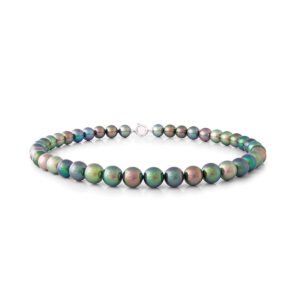
Once sufficient nacre has been deposited, the oysters are carefully harvested by pearl farmers. This harvesting process requires great care to extract the black pearls without harming the oysters, allowing many of them to be re-nucleated for future pearl production. The harvested pearls are then sorted according to size, shape, color, luster and surface quality. Black pearls exhibit a stunning range of colors, from deep black to various hues such as peacock green, eggplant, silver and blue. The rarity and uniqueness of each Tahitian pearl adds to its appeal and value in the gem market.
In summary, the production of black pearls is a complex process that combines scientific knowledge with artisanal skills. From cultivating black-lipped oysters to carefully performing nucleation and ensuring optimal growth conditions, each step is critical to producing these magnificent gems. Tahitian pearls continue to captivate jewelry enthusiasts around the world with their exceptional beauty and elegance. The dedication and expertise required to create them underscore the preciousness of black pearls, making them a symbol of luxury and sophistication.
Tahitian Black Pearls
Renowned for their stunning beauty and unique appeal, Tahitian black pearls are among the most sought-after gems in the world. Unlike traditional white pearls, Tahitian black pearls are cultured from the black-lipped oyster, Pinctada margaritifera, found in the warm, clear waters of French Polynesia. These pearls are renowned not only for their deep, rich hues, but also for their remarkable iridescence, which can display an extraordinary range of colors, including peacock green, eggplant, and even shades of cobalt blue. The striking appearance of Tahitian black pearls makes them a popular choice for sophisticated and elegant jewelry.
The process of cultivating Tahitian black pearls is as intricate as it is fascinating. It begins with the careful selection of oysters capable of producing high-quality pearls. These oysters are then meticulously implanted with a nucleus around which the pearl will form. Over a period of 18 to 24 months, layers of mother-of-pearl are deposited around the nucleus, gradually creating a pearl of radiant luster and vibrant color. This long and delicate process is a testament to the skill and dedication of the region’s pearl farmers. The result is a gemstone that embodies both natural beauty and human craftsmanship.
Tahitian black pearls are prized not only for their aesthetic appeal, but also for their rarity and value. Each pearl is unique, with variations in size, shape and color making each piece one-of-a-kind. This uniqueness, coupled with the labor-intensive cultivation process, contributes to the high market value of these pearls. In addition to their use in jewelry, Tahitian black pearls are often considered a symbol of luxury and sophistication. They have been favored by royalty and celebrities alike, further enhancing their status as a premier gemstone.
In sum, Tahitian black pearls represent a harmonious blend of natural wonder and meticulous artistry. Their unique coloration, captivating luster and rarity make them an outstanding choice for those seeking exceptional pieces of jewelry. As the demand for these exquisite gems continues to grow, Tahitian black pearls remain a timeless embodiment of elegance and opulence in the world of fine jewelry.