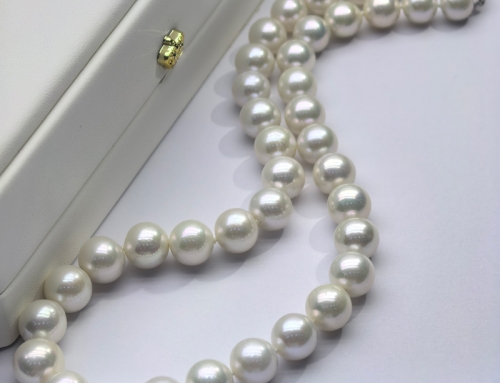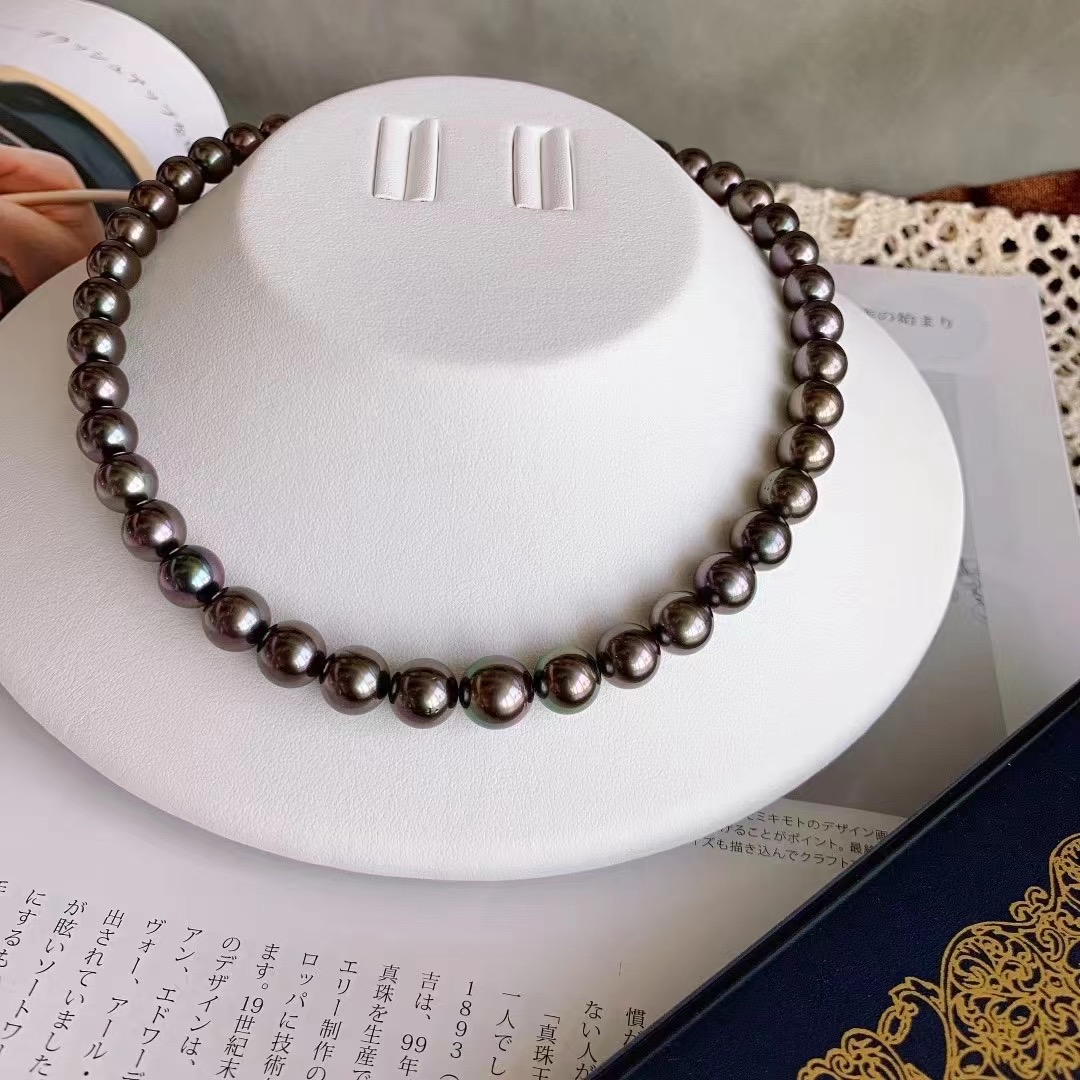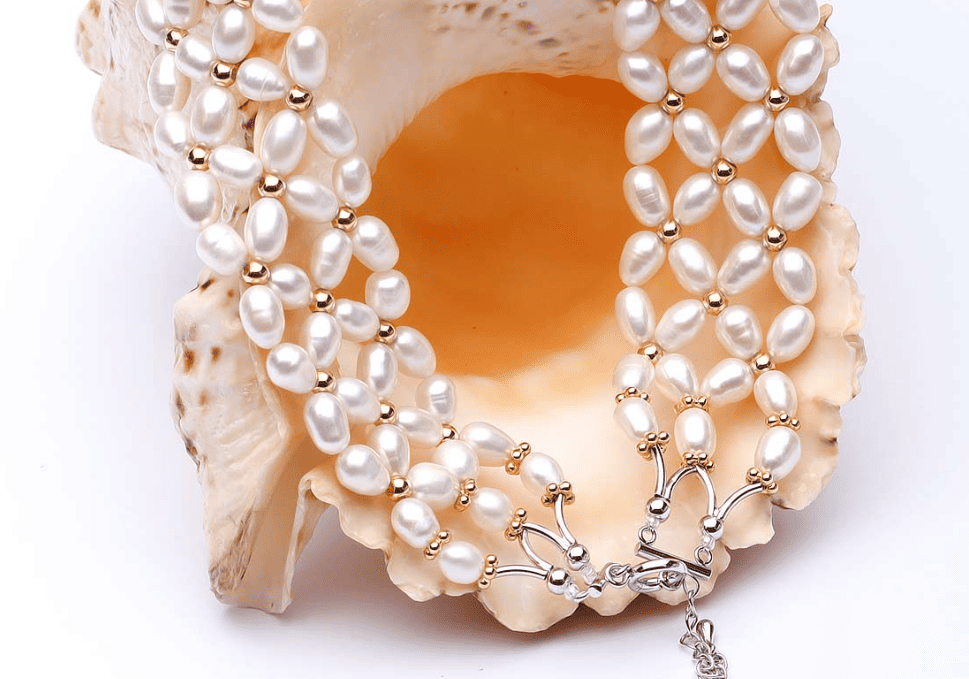
Pearls have long symbolized elegance and sophistication, and their allure remains timeless. Understanding the different types of pearls and their unique characteristics can help you choose the right pieces for your jewelry collection. The primary types of pearls include natural, cultured, freshwater, and saltwater, each with its distinct beauty and qualities.
Natural pearls are rare and often found accidentally during the harvesting of oysters. They form without any human intervention, making them highly prized and usually more expensive. Cultured pearls, on the other hand, are created by deliberately introducing an irritant into a mollusk, allowing the pearl to form. They are more common and are available in various forms, including Akoya, Tahitian, and South Sea pearls.
Freshwater pearls are typically grown in mussels and are known for their wide range of shapes and colors. They tend to be more affordable and versatile. Saltwater pearls, such as Akoya, are usually more lustrous and round, offering a classic look. Understanding these types will aid you in selecting pearls that reflect your personal style and fit your wardrobe.
The Importance of Necklace Length
The length of your pearl necklace can dramatically influence its appearance and how it complements your attire. Different lengths can convey various styles and suit diverse occasions. Understanding these distinctions will help you make an informed choice when choosing the appropriate necklace.
Common necklace lengths include the choker (14-16 inches), princess (17-19 inches), matinee (20-24 inches), opera (28-34 inches), and rope (over 45 inches). A choker length is ideal for accentuating the neckline and works well with evening wear. The princess length, a traditional choice, falls just below the collarbone, making it versatile for both casual and formal outfits.
For a more dramatic effect, consider a matinee or opera length. These options add sophistication and elegance to your ensemble, especially when layered. Longer lengths, like the rope style, allow for versatility, as they can be doubled or knotted for a range of looks. Choosing the right length ensures your necklace complements your style and body type.
How Pearl Size Affects Necklace Aesthetics
Pearl size is a crucial factor in determining the overall aesthetics of your necklace. Larger pearls tend to make a bold statement, while smaller ones offer a subtle elegance. The size should harmonize with the necklace’s length and your personal style preferences.
Pearls typically range from 2mm to over 20mm in diameter. Smaller pearls, around 2-6mm, are delicate and suitable for understated elegance. Medium-sized pearls, ranging from 7-9mm, are versatile and can be worn for various occasions. Larger pearls, above 10mm, are eye-catching and ideal for statement pieces.
Consider your body frame when selecting pearl sizes. Larger pearls can overwhelm petite frames, whereas smaller pearls might not have the desired impact on a taller stature. Balancing pearl size with necklace length and personal style ensures your necklace enhances rather than detracts from your overall look.
Exploring Different Necklace Styles
The style of your pearl necklace can reflect your personality and enhance your outfit. There are numerous styles to choose from, each offering its unique charm. Classic strands, multi-strand necklaces, and pendant styles are popular options that cater to different tastes and occasions.
Classic single-strand pearl necklaces are timeless and versatile, suitable for almost any setting. They can be worn alone for a minimalist look or layered with other pieces for added dimension. Multi-strand necklaces offer a bolder appearance, with multiple layers of pearls creating a fuller, more dramatic effect.
Pendant styles incorporate pearls as focal points, often set with other gemstones or metals. These styles are modern and can be customized to suit personal preferences. Whether you prefer a traditional or contemporary look, selecting the right necklace style allows you to express your individuality through your jewelry.
Finding the Right Balance: How Many Pearls Should Be on Your Necklace?
Determining the number of pearls on your necklace is essential for achieving a balanced and harmonious look. The number depends on the length, size of the pearls, and the intended style. Striking the right balance ensures your necklace appears cohesive and elegant.
For shorter necklaces, such as chokers or princess lengths, fewer pearls are typically required. A single-strand necklace may contain 40 to 50 pearls, depending on the pearl size. Longer lengths, like matinee or opera, can accommodate more pearls, often ranging from 60 to 100 or more.
Consider the overall design and style when determining the number of pearls. A minimalist style might require fewer pearls for a subtle effect, while a more elaborate design may incorporate additional pearls for added impact. Balancing these elements ensures your necklace is stylish and well-proportioned.
Matching Pearl Size with Necklace Length
Matching the pearl size with the necklace length is vital for a cohesive and flattering appearance. The relationship between these elements can enhance your overall look, creating harmony between the pearls and the length of the necklace.
For shorter necklaces, smaller to medium-sized pearls are often ideal. This combination maintains a delicate balance and ensures the necklace does not appear too heavy. As the necklace length increases, larger pearls can be incorporated to create a more pronounced effect.
Consider the occasion and your personal style when matching pearl size with necklace length. For everyday wear, a simpler design with smaller pearls may be more suitable. For formal events, larger pearls on a longer necklace can create a dramatic and sophisticated look. Thoughtfully pairing these elements ensures your necklace is both aesthetically pleasing and appropriate for the occasion.
The Role of Occasion in Necklace Design
The occasion plays a significant role in choosing the design of your pearl necklace. Different events may require varying levels of elegance and sophistication, influencing the style, length, and size of the pearls you select.
For casual outings, a simple single-strand necklace with small to medium-sized pearls can add a touch of elegance without being overly formal. These versatile pieces can easily transition from day to night, complementing a range of outfits.
For formal events, such as weddings or galas, a more elaborate design may be appropriate. Consider multi-strand necklaces or those with larger pearls to create a statement piece. The length can also be adjusted to suit the formality, with longer necklaces adding a touch of sophistication to evening wear.
Caring for Your Pearl Necklace
Proper care is essential to maintain the beauty and longevity of your pearl necklace. Pearls are delicate and require specific attention to preserve their luster and prevent damage. Following these guidelines will ensure your pearls remain pristine for years to come.
Pearls should be stored separately from other jewelry to avoid scratches and abrasions. Use a soft pouch or lined jewelry box to protect them. Avoid exposing pearls to harsh chemicals, such as perfumes or hairsprays, which can damage their surface. Always put on your pearls last when dressing and remove them first when undressing.
Regular cleaning is important to maintain their shine. Gently wipe the pearls with a soft, damp cloth after wearing them to remove any oils or dirt. For a deeper clean, use a mild soap solution and rinse thoroughly. Avoid using ultrasonic cleaners or steamers, as these can harm the pearls. With proper care, your pearl necklace will retain its beauty and elegance.
Popular Trends in Pearl Necklaces
Pearl necklaces continue to be a popular choice in the fashion world, with evolving trends that reflect modern tastes. Staying updated on these trends can help you select a piece that is both stylish and timeless.
Layering is a prominent trend, with multiple strands of varying lengths and pearl sizes worn together to create a dynamic look. This style allows for creativity and personalization, as you can mix different types of pearls or incorporate other materials.
Baroque pearls, known for their irregular shapes, are gaining popularity for their uniqueness and individuality. These pearls add an artistic flair to any necklace and are ideal for those seeking a distinctive piece. Additionally, incorporating colored pearls, such as black Tahitian or golden South Sea pearls, can add a contemporary twist to classic designs.
Conclusion: Crafting Your Ideal Pearl Necklace
Crafting your ideal pearl necklace involves understanding the intricate balance between pearl types, sizes, lengths, and styles. By considering these elements and how they relate to your personal style and occasions, you can create a piece that is not only beautiful but also meaningful.
Remember to match the pearl size with the necklace length for a cohesive look, and consider the occasion when selecting the design. Proper care is crucial to maintaining the pearls’ beauty and ensuring they remain a cherished part of your collection.
As you explore the world of pearls, embrace the trends that resonate with you and reflect your individuality. Whether you opt for a classic strand or a modern design, your pearl necklace should be a reflection of your unique style.
Call to Action
Ready to discover the perfect pearl necklace for you? Explore our collection today and find a piece that captures your essence and style. Whether you are drawn to timeless classics or contemporary designs, our selection offers something for everyone. Start your journey with pearls and elevate your jewelry collection to new heights!