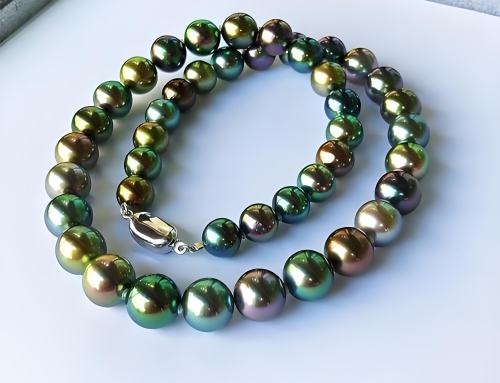
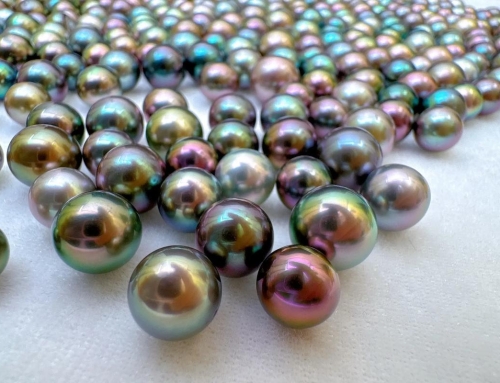
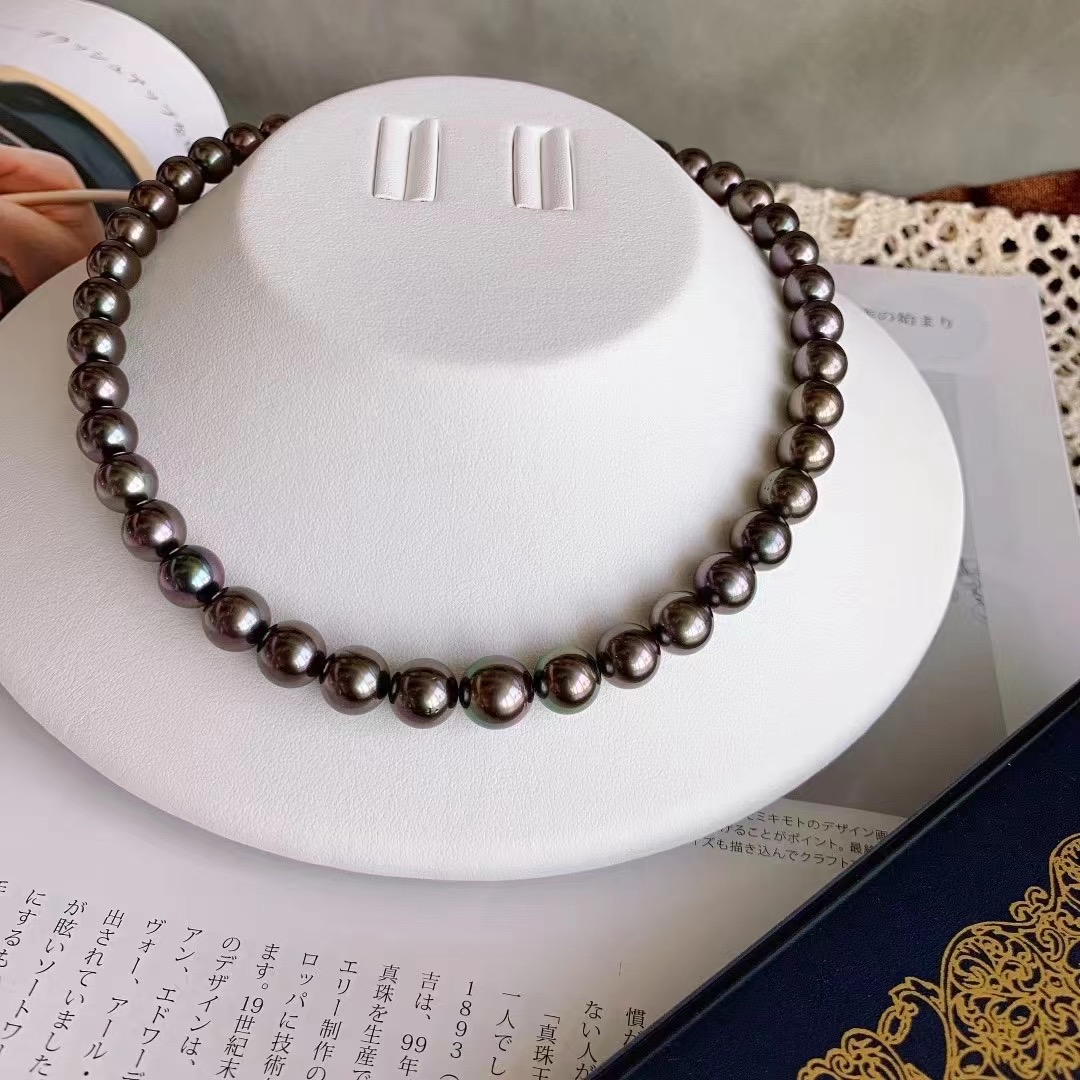
The allure and mystique of black pearls has captivated jewelry enthusiasts and collectors for centuries. These exquisite gems, formed in the black-lipped oyster, are known for their deep, dark hues, ranging from jet black to shades of green, blue or even purple. The value of a black pearl is determined by several factors, including its size, shape, surface quality, luster and color. Unlike their more common white counterparts, black pearls are rarer, and this rarity has a significant impact on their market value. On average, a black pearl can be worth anywhere from $200 to over $30,000 per piece, depending on its specific characteristics.
One of the most important factors affecting the value of a black pearl is its size. In general, larger black pearls are more valuable because they require more time and care to form. For example, a 10mm black pearl might be worth around $500, while a larger 14mm pearl could command prices in the thousands. The shape of the pearl also plays an important role in determining its value. Perfectly round black pearls are considered the most desirable and therefore command higher prices. However, baroque or uniquely shaped black pearls can also be highly valued by collectors who appreciate their uniqueness.
Surface quality and luster also have a significant impact on the value of a black pearl. Pearls with fewer flaws and a smooth surface are more valuable. High luster, which refers to the pearl’s ability to reflect light vividly, can significantly increase the value of a black pearl. A lustrous black pearl with minimal imperfections is often considered more desirable and can be worth significantly more than one with visible flaws or a dull appearance.
Color is another critical element in assessing the value of a black pearl. While the term “black pearl” suggests a uniform color, these pearls can have a variety of hues, including peacock green, eggplant, silver green, and more. Pearls with rich, vibrant colors and unique hues tend to be highly sought after and can command premium prices in the marketplace.
In addition to these physical characteristics, the source of the black pearl also influences its value. Tahitian black pearls are among the most famous and are typically associated with high quality and value due to the strict farming practices in French Polynesia. Other sources include Fiji and the Cook Islands, where similarly high standards are maintained.
Ultimately, determining the value of a black pearl requires a careful evaluation of these combined factors by experienced gemologists and appraisers. Collectors and buyers must consider each aspect to determine the true value of these captivating gems. The intricate interplay of size, shape, surface quality, luster, color and provenance makes each black pearl unique and contributes to its overall market value.