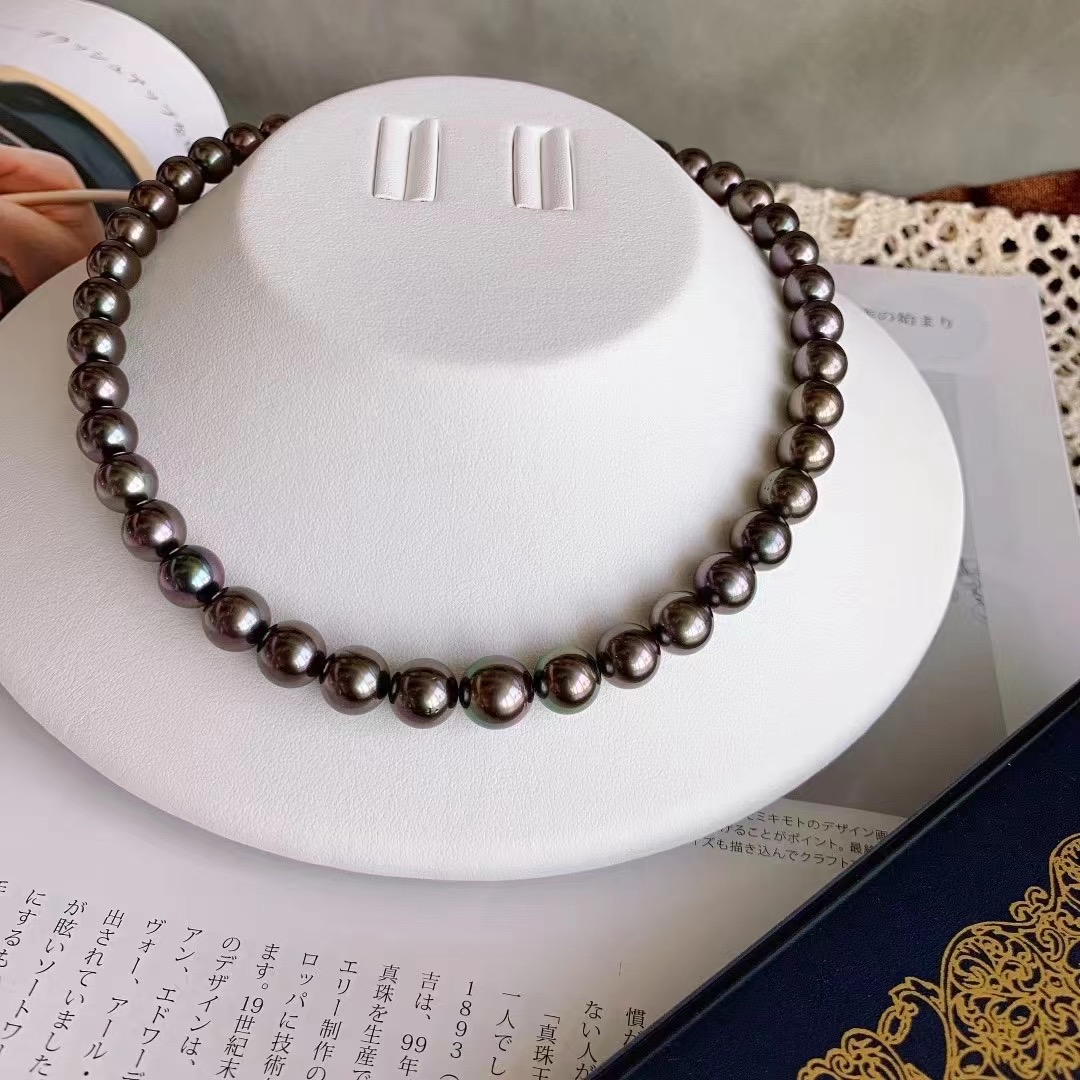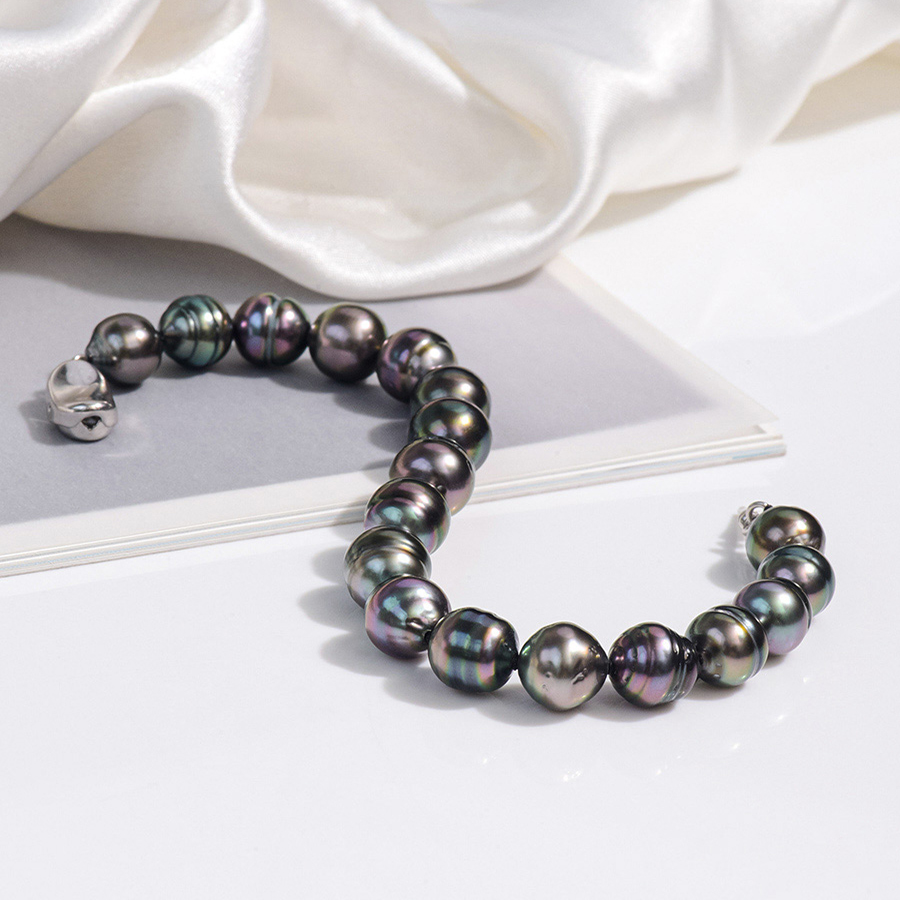
Black pearls are among the most exquisite and sought-after gemstones in the world, known for their unique and captivating appeal. Their rarity is due to both natural and cultural factors, making them a symbol of luxury and sophistication. Unlike traditional white pearls, black pearls are found primarily in the waters of Tahiti and are produced by the black-lipped oyster, Pinctada margaritifera. The process of cultivating these gems is complex and time-consuming, which contributes to their scarcity. In addition, not every black-lipped oyster produces a black pearl, and of those that do, only a small percentage achieve the high-quality luster and color variance desired by the jewelry market.
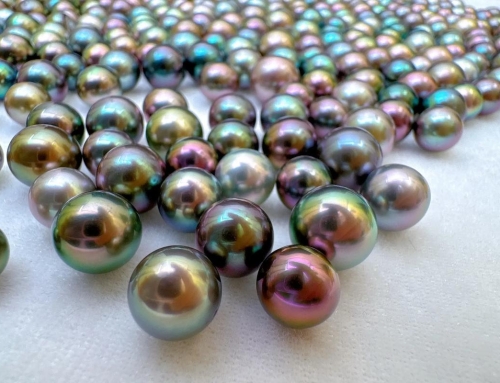
The rarity of black pearls is accentuated by their distinctive coloration, which can range from deep black to shades of green, blue, purple and even silver. This iridescence is caused by the layers of nacre within the pearl, which reflect light in different shades depending on the thickness and structure of these layers. Such a natural phenomenon is rare, contributing to the overall perception of black pearls as rare treasures. In addition, the environmental conditions required to produce these gems are stringent; black-lipped oysters thrive only in specific marine habitats with clean water and optimal temperatures. Any disturbance to these ecosystems can severely impact the production of high-quality black pearls.
Cultivation techniques have been developed to increase the availability of black pearls, but they remain rare due to the meticulous care and precision required in pearl farming. Each oyster must be carefully nurtured for several years to produce a single pearl, and even then there is no guarantee that the resulting gem will meet the standards of size, shape, color and luster that jewelers and collectors consider valuable. This unpredictability underscores how rare black pearls are compared to other types of pearls.
From a cultural perspective, black pearls have been revered throughout history for their mysterious beauty and symbolic meanings. In various traditions, they are associated with wisdom, prosperity and protection. This cultural significance adds to their desirability and perceived value, reinforcing their status as rare jewels. Collectors and connoisseurs often seek them not only for their aesthetic qualities, but also for their historical and symbolic significance.
In summary, black pearls are rare gems, prized for their unique beauty and complex genesis. Their rarity is due to the specific environmental conditions required for their formation, the natural variability in quality among the pearls produced, and their deep-rooted cultural significance. Whether set in fine jewelry or collected as stand-alone treasures, black pearls continue to captivate those who appreciate their unique charm and profound allure. The combination of natural scarcity and human reverence ensures that black pearls remain a coveted asset in the gemstone world.