For centuries, pearl necklaces have captivated the hearts of jewelry enthusiasts and fashion connoisseurs alike. These lustrous gems, born from the depths of our oceans and freshwater bodies, carry with them an air of timeless elegance and sophistication. But have you ever wondered about the true worth of these exquisite pieces? What factors influence the value of a 20 inch pearl necklace, and how can you determine if you’re getting a fair deal? Join us as we embark on a fascinating journey through the world of pearl valuation, uncovering the secrets behind these precious oceanic treasures.
From the moment you clasp a pearl necklace around your neck, you’re not just adorning yourself with jewelry; you’re embracing a piece of natural artistry, carefully cultivated and crafted to perfection. Whether you’re a seasoned collector or a first-time buyer, understanding the intricacies of pearl valuation will empower you to make informed decisions and appreciate the true worth of these magnificent gems.
In this comprehensive guide, we’ll delve into the various factors that influence pearl value, explore different types of pearls and their unique characteristics, and provide you with insider tips on how to assess the worth of your pearl jewelry. So, let’s dive in and unravel the mysteries behind the allure and value of pearl necklaces!
Understanding Pearl Formation and Types
The journey of a pearl begins in the most unexpected of places – within the soft tissue of a living mollusk. These remarkable creatures, through a process that’s both natural and mysterious, transform an irritant into a thing of beauty. But not all pearls are created equal, and understanding the different types is crucial in determining their value.
The Natural vs. Cultured Pearl Debate
When it comes to pearl formation, there are two main categories: natural and cultured. Natural pearls are incredibly rare, forming without any human intervention when an irritant, such as a grain of sand, enters the mollusk. The creature, in an attempt to protect itself, coats the intruder with layer upon layer of nacre, eventually creating a pearl.
Cultured pearls, on the other hand, are the result of human ingenuity. Pearl farmers carefully insert a small piece of mantle tissue or a bead into the mollusk, initiating the pearl-forming process. While both types are genuine pearls, their rarity and formation process significantly impact their value.
Natural pearls, due to their extreme scarcity, often command astronomical prices. A single strand of natural pearls can fetch millions at auction. However, it’s worth noting that nearly all pearls available in the market today are cultured, as natural pearl beds have been largely depleted.
Saltwater vs. Freshwater Pearls
Another important distinction in the pearl world is between saltwater and freshwater pearls. Saltwater pearls, as the name suggests, are cultivated in oysters in the ocean. These include the prestigious Akoya pearls, known for their perfectly round shape and brilliant luster, as well as the larger South Sea pearls and the exotic Tahitian pearls.
Freshwater pearls, on the other hand, are grown in mussels in lakes and rivers, primarily in China. These pearls come in a wide variety of shapes and colors and are generally more affordable than their saltwater counterparts. However, recent advancements in freshwater pearl cultivation have resulted in higher quality gems that can rival saltwater pearls in beauty and value.
The Allure of Different Pearl Types
Each type of pearl has its own unique characteristics that contribute to its value and appeal:
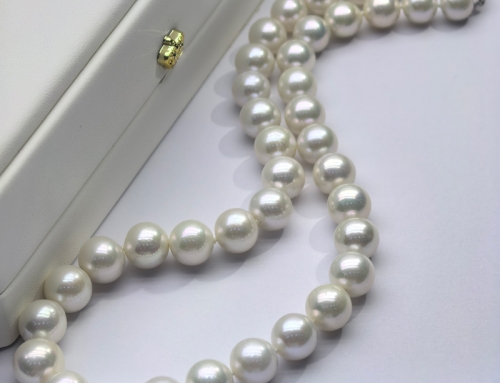
- Akoya Pearls: Often considered the classic pearl, Akoya pearls are known for their perfectly round shape, high luster, and white or cream color. A 20 inch Akoya pearl necklace made of high-quality Akoya pearls can be a valuable investment piece.
- South Sea Pearls: These are the largest cultured pearls available, ranging from 8mm to 20mm in size. They come in white, cream, and golden hues and are prized for their satiny luster and rarity.
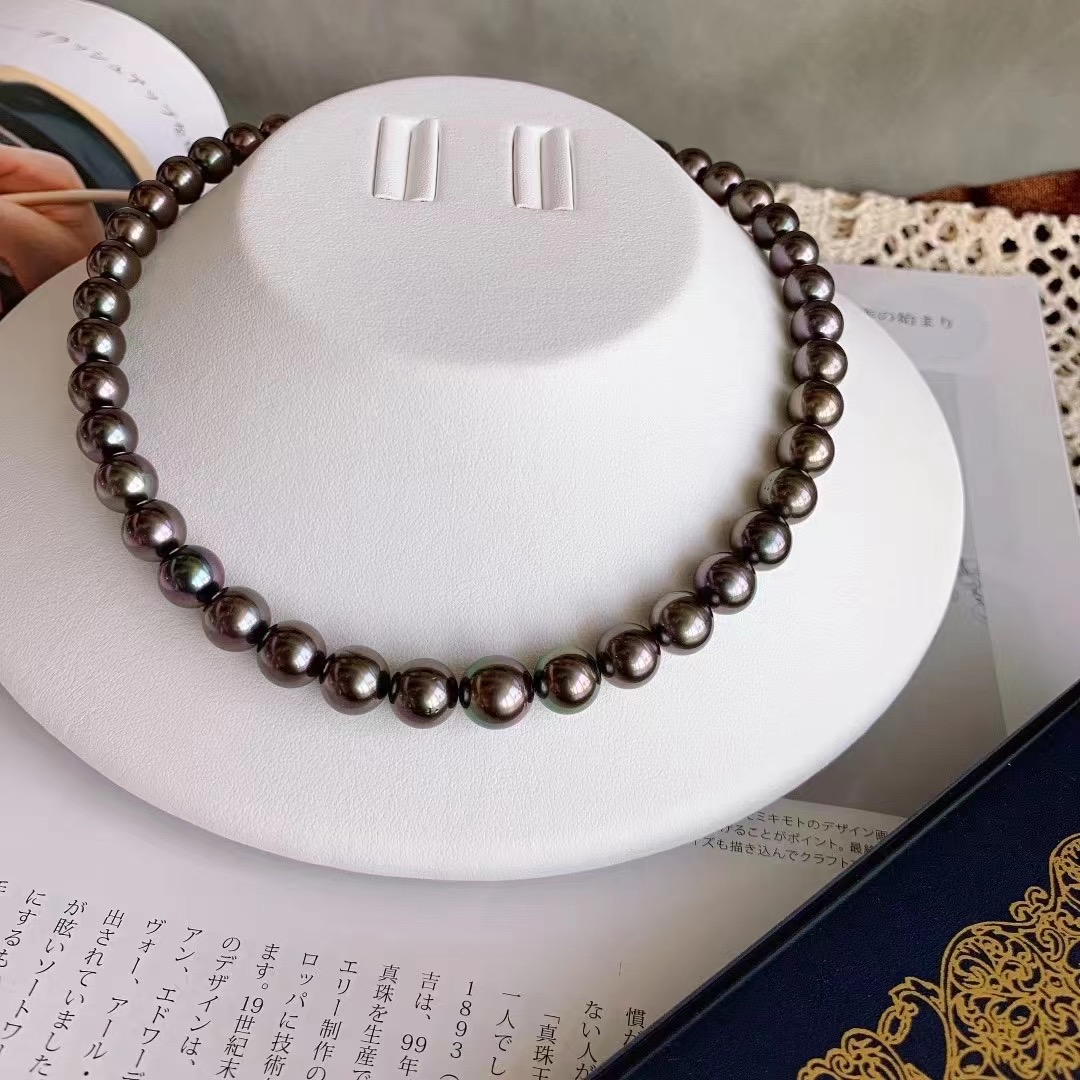
- Tahitian Pearls: Often referred to as “black pearls,” Tahitian pearls actually come in a range of dark colors, including peacock green, aubergine, and graphite. Their exotic colors and large size make them highly sought after.
- Freshwater Pearls: These versatile pearls come in a wide range of colors and shapes. While traditionally less valuable than saltwater pearls, high-quality freshwater pearls, such as the large, round Edison pearls, can command impressive prices.
Understanding these different types of pearls is the first step in appreciating their value. As we delve deeper into the factors that influence pearl worth, keep in mind that each type has its own unique standards of quality and value.
Factors Influencing Pearl Value
When it comes to determining the worth of a pearl necklace, several key factors come into play. These elements not only contribute to the pearl’s beauty but also significantly impact its market value. Let’s explore these crucial aspects in detail.
Size Matters: The Impact of Pearl Dimensions
In the world of pearls, size does matter. Generally, larger pearls are more valuable than smaller ones of the same type and quality. This is because larger pearls take longer to form and are rarer. For instance, a 20 inch pearl necklace featuring large 10mm pearls would typically be more valuable than one with 7mm pearls, all other factors being equal.
However, it’s important to note that size preferences can vary depending on the type of pearl and current fashion trends. For example, while larger South Sea pearls are highly prized, Akoya pearls are often preferred in more modest sizes for their classic elegance.
The Rainbow of Pearl Colors
Pearl color is another crucial factor in determining value. Pearls come in a stunning array of natural colors, from classic white and cream to exotic blacks, golds, and lavenders. The value of a particular color often depends on its rarity and current market demand.
- White Pearls: Classic and versatile, white pearls are always in demand. High-quality white pearls with excellent luster can command premium prices.
- Golden Pearls: Natural golden South Sea pearls are among the most valuable due to their rarity and unique color.
- Black Pearls: Tahitian black pearls, with their dark, mysterious hues, are highly sought after for their exotic appeal.
- Pink Pearls: Natural pink pearls, whether freshwater or saltwater, can be quite valuable due to their rarity and feminine allure.
- Purple Pearls: Lavender or purple pearls, often found in freshwater varieties, have gained popularity in recent years.
It’s worth noting that some pearls are treated to enhance or change their color. While these treatments can produce beautiful results, natural color pearls are generally more valuable.
The Importance of Luster and Surface Quality
Luster, the way light reflects off a pearl’s surface, is perhaps the most important factor in determining a pearl’s beauty and value. High-quality pearls have a sharp, mirror-like luster where you can see your reflection clearly. Pearls with excellent luster appear to glow from within and have a three-dimensional depth to their shine.
Surface quality is closely related to luster. The smoother and cleaner the surface of a pearl, the more valuable it is. While it’s rare to find a completely flawless pearl, those with minimal surface imperfections such as spots, bumps, or wrinkles are more desirable and valuable.
Shape: From Perfect Spheres to Baroque Beauties
Traditionally, perfectly round pearls have been considered the most valuable. A strand of perfectly matched round pearls is a rare and precious find. However, the appeal of other shapes has grown in recent years:
- Near-Round: Slightly off-round pearls can offer excellent value, as they appear round to the naked eye but are less expensive than perfectly round pearls.
- Oval and Drop: These symmetrical shapes are popular for pendants and earrings.
- Baroque: Irregularly shaped pearls, once considered less valuable, are now prized for their unique character and often feature in designer jewelry.
The Nacre Factor: Thickness and Quality
Nacre is the substance that gives pearls their beauty and luster. In cultured pearls, the thickness and quality of the nacre layer are crucial to the pearl’s value. Pearls with thick, high-quality nacre not only have better luster but are also more durable, making them a better long-term investment.
Matching: The Art of Creating a Harmonious Strand
For pearl necklaces, the matching of individual pearls is a critical factor in determining value. A 20 inch pearl necklace where all the pearls are well-matched in terms of size, shape, color, and luster will be more valuable than one with noticeable variations. The skill required to assemble a perfectly matched strand of pearls adds significantly to its worth.
Understanding these factors will help you appreciate the true value of pearl jewelry. Whether you’re admiring a classic strand of white Akoya pearls or a statement necklace featuring exotic Tahitian pearls, you’ll now have a deeper understanding of what makes each piece unique and valuable.
The Value Spectrum: From Affordable to Astronomical
When it comes to pearl necklaces, the price range is as varied as the pearls themselves. From modest freshwater pearl strands to rare natural pearl necklaces that fetch millions at auction, there’s a pearl necklace for every budget and occasion. Let’s explore the value spectrum of pearl necklaces and what you can expect at different price points.
Entry-Level Elegance: Affordable Pearl Necklaces
At the more accessible end of the spectrum, you’ll find freshwater pearl necklaces. These offer an excellent introduction to the world of pearls, providing beauty and elegance at a more modest price point. A 20 inch pearl necklace made of good-quality freshwater pearls can range from $100 to $1000, depending on the size and quality of the pearls.
These necklaces often feature pearls in the 6-8mm range and can come in a variety of natural pastel colors. While they may not have the perfect roundness or intense luster of higher-end pearls, a well-chosen freshwater pearl necklace can be a beautiful and versatile addition to any jewelry collection.
Mid-Range Marvels: Quality and Value
Moving up the value scale, we encounter high-quality freshwater pearls and Akoya pearls. A 20 inch pearl necklace in this category might range from $1000 to $5000. These necklaces typically feature pearls with better luster, smoother surfaces, and more consistent shapes.
In this range, you might find:
- Premium freshwater pearls, including large, round Edison pearls
- Classic Akoya pearl necklaces with 7-8mm pearls
- Well-matched strands with excellent luster and minimal surface imperfections
These necklaces offer a noticeable step up in quality and are often chosen for special occasions or as investment pieces.
High-End Luxury: South Sea and Tahitian Pearls
For those seeking the pinnacle of cultured pearl luxury, South Sea and Tahitian pearl necklaces represent the cream of the crop. A 20 inch pearl necklace featuring these prestigious pearls can range from $5000 to well over $100,000.
South Sea pearls, both white and golden, are prized for their large size (typically 10-15mm) and satiny luster. Tahitian pearls, with their exotic dark colors, command similarly high prices. At this level, you can expect:
- Excellent matching in size, shape, and color
- Superior luster and minimal surface imperfections
- Large pearl sizes, often 10mm and above
- Rare and desirable colors, such as deep golden South Sea pearls or peacock Tahitian pearls
These necklaces are often considered heirloom pieces, treasured for generations.
The Pinnacle of Pearl Value: Natural and Rare Specimens
At the very top of the value spectrum are natural pearls and exceptionally rare or historical specimens. These pearls can command astronomical prices, often selling for millions at auction. For example:
- In 2018, a natural pearl pendant owned by Marie Antoinette sold for $36 million.
- The La Peregrina pearl, once owned by Elizabeth Taylor, sold for $11.8 million in 2011.
While these examples are extreme, they illustrate the incredible value placed on rare and historically significant pearls.
Investment Potential: Pearls as a Store of Value
While not all pearl necklaces will appreciate dramatically in value, high-quality pearls have shown good investment potential over time. Factors that contribute to a pearl necklace’s investment value include:
- Rarity: Exceptional specimens or pearls from depleted sources may increase in value.
- Quality: Pearls with excellent luster, thick nacre, and minimal surface imperfections tend to retain their value better.
- Provenance: Pearls with interesting histories or previous famous owners can command premium prices.
- Market trends: Like all luxury goods, pearl values can be influenced by fashion trends and market demand.
When considering a pearl necklace as an investment, it’s important to focus on quality and to purchase from reputable sources. A 20 inch pearl necklace of high-quality South Sea or Tahitian pearls, for instance, could be a beautiful piece to wear now and a potential store of value for the future.
Understanding this value spectrum can help you make informed decisions when purchasing pearl jewelry. Whether you’re looking for an affordable piece for everyday wear or a luxurious statement necklace, there’s a pearl necklace to suit every taste and budget.
Assessing Pearl Quality: A Buyer’s Guide
When shopping for a pearl necklace, knowing how to assess pearl quality can help you make an informed decision and ensure you’re getting good value for your money. While professional grading requires specialized equipment and expertise, there are several aspects that even a novice buyer can evaluate. Let’s explore how you can assess the quality of pearls when considering a purchase.
The Five S’s of Pearl Quality
Gemologists often refer to the “Five S’s” when evaluating pearls: Size, Shape, Shade (color), Shine (luster), and Surface quality. Let’s break these down:
- Size: Measure the pearl’s diameter in millimeters. Remember, larger pearls are generally more valuable, but size preferences can vary by pearl type.
- Shape: Examine the pearl’s shape. Is it perfectly round, near-round, oval, or baroque? Round pearls are traditionally most valuable, but other shapes can also be desirable.
- Shade (Color): Look at the pearl’s body color and any overtones. Natural colors are more valuable than treated ones.
- Shine (Luster): Check how clearly you can see your reflection in the pearl’s surface. High-quality pearls will have a sharp, mirror-like reflection.
- Surface: Examine the pearl’s surface for any imperfections. While some minor blemishes are normal, fewer imperfections indicate higher quality.
Hands-On Evaluation Techniques
When examining a 20 inch pearl necklace or any pearl jewelry, try these practical techniques:
- The Tooth Test: Gently rub the pearl against your teeth. Genuine pearls will feel slightly gritty, while imitation pearls will feel smooth.
- The Light Test: Under good lighting, examine how light reflects off the pearl’s surface. High-quality pearls will have a sharp, bright reflection.
- The Magnifying Glass Test: Use a loupe or magnifying glass to examine the pearl’s surface more closely. Look for any imperfections and assess the quality of the nacre.
- The Rolling Test: For a strand of pearls, roll them on a flat surface. Well-matched, round pearls will roll smoothly and evenly.
Understanding Pearl Grading Systems
While there’s no universally accepted grading system for pearls, many jewelers use a scale from A to AAA, with AAA being the highest quality. However, this system can vary between sellers, so it’s important to understand what each grade means for the specific retailer you’re buying from.
Some high-end pearls may have additional certifications. For example, Japanese Akoya pearls may be certified as “Hanadama,” indicating the highest quality in terms of luster, surface quality, nacre thickness, and shape.
The Importance of Trusted Sellers
When buying pearl jewelry, especially high-value pieces, it’s crucial to purchase from reputable sellers. Look for jewelers who:
- Provide detailed information about their pearls, including type, size, and quality characteristics
- Offer certificates of authenticity for high-end pieces
- Have a good reputation and positive customer reviews
- Provide a return policy, allowing you to have the pearls independently appraised if desired
Remember, a trustworthy seller will be happy to answer your questions about the pearls’ quality and origin.
Caring for Your Pearl Necklace
Once you’ve invested in a beautiful pearl necklace, proper care is essential to maintain its value and beauty:
- Wear your pearls often: The oils from your skin can help keep pearls lustrous.
- Put them on last: Apply makeup, perfume, and hairspray before putting on your pearls.
- Clean gently: Wipe pearls with a soft, damp cloth after wearing.
- Store carefully: Keep pearls in a soft pouch, separate from other jewelry to avoid scratches.
- Restring regularly: Have your pearl necklace restrung every few years to prevent breakage.
By understanding these quality factors and care instructions, you’ll be well-equipped to choose a pearl necklace that not only suits your style but also represents good value. Whether you’re investing in a classic 20 inch pearl necklace or a unique pearl pendant, your informed choice will result in a piece of jewelry you can treasure for years to come.
The Cultural Significance of Pearl Necklaces
Pearl necklaces have held a special place in human culture for thousands of years. Their lustrous beauty and rarity have made them symbols of purity, wisdom, and sophistication across various civilizations. Understanding the cultural significance of pearls can add an extra layer of appreciation to your pearl jewelry.
Pearls in History: From Ancient Civilizations to Modern Times
The allure of pearls dates back to ancient times. In ancient Rome, pearls were considered the ultimate symbol of wealth and social status. Cleopatra is said to have dissolved a pearl in vinegar and drank it to win a bet with Mark Antony, demonstrating the immense value placed on these gems.
In ancient China, pearls were thought to protect the wearer from fire and dragons. They were so valued that only royalty was allowed to wear them. Similarly, in ancient Japan, pearls were believed to be the tears of angels, symbolizing purity and spiritual transformation.
During the Renaissance in Europe, a passion for pearls reached new heights. A famous painting of Queen Elizabeth I shows her adorned with countless pearls, symbolizing her virginity and purity.
In more recent history, pearls have been associated with elegance and classic style. Think of style icons like Coco Chanel, who famously said, “A woman needs ropes and ropes of pearls,” or Jackie Kennedy, whose signature pearl necklace became a symbol of grace and sophistication.
Pearls in Different Cultures: Meanings and Symbolism
The significance of pearls varies across cultures:
- Western Culture: Pearls are often associated with purity, innocence, and loyalty. They’re a traditional gift for brides and are the birthstone for June.
- Chinese Culture: Pearls symbolize wealth, longevity, and wisdom. They’re often given as gifts to wish the recipient good fortune.
- Indian Culture: Pearls are associated with the moon and are believed to have calming effects. They’re often used in Ayurvedic medicine.
- Arabic Culture: Pearls have been highly prized in the Persian Gulf region for centuries, symbolizing purity and perfection.
The Evolution of Pearl Fashion
The way pearls are worn has evolved over time, reflecting changing fashion trends:
- Victorian Era: Long ropes of pearls were popular, often reaching below the waist.
- 1920s: The flapper style popularized long strands of pearls, often knotted or looped.
- 1950s-1960s: The classic single-strand pearl necklace, as popularized by Jackie Kennedy, became an icon of elegance.
- Modern Era: Contemporary designers are using pearls in innovative ways, combining them with other materials and creating avant-garde designs.
Today, a 20 inch pearl necklace remains a versatile classic, suitable for both formal occasions and everyday wear. However, pearls are also being incorporated into more casual and eclectic styles, breaking away from their traditional image.
Pearls in Pop Culture and Celebrity Fashion
Pearls have made numerous appearances in pop culture, often symbolizing elegance and sophistication:
- Movies: Think of Audrey Hepburn’s iconic pearl necklace in “Breakfast at Tiffany’s” or the pearl earrings in “Girl with a Pearl Earring.”
- Music: Pearls have been mentioned in countless songs, from “Diamonds and Pearls” by Prince to “Pearl Necklace” by ZZ Top.
- Celebrity Fashion: Stars like Rihanna, Harry Styles, and Pharrell Williams have been seen wearing pearls in innovative ways, challenging traditional notions of how pearls should be worn.
The Emotional Value of Pearl Necklaces
Beyond their monetary worth, pearl necklaces often carry significant emotional value:
- Heirlooms: Many families pass down pearl necklaces through generations, each piece carrying with it a history of special occasions and memories.
- Milestones: Pearls are often given to mark important life events like graduations, weddings, or the birth of a child.
- Personal Growth: Some view acquiring a pearl necklace as a symbol of personal achievement or a reward for hard work.
Understanding the rich cultural history and emotional significance of pearls adds an intangible value to these gems. When you wear a pearl necklace, you’re not just adorning yourself with a beautiful piece of jewelry; you’re connecting with a tradition that spans centuries and cultures. Whether it’s a classic 20 inch pearl necklace or a modern pearl-inspired design, each piece carries with it a story and a significance that goes beyond its monetary value.
Conclusion: The Timeless Appeal of Pearl Necklaces
As we’ve journeyed through the fascinating world of pearl necklaces, from their formation in the depths of the ocean to their place in history and modern fashion, one thing becomes clear: the allure of pearls is truly timeless. These lustrous gems, whether adorning a classic 20 inch pearl necklace or featured in contemporary designs, continue to captivate us with their natural beauty and rich symbolism.
We’ve explored how the value of pearls is determined by a complex interplay of factors – size, color, luster, shape, and surface quality. We’ve seen how different types of pearls, from the classic Akoya to the exotic Tahitian, each have their own unique characteristics and value propositions. And we’ve delved into the cultural significance of pearls, understanding how these gems have been cherished across civilizations and continue to hold a special place in our hearts today.
Whether you’re considering investing in your first pearl necklace or adding to your collection, remember that the true value of pearls goes beyond their price tag. Each pearl is a natural wonder, a testament to the beauty and mystery of our oceans. When you wear a pearl necklace, you’re not just wearing a piece of jewelry; you’re carrying a piece of nature’s artistry, a symbol of elegance that has been admired for centuries.
As you make your choice, consider not just the monetary value, but also how the pearls speak to you personally. Do you gravitate towards the classic elegance of a white Akoya strand, or are you drawn to the unique character of a baroque freshwater pearl necklace? Perhaps the exotic allure of black Tahitian pearls or the luxurious glow of golden South Sea pearls captures your imagination.
Remember, too, that caring for your pearls is an important part of maintaining their value and beauty. With proper care, a quality pearl necklace can be a treasure to enjoy for a lifetime and beyond, potentially becoming a cherished heirloom to pass down through generations.
In the end, the worth of a pearl necklace is not just in its monetary value, but in the joy it brings to the wearer, the memories it holds, and the timeless beauty it represents. Whether you’re wearing a simple strand of freshwater pearls or a lavish South Sea pearl necklace, you’re participating in a tradition of elegance and sophistication that spans cultures and centuries.
So, as you clasp that 20 inch pearl necklace around your neck, take a moment to appreciate not just its beauty, but its story – a story that began in the heart of an oyster and continues with you. In a world that’s constantly changing, the enduring appeal of pearls reminds us that some things truly are timeless.