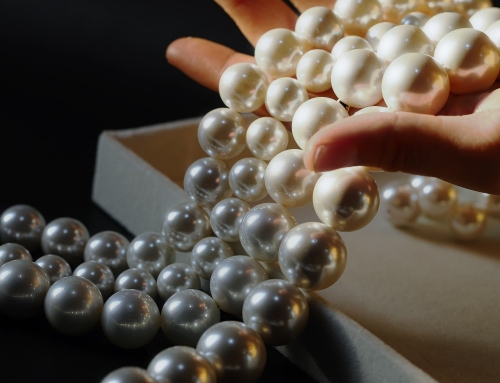
Freshwater pearls, as the name implies, are pearls formed in freshwater sources such as rivers, lakes, and ponds. Unlike saltwater pearls, which are formed in oysters that live in the ocean, freshwater pearls are formed in mussels that live in freshwater. So how are pearls made? The process begins when a foreign object, such as a grain of sand or a parasite, enters the soft tissue of the oyster. In response to this irritant, the oyster secretes nacre, a substance composed of calcium carbonate. Layer upon layer of mother-of-pearl is deposited around the foreign object, gradually forming a pearl.
A freshwater pearl takes longer to form than a saltwater pearl. Freshwater oysters are capable of producing multiple pearls at once, with some oysters producing up to 30 pearls in one shell. This ability to produce multiple pearls is due to the fact that freshwater oysters have a thicker mantle compared to saltwater oysters. The thicker mantle tissue allows for more nacre deposition and thus the formation of multiple pearls.
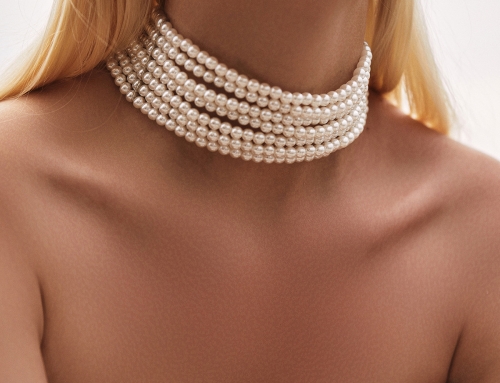
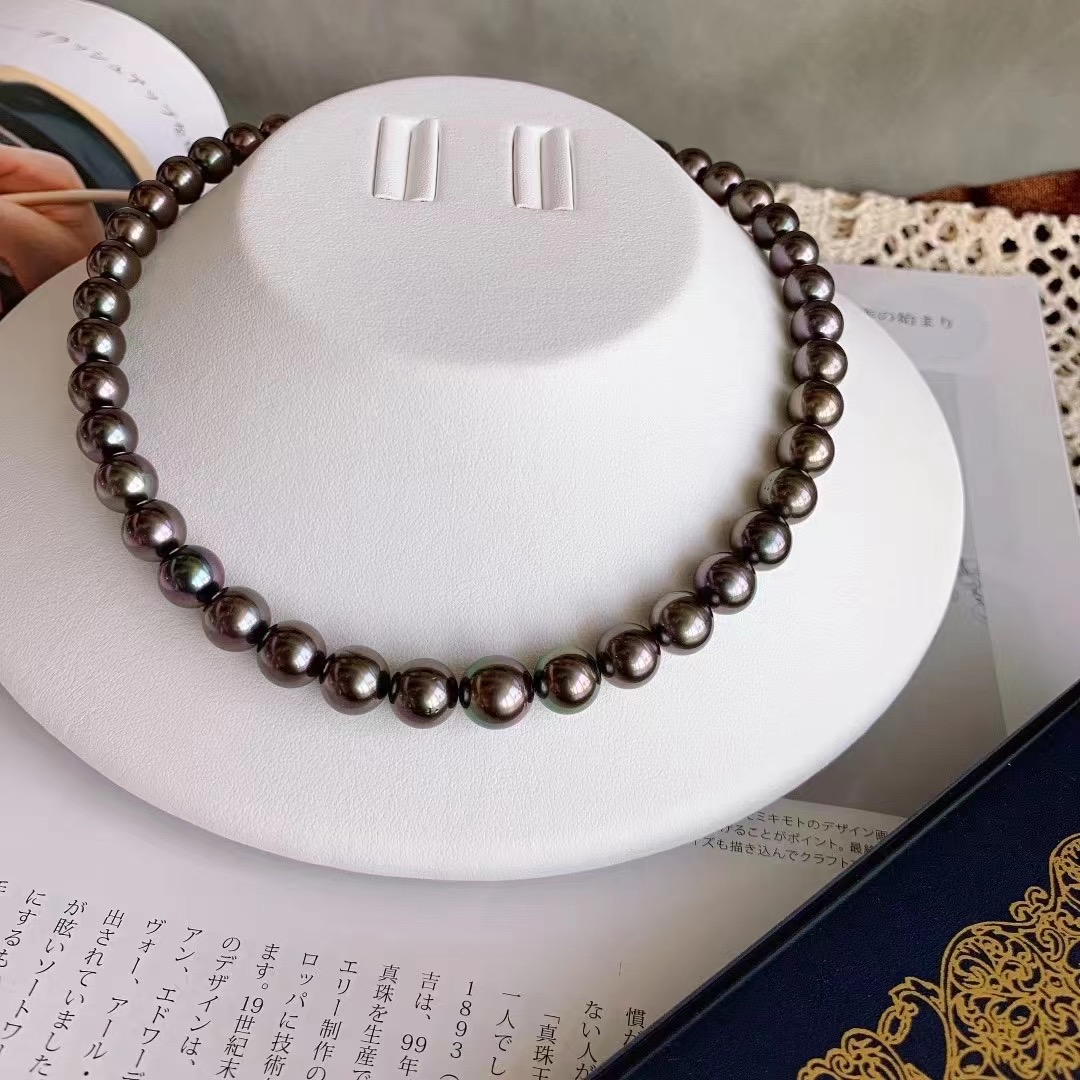
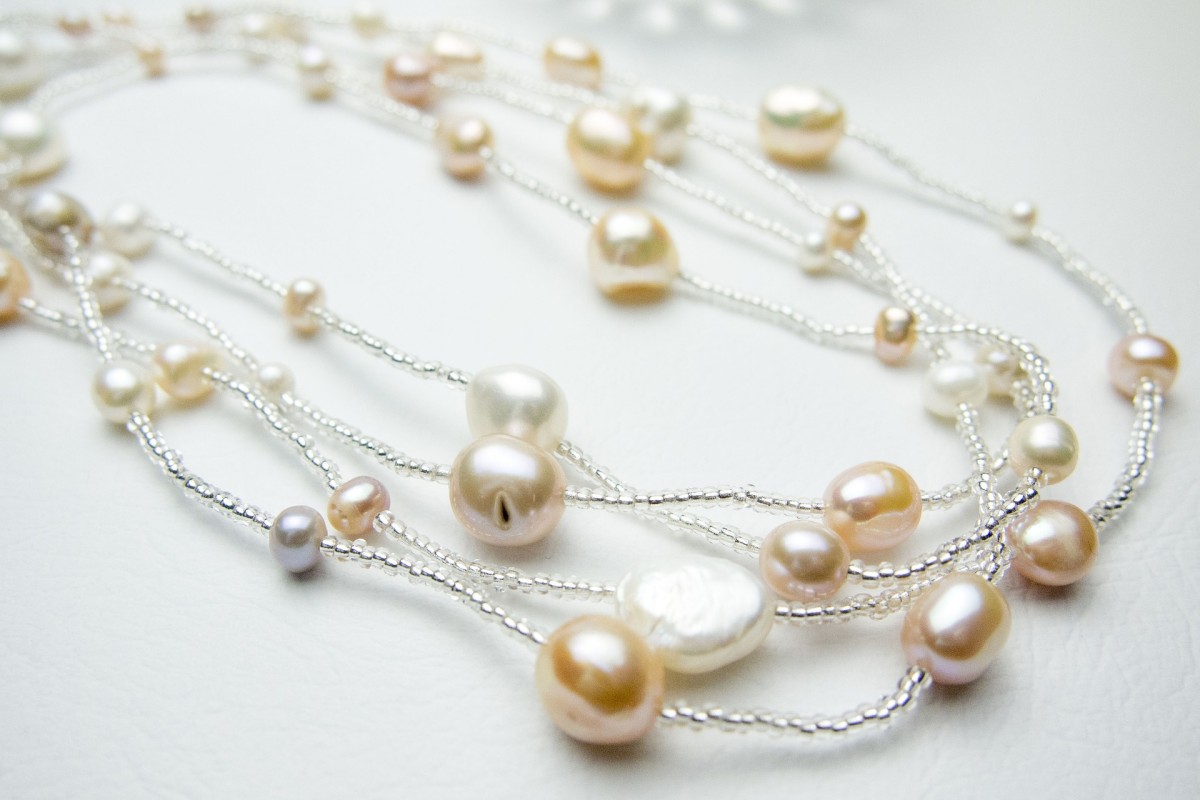
Freshwater pearls come in a variety of colors, shapes and sizes. Unlike saltwater pearls, which are usually round and uniform in shape, freshwater pearls can be baroque (irregularly shaped) or button-shaped. Their colors range from white and cream to pink, lavender, and even black. This wide variety of colors and shapes makes freshwater pearls highly sought after by jewelry designers and collectors alike.
China is the world’s largest producer of freshwater pearls. The country has a long history of pearl farming and has developed advanced techniques for cultivating freshwater pearls. The pearl farming process involves carefully placing small pieces of mantle tissue from a donor oyster into the host oyster. This technique, known as tissue nucleation, stimulates pearl production in the host oyster. The oysters are then placed in freshwater where they grow and produce pearls for several years before being harvested.
In addition to China, other countries such as Japan and the United States also cultivate freshwater pearls. In Japan, Lake Biwa has historically been known for its production of high-quality freshwater pearls. However, due to pollution and overharvesting, the production of Biwa pearls has declined significantly. Today, most of Japan’s freshwater pearl production takes place in other regions, such as Lake Kasumigaura. In the United States, freshwater pearl farming is concentrated in states such as Tennessee and Mississippi.
In summary, freshwater pearls come from mollusks that live in freshwater bodies such as rivers and lakes. These pearls are formed through a natural process where the mussel secretes layers of nacre around a foreign object in its soft tissue. Freshwater pearls are known for their variety of colors and shapes, making them highly desirable in the jewelry industry. China is the world’s largest producer of freshwater pearls, followed by Japan and the United States. Despite their differences from saltwater pearls, freshwater pearls have their own unique beauty and value in the jewelry world.
Read related articles :
Where do Edison pearls come from ?
Where do Akoya Pearls Come From