
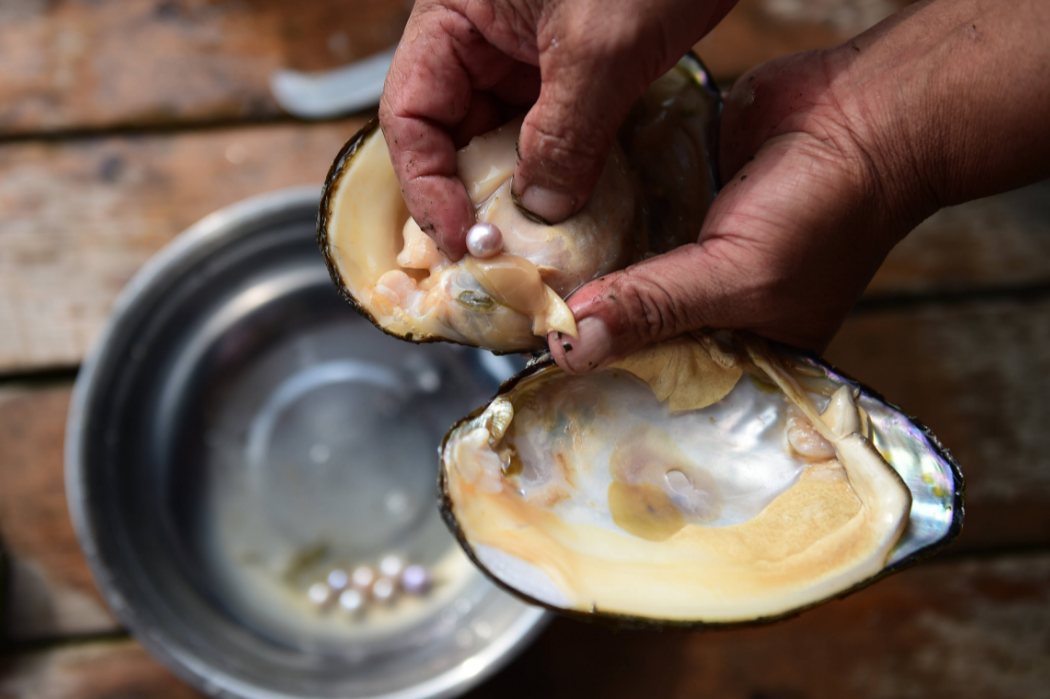
Pearls, one of nature's most exquisite treasures, are produced by oysters through a fascinating biological process. The formation of a pearl begins when an irritant, such as a grain of sand or a parasite, enters the oyster's shell. To protect itself from the foreign substance, the oyster secretes layers of nacre,
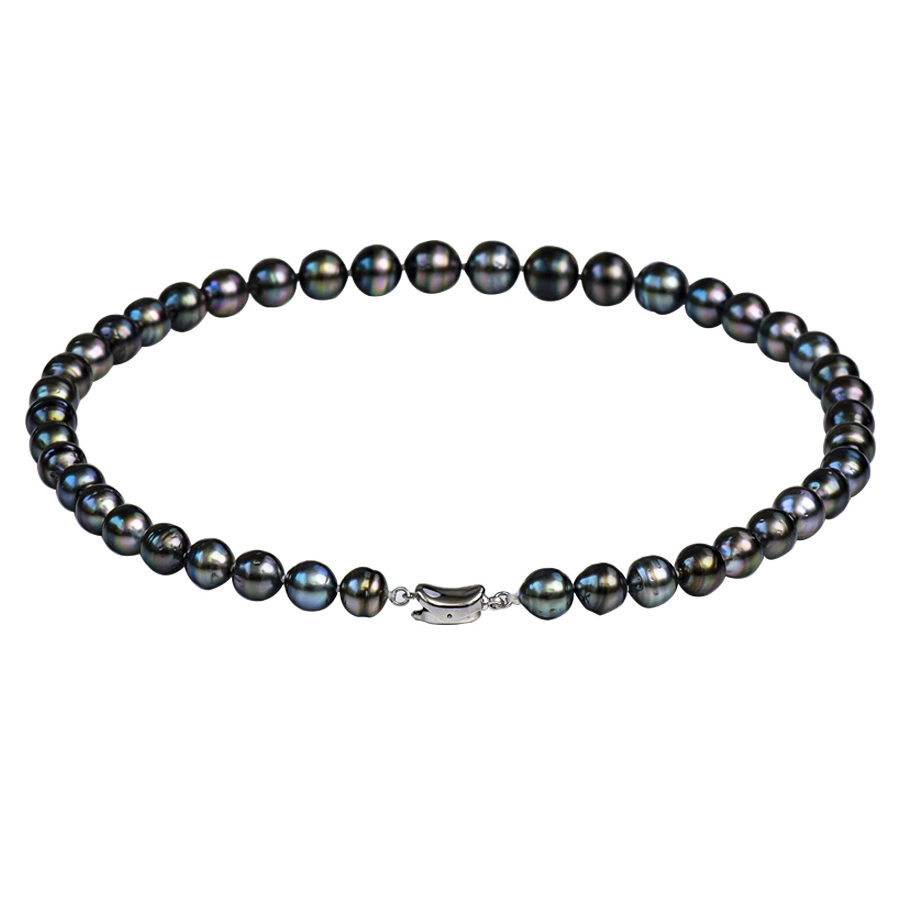
Determining the authenticity of a pearl necklace requires a combination of keen observation, tactile assessment, and sometimes professional evaluation. Genuine pearls, whether natural or cultured, have unique characteristics that distinguish them from their synthetic counterparts.
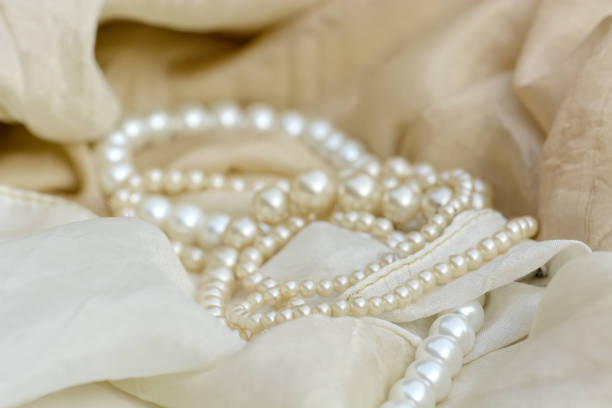
A pearl necklace is a timeless piece of jewelry that has been treasured across cultures and eras for its elegance and understated beauty. The term "pearl necklace" refers to a string of pearls, often of the same size, meticulously arranged
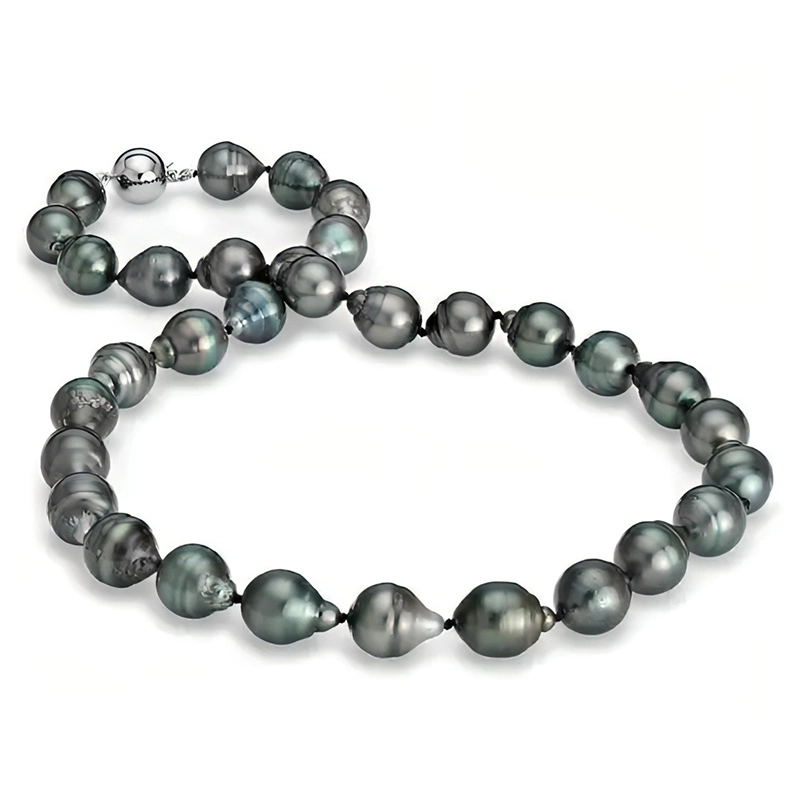
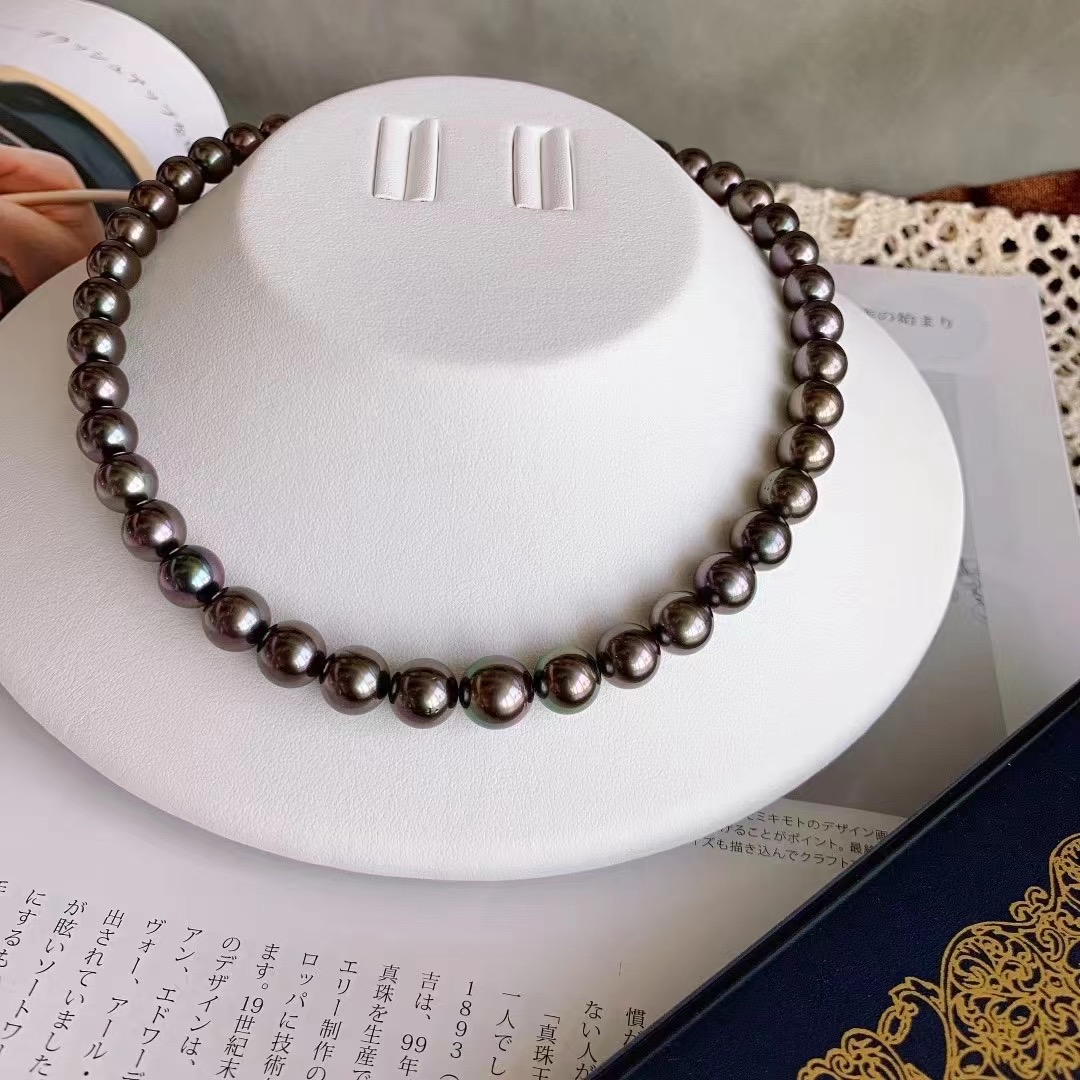
In recent years, the trend of men wearing pearl necklaces has gained significant traction, reflecting evolving perspectives on fashion and gender norms. Historically, pearls have been symbols of wealth, power and sophistication, often adorning the necks of royalty and aristocracy.Tahitian pearls
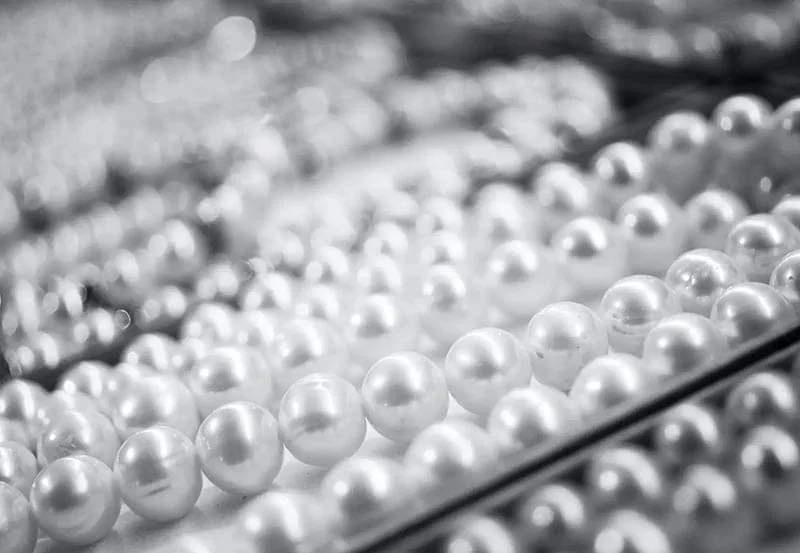
Authenticating a pearl necklace is essential to ensuring its value, quality and authenticity. Whether you have inherited a family heirloom or purchased a new piece
-
These pearls are named after Thomas Edison, the famous inventor, because of their unique farming method. Unlike traditional pearls, which are cultured in saltwater oysters, Edison pearls are cultured in freshwater oysters.
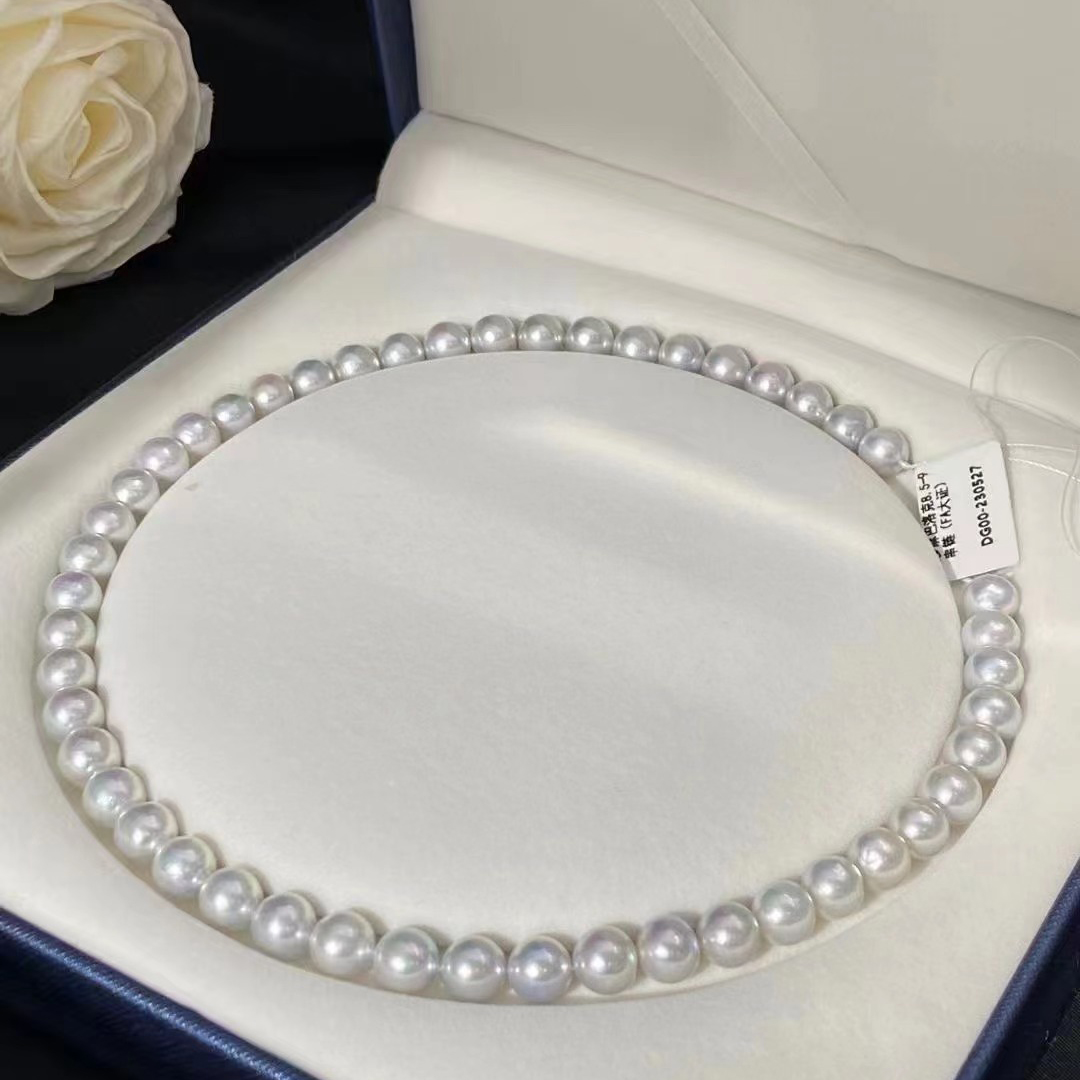
Australia is famous for its production of South Sea pearls. The country's pristine waters provide an ideal environment for pearl farming. Australia's most famous pearl farming regions are located along the northern coast,

The process of cultivating Tahitian pearls begins with the introduction of a small nucleus into the oyster. This nucleus serves as an irritant that triggers the oyster's natural defense mechanism. In response to this irritant, the oyster secretes layers of nacre, the substance that gives pearls their lustrous appearance.
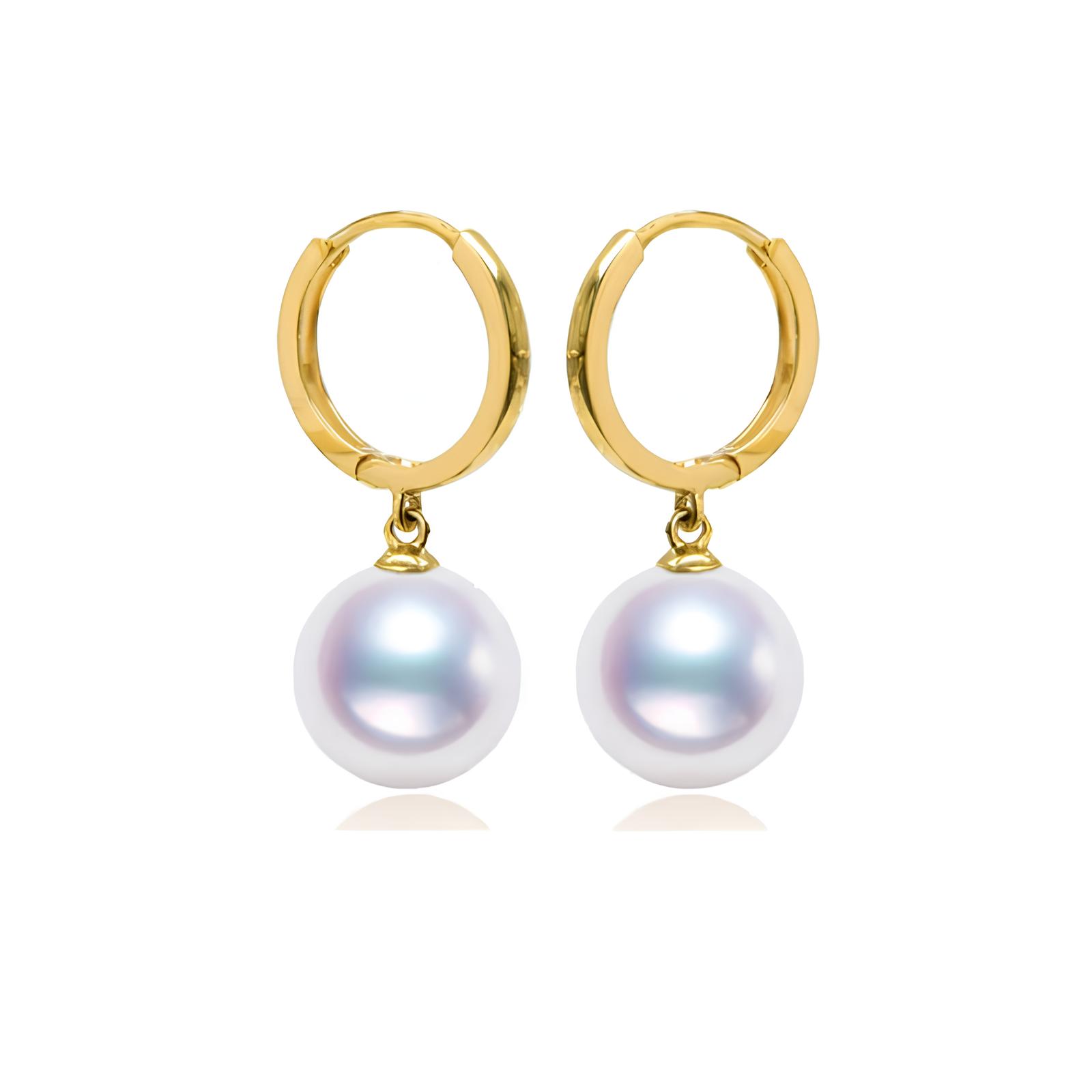
Akoya pearls are cultivated primarily in Japan, specifically in the coastal waters of the Sea of Japan. The cultivation process involves carefully inserting a small piece of mantle tissue from a living oyster into the gonad of a host Akoya oyster.
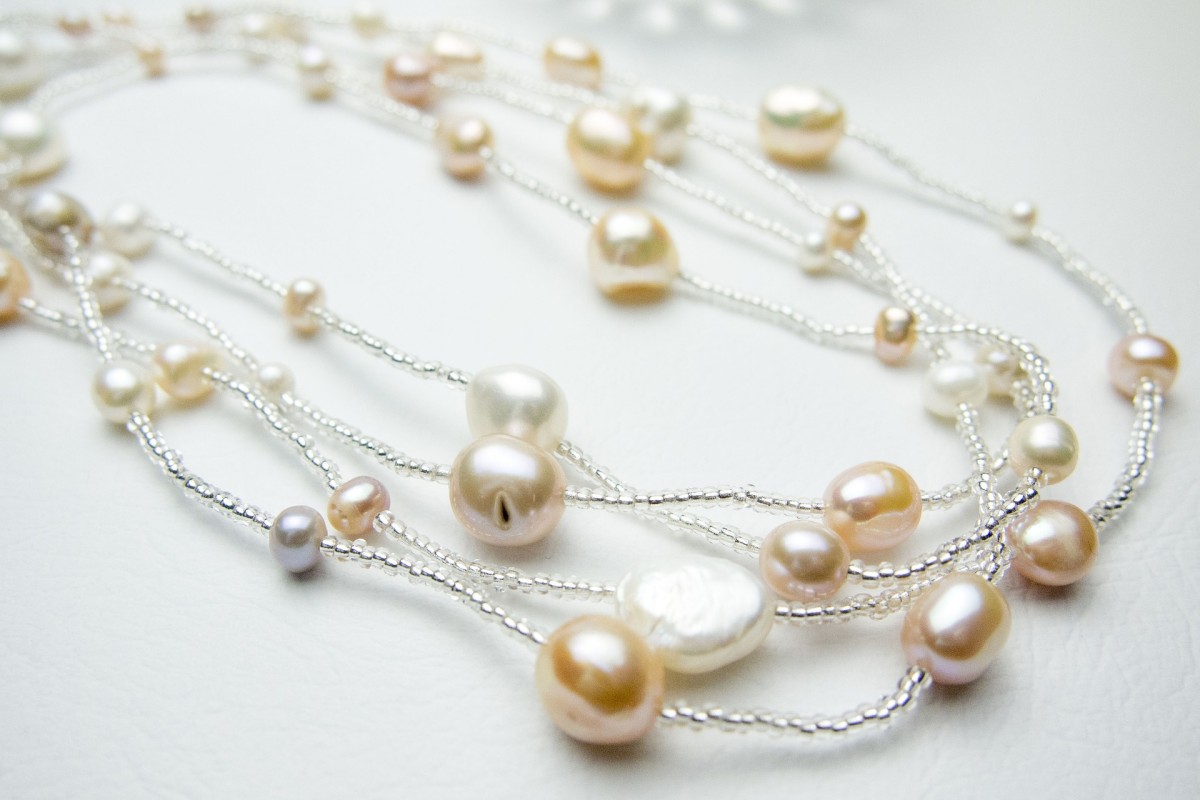
Freshwater pearls, as the name implies, are pearls formed in freshwater sources such as rivers, lakes, and ponds. Unlike saltwater pearls, which are formed in oysters that live in the ocean, freshwater pearls are formed in mussels that live in freshwater.
Products
-
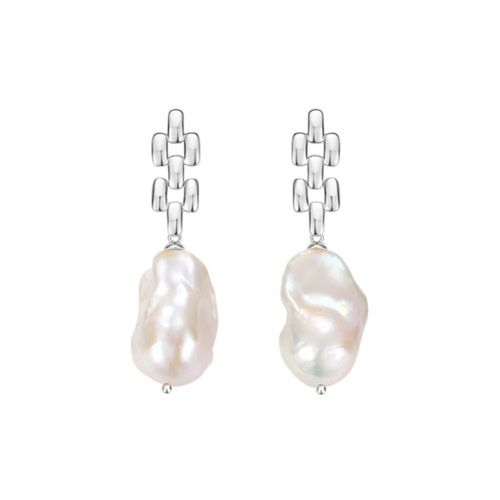 Women Baroque Pearl Pendant Earrings
$189.95
Women Baroque Pearl Pendant Earrings
$189.95
-
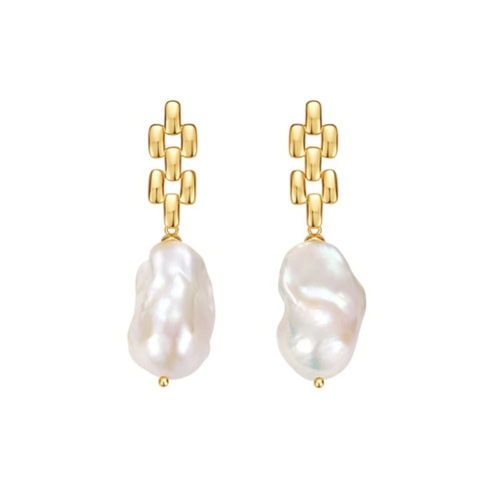 Baroque Pearl Pendant Earrings
$189.95
Baroque Pearl Pendant Earrings
$189.95
-
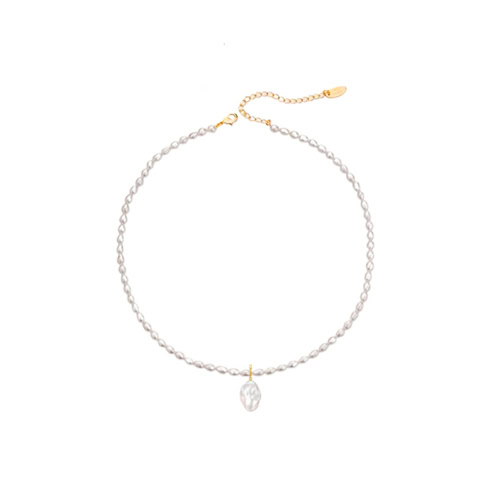 Baroque Pearl Pendant Necklace
$299.00
Baroque Pearl Pendant Necklace
$299.00
-
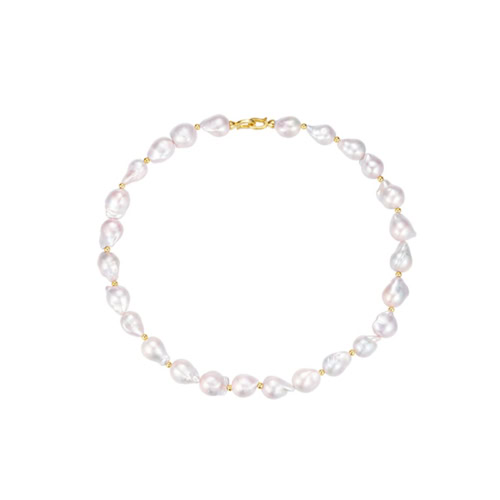 Women Baroque Pearl Necklace
Price range: $699.00 through $829.00
Women Baroque Pearl Necklace
Price range: $699.00 through $829.00
-
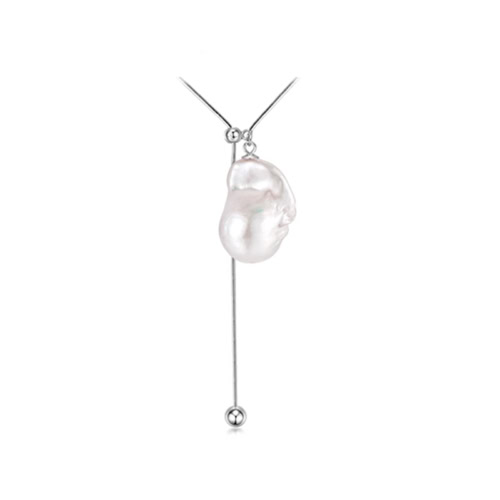 White Pearl Long Necklace for Sweater & Dress
$229.90
White Pearl Long Necklace for Sweater & Dress
$229.90



Recent Comments